
August 21, 2026
The Sanlorenzo SP110: Three Engines and a Room With Height
Sanlorenzo's first open coupé: 108'3", three MAN V12s on hydrojets for a published 39 knots, and a multi-level interior Piero Lissoni built …
Read the articleExpert Review, Technical Specifications & Market Analysis
| Feature | Specifications |
|---|---|
| Overall Length | 108' 3" (33 m) |
| Beam | 26' 11" (8.2 m) |
| Engines | 3 × MAN V12, 2,000 HP each |
| Fuel Capacity | 3,170 US gal (12,000 L) |
| Water Capacity | 489 US gal (1,850 L) |
| Cabins / Heads | 6-8 guests / 5 crew |
| Max Speed | 39 knots |
Source: Spec & Photos courtesy of Sanlorenzo. Specs verified by Tony Smith, USCG 100 Ton Master, on August 20, 2026.
Part of the Sanlorenzo SP series — see how owners step up through the lineup.

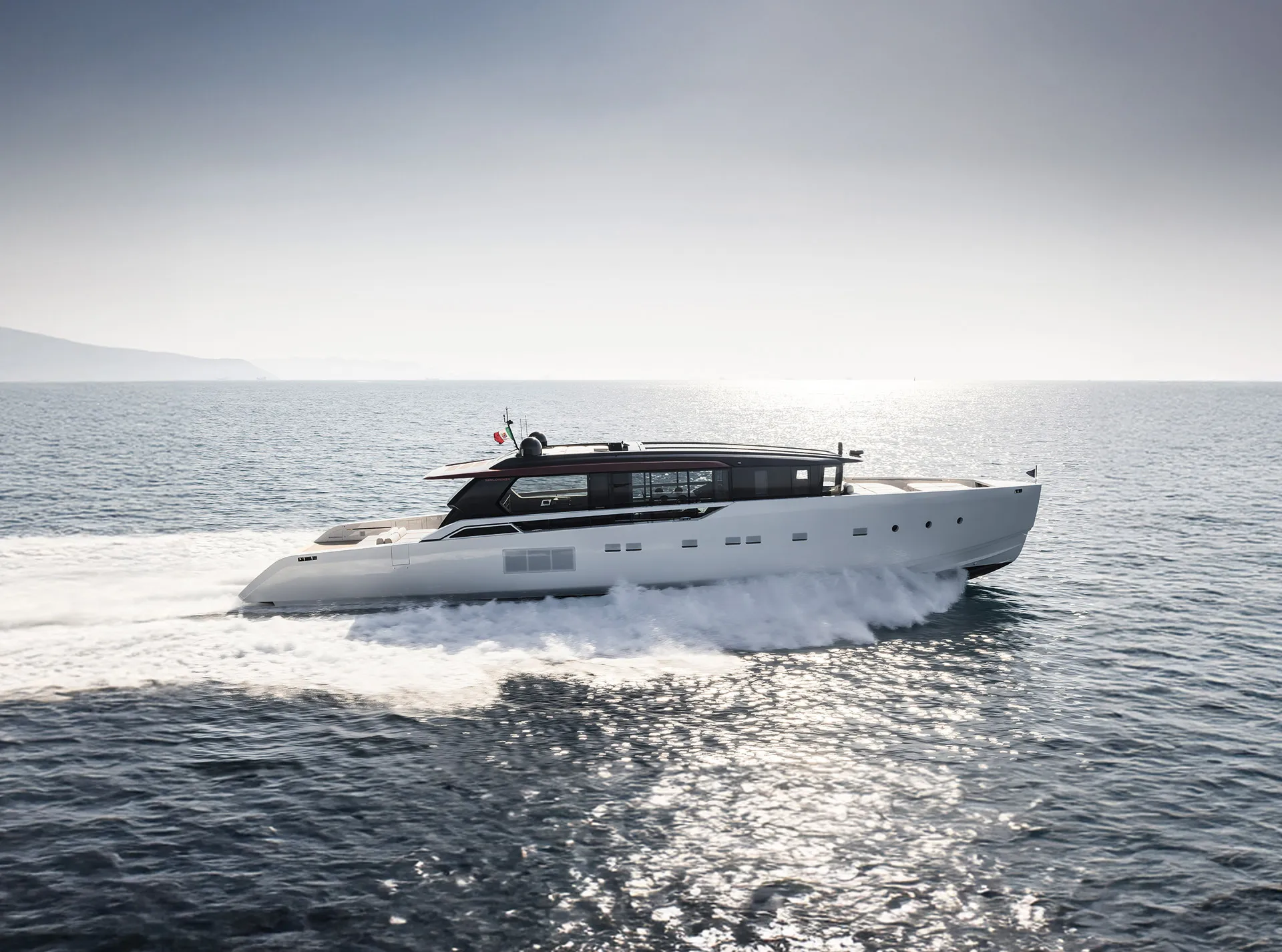
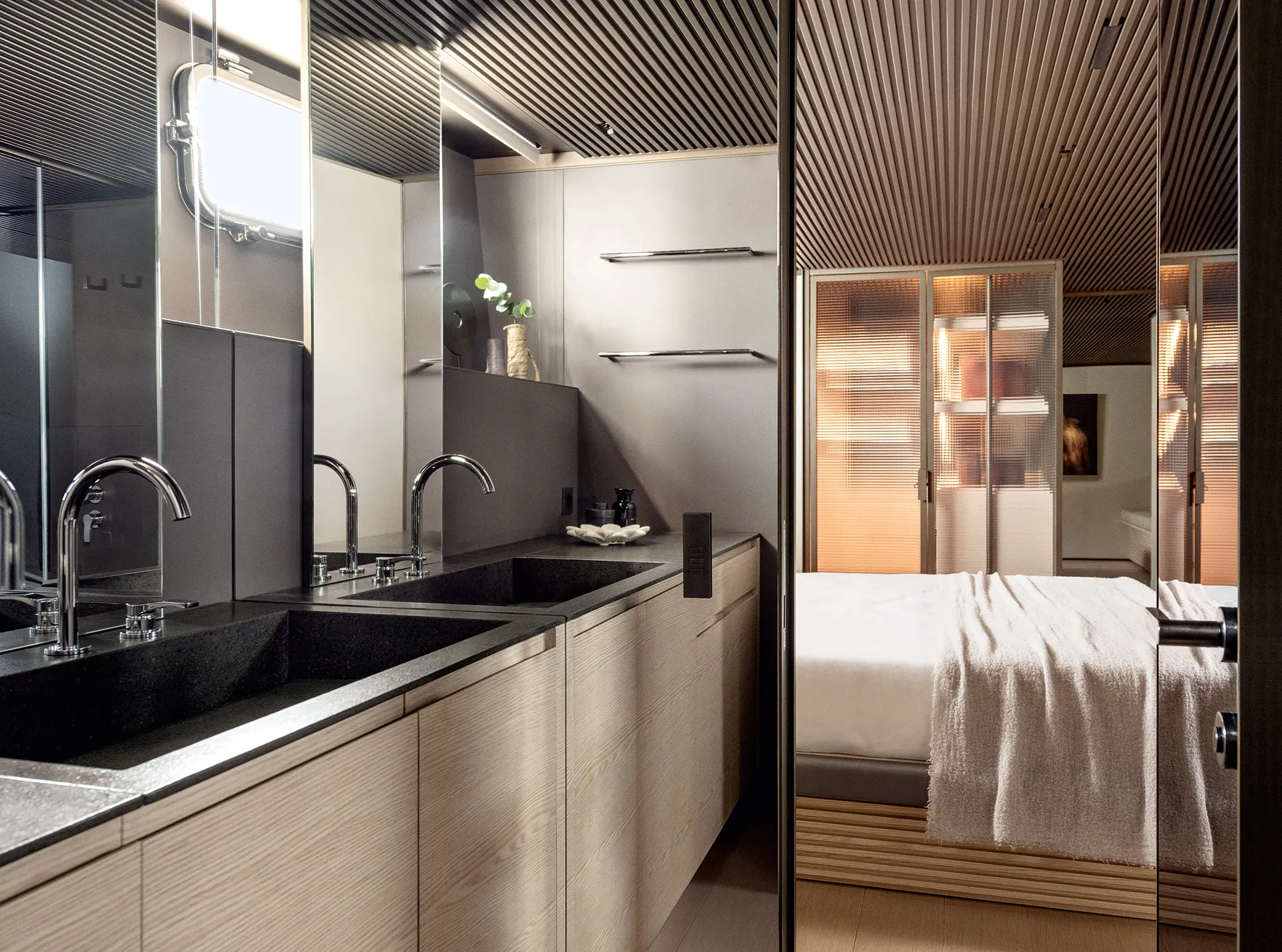
The SP110 is Sanlorenzo's first open, and the yard picked a good moment to build one. Three MAN V12s at 2,000 horsepower apiece, hydrojets rather than shafts, and a published 39 knots on a 33-metre hull — that is a real capability, not a brochure flourish, and it changes what a weekend looks like. What makes it a Sanlorenzo rather than a fast boat with an Italian badge is what sits above the machinery. Piero Lissoni's interior runs vertically as well as horizontally; his own guiding word for it is lightness, and that multi-level volume is why you can sit in this boat all afternoon instead of merely arriving in it.
Here is the figure that should reframe the purchase. The SP92, sixteen feet five inches shorter with two engines instead of three, is published at 40 knots on its upper package — one knot faster than the SP110. So the third MAN is not buying you top speed. It is buying margin below maximum, the ability to hold a speed when the sea has an opinion, 3,500 more litres of fuel and a fifth crew berth. All of that is worth paying for. It is just not what most people think they are paying for, and knowing the difference makes you a better negotiator.
Two cautions. The A and B configurations Sanlorenzo publishes are interior layouts — same hull, same tankage, same engines, same 39 knots — so nobody should be selling you a B-spec performance package, because there isn't one. And the Smart Performance story includes energy recovery, solar panels and batteries. I have seen confident capacity figures for all three attached to this boat, and they belong in the same bucket as every other third-party number: estimates until proven. Have the array, the batteries and the hotel-load hours written into the build specification, get fuel burn at speed off a sea trial, and make the numbers you end up holding ones you or your surveyor generated.
Video courtesy of Sanlorenzo.
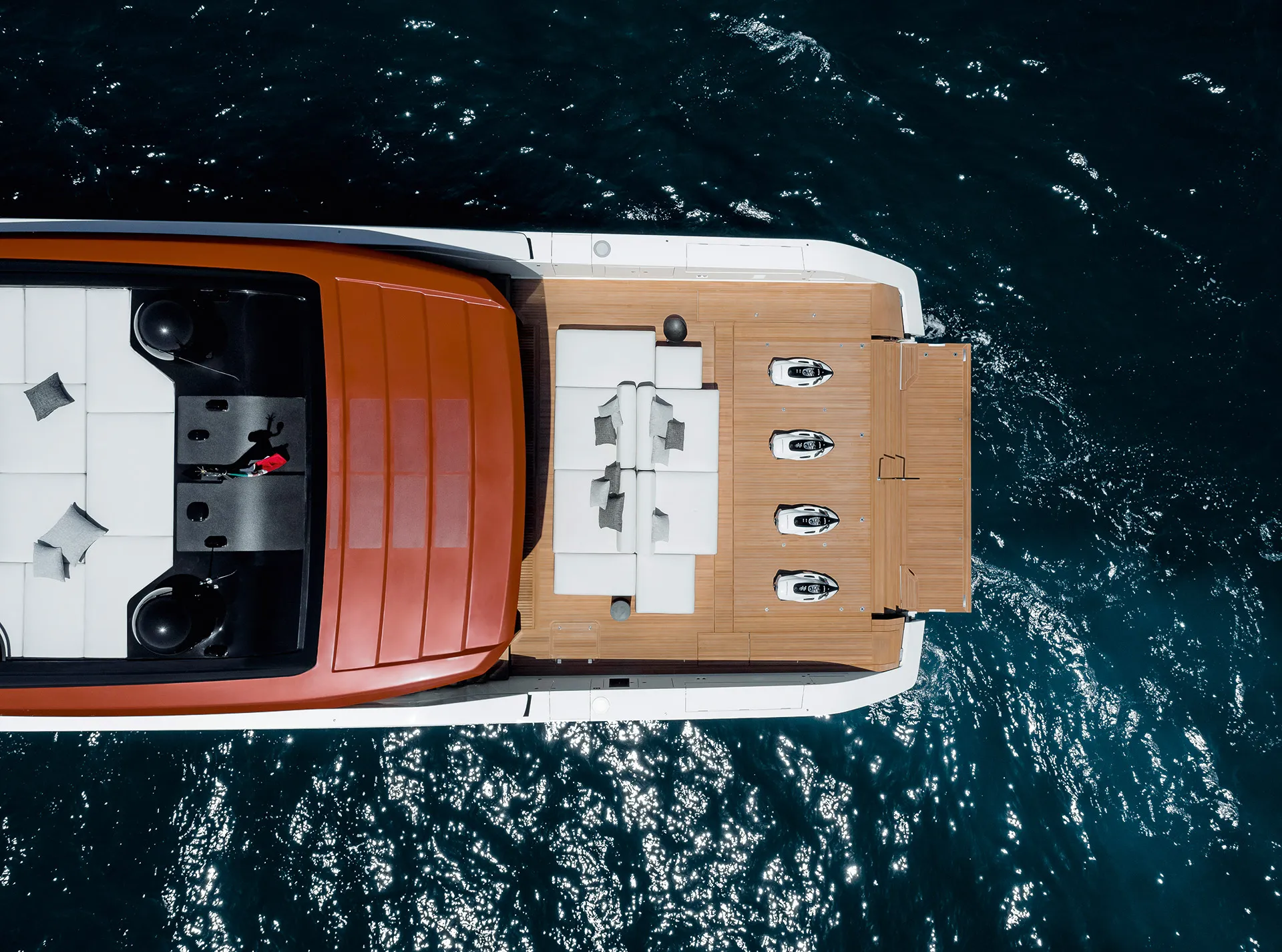
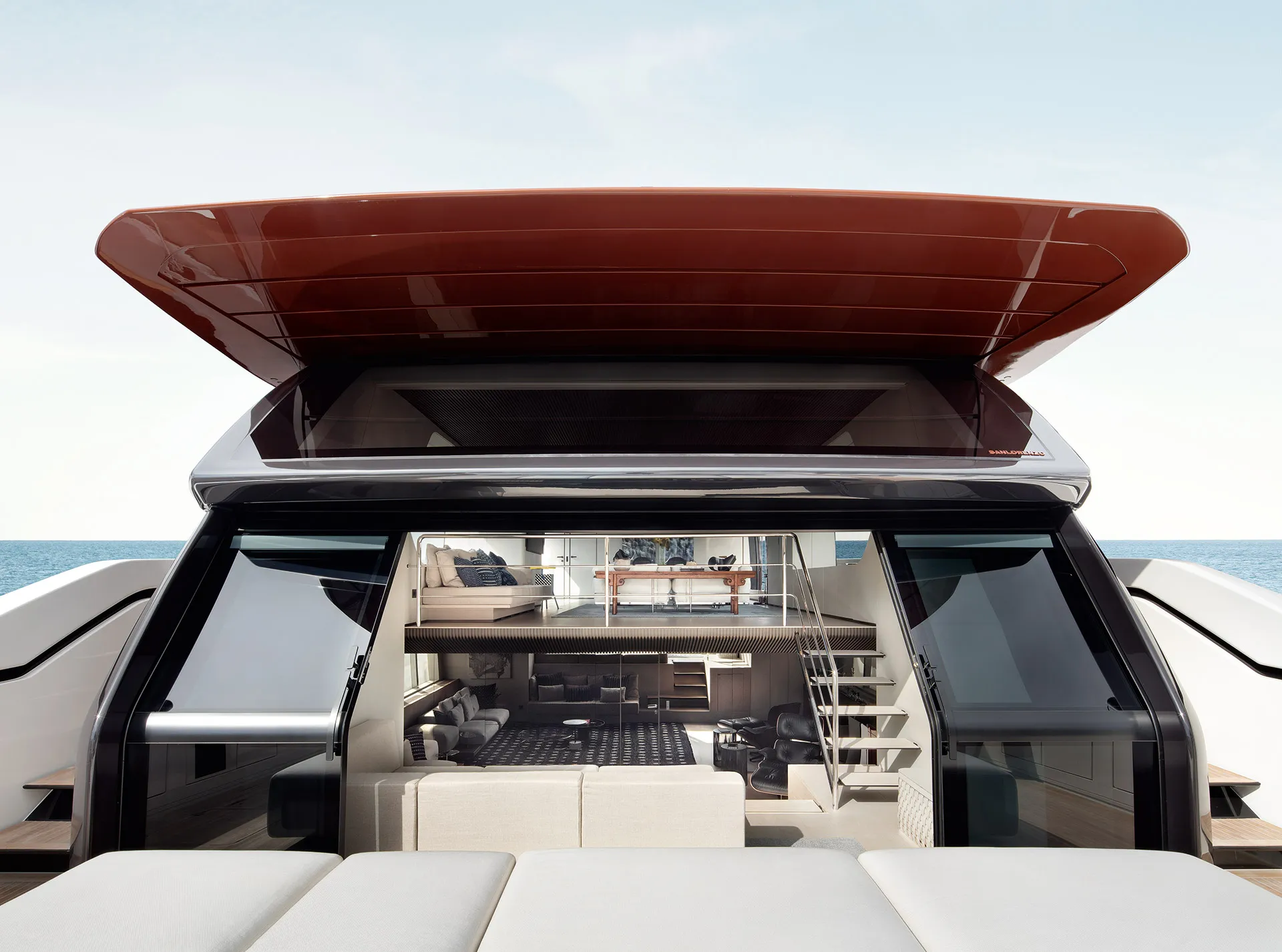
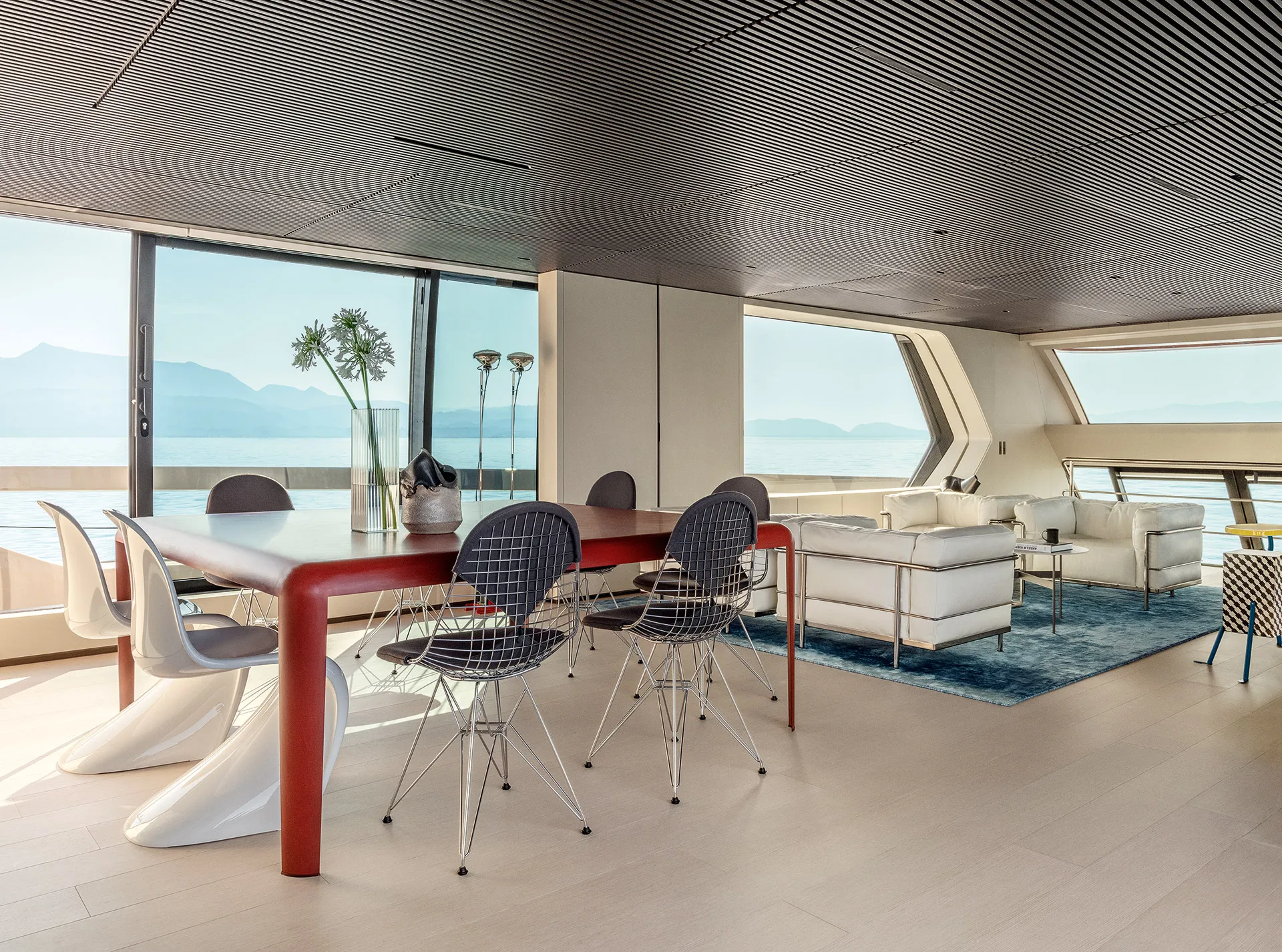
Photos courtesy of Sanlorenzo.
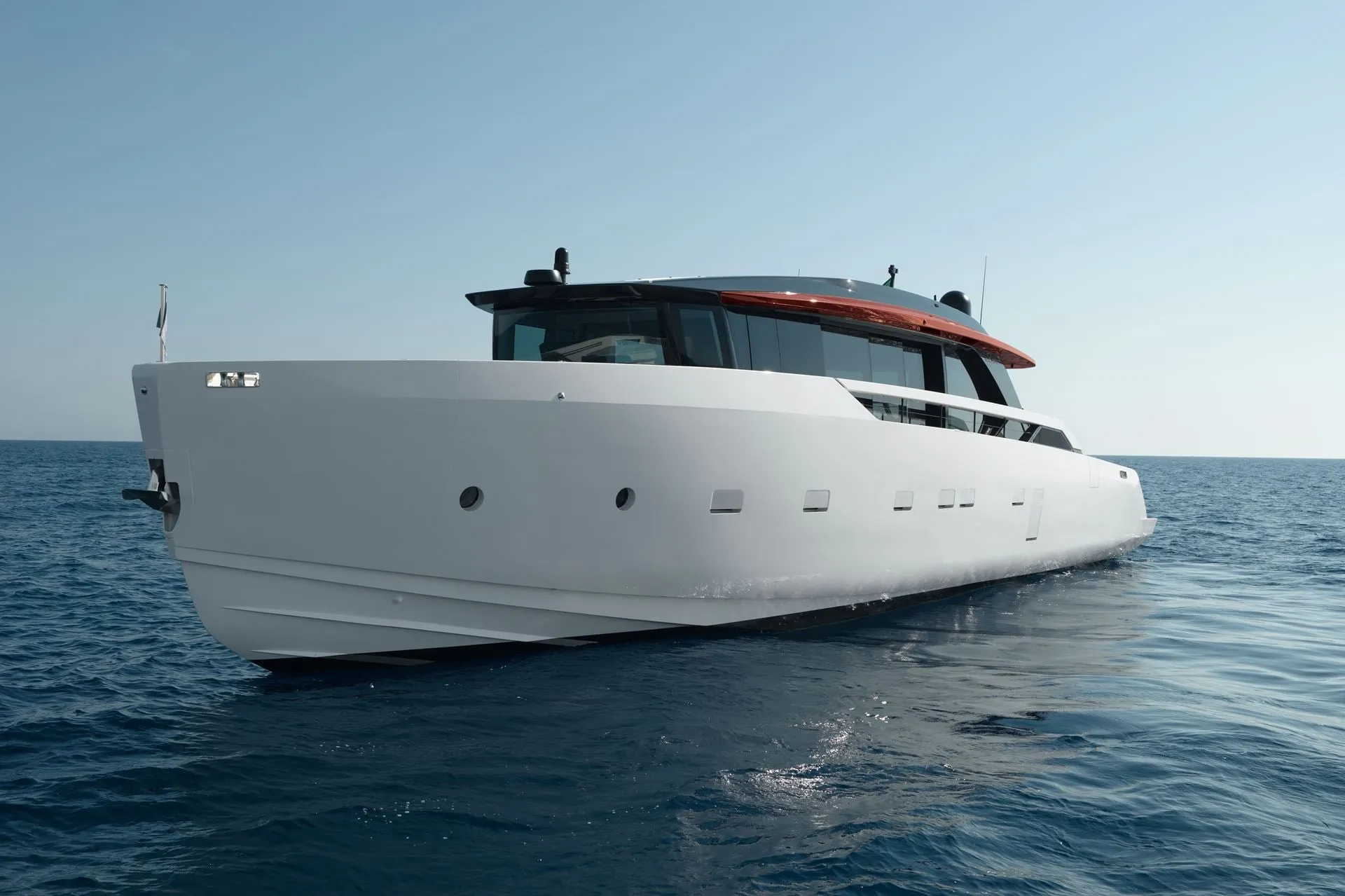
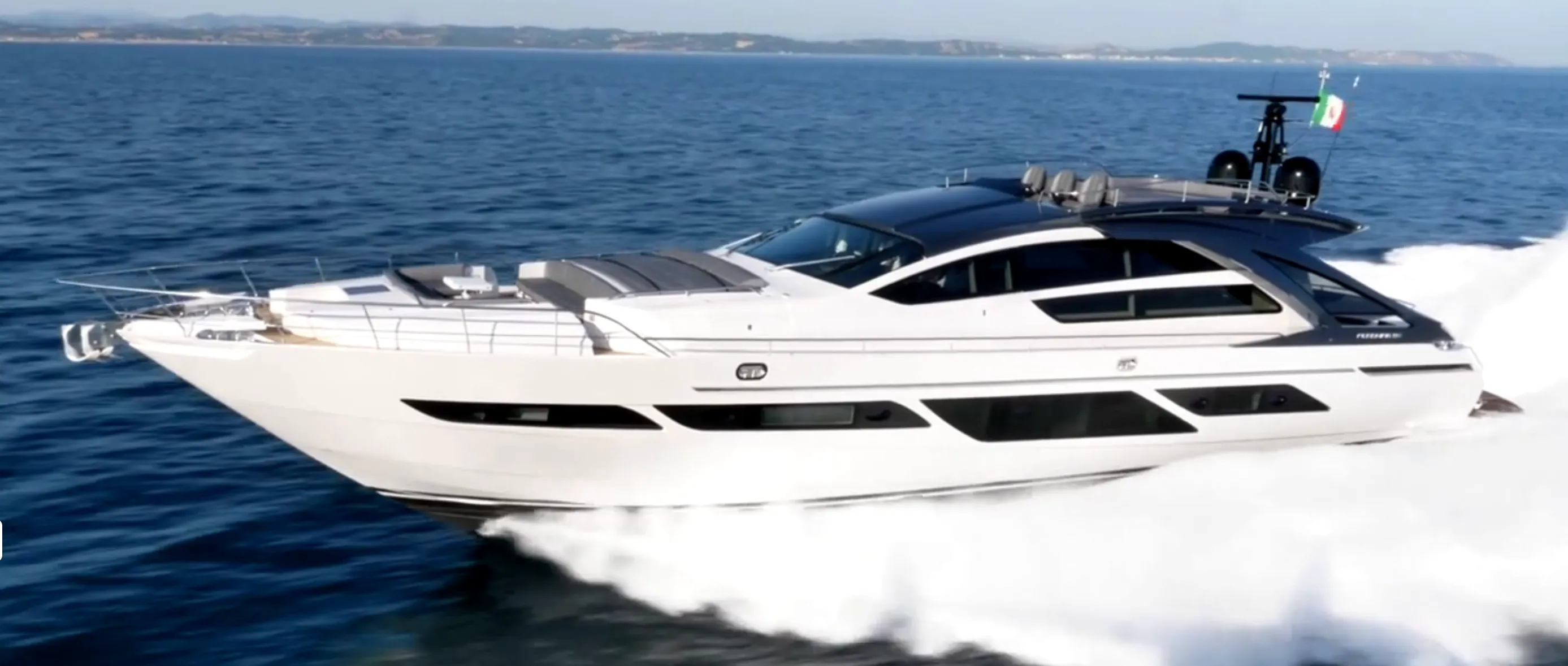
Three MAN V12s at 2,000 hp each — 6,000 hp in total — driving hydrojets rather than propellers, on a deliberately lightweight hull. Thirty-nine knots is Sanlorenzo's published maximum for the model, on a 33-metre (108 feet 3 inches) coupé that the yard calls its first open.
Smart Performance is Sanlorenzo's name for the thinking behind it: weight saved in the structure, waterjets instead of shafts, and energy recovery, solar panels and batteries cutting what the boat consumes when it is not being driven hard. Worth knowing that 39 knots is not the fleet's highest figure — the smaller SP92 publishes 40 knots on its 2,200 hp package.
Six to eight guests, with five crew. Sanlorenzo publishes a range rather than a fixed figure because the SP110's interior is configurable — the yard lists guest and crew numbers instead of cabin counts, so whether a hull ends up at six or eight is settled in its build specification.
Piero Lissoni's interior is arranged over multiple levels and lit through large glazed surfaces, which is what makes that flexibility possible: the volume reads as one connected space rather than a fixed corridor of cabins. Fresh water is 1,850 litres (489 US gallons), which is the practical constraint on how long eight guests stay comfortable between fills. Beam is 8.2 metres (26 feet 11 inches).
Engine count and scale, because it is not a speed decision. The SP110 is 33 metres (108 feet 3 inches) on three MAN V12s at 2,000 hp each for a published 39 knots, with six to eight guests and five crew. The SP92 is 28 metres (91 feet 10 inches) on two MAN V12s, and publishes 38 knots at 2,000 hp or 40 knots at 2,200 — so the smaller boat can be the faster one on paper.
Both are waterjet-driven. What the SP110 adds is five metres of length, a third engine, a fifth crew berth and a multi-level interior the shorter hull cannot carry. If you want the SP idea at its most manageable, the SP92 is it. If you want the volume and the three-engine installation, that is only the SP110.
Build it from the tank and a sea trial. The SP110 carries 12,000 litres (3,170 US gallons) of fuel and 1,850 litres (489 US gallons) of fresh water, with a published maximum of 39 knots on a 33-metre (108 feet 3 inches) hull — and at 6,000 hp across three MAN V12s on waterjets, fuel burn changes steeply with speed, so no single distance figure would hold.
The sea trial report for a specific hull records observed burn at each throttle setting. Divide the tank by the burn at the speed you intend to hold, deduct a proper reserve, and you have a range you can defend.