
April 12, 2026
The Pershing GTX90: When 35 Knots Feels Like Freedom
With 4,400 hp and twin MAN V12s delivering a 30-knot cruise (35-knot top), the 92-ft Pershing GTX90 turns time into freedom—an owner-focused…
Read the articleExpert Review, Technical Specifications & Market Analysis
| Feature | Specifications |
|---|---|
| Overall Length | 91' 9" |
| Beam | 22' 7" |
| Engines | 2 x MAN V12 2200 (2,200 hp each) — Castoldi TurboDrive 600 HCT waterjets |
| Cabins / Heads | 4 Cabins + 2 Crew / 4 Heads + 2 Crew |
| Max Speed | 35 knots |
| Cruise Speed | 30 knots |
Source: Spec & Photos courtesy of Pershing Yachts. Specs verified by Tony Smith, USCG 100 Ton Master, on August 10, 2026.
Part of the Pershing Yachts GTX series — see how owners step up through the lineup.

The GTX90 represents Pershing's most mature thinking on the performance cruiser segment. The twin MAN V12 setup is conservative in the best sense. You're getting proven reliability and a global service network instead of chasing the last 3 knots with engines that require specialist attention. The Castoldi waterjets are the right call for this hull form and speed range. Build quality reflects Ferretti Group's investment in the brand over the past decade. This is not the hand-built Italian exotic of 15 years ago. It's a production yacht with tight tolerances and systems that work.
This boat is for the experienced owner who runs 80 to 100 hours annually and covers real distance. If you're doing Bahamas trips, Florida Keys runs, or coastal cruising where weather windows matter, the 30-knot cruise capability changes your planning. It's not for the buyer who wants maximum interior volume or the owner who runs 20 hours per year and parks it at the yacht club. The operating costs don't justify occasional use, and you can get more space for the same money in a slower platform.
Resale on Pershing has improved significantly as the GTX series gained traction. The GTX80 is holding value better than the older 80-foot models, which suggests the market is rewarding the galley-up layout and IPS-friendly design philosophy. Expect the GTX90 to follow that pattern. Maintenance costs are predictable with the MAN engines, but you're still running a 92-foot performance yacht. Budget $100,000 to $150,000 annually for upkeep if you're owner-operated, double that with crew. The buyers who understand that math and still want the boat are the ones who keep them long-term..
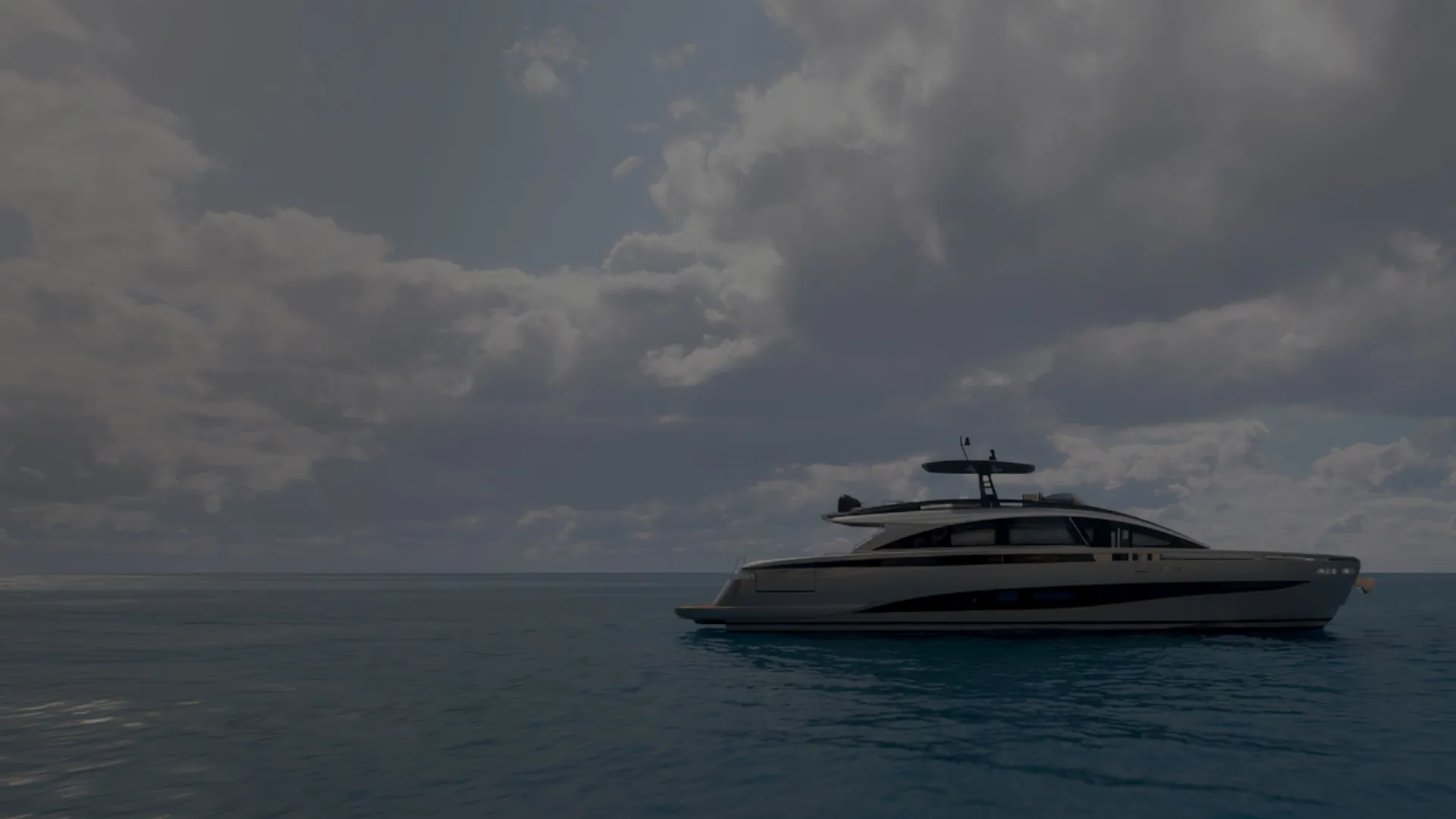
Video courtesy of Pershing Yachts.
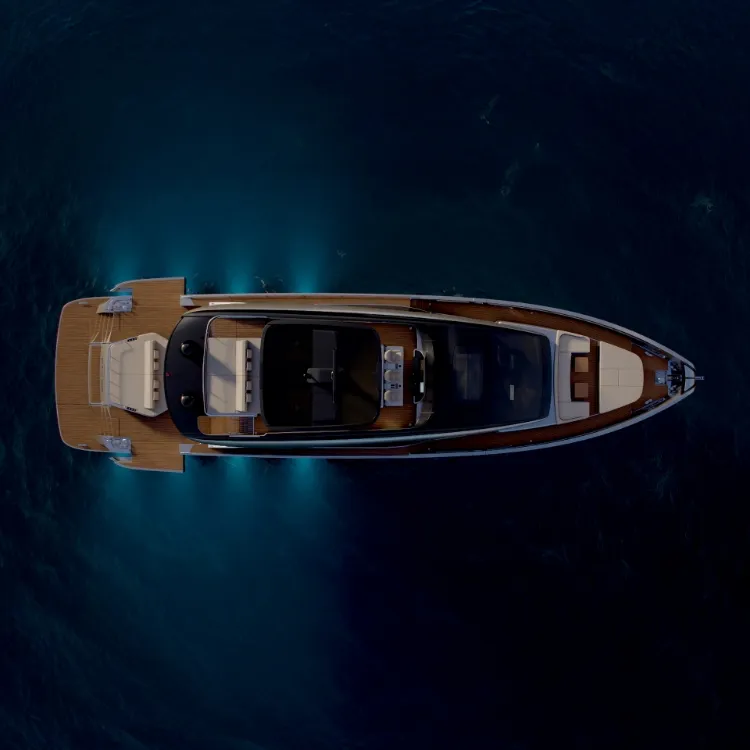
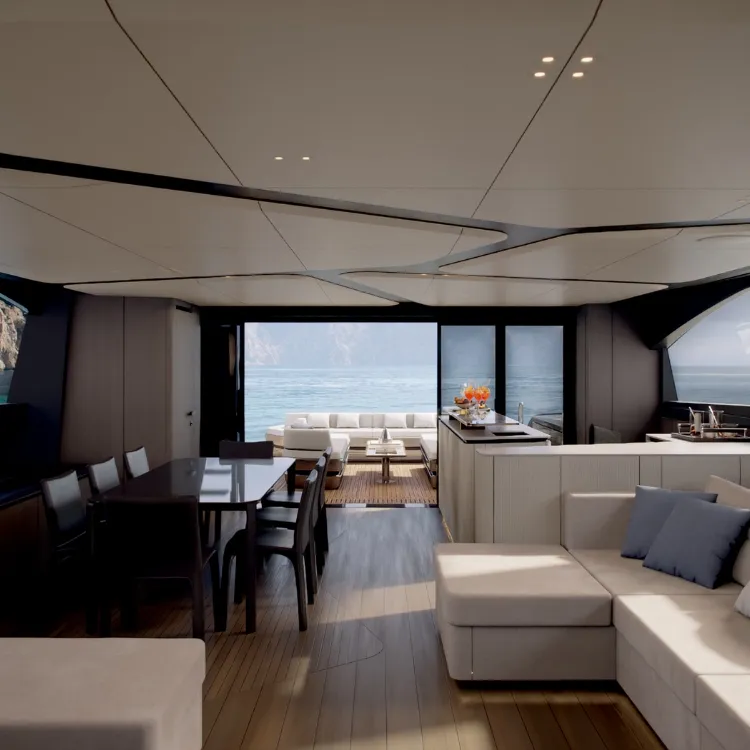
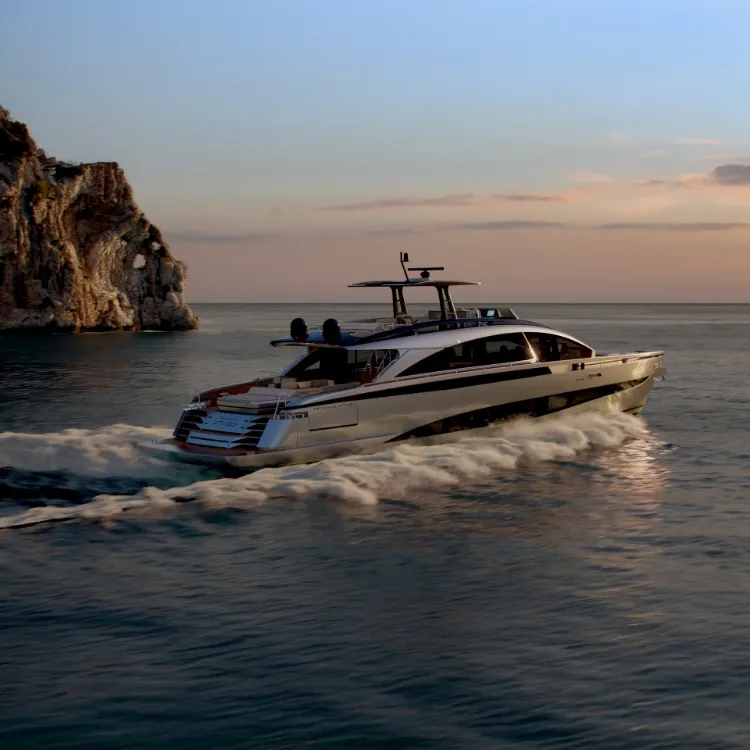
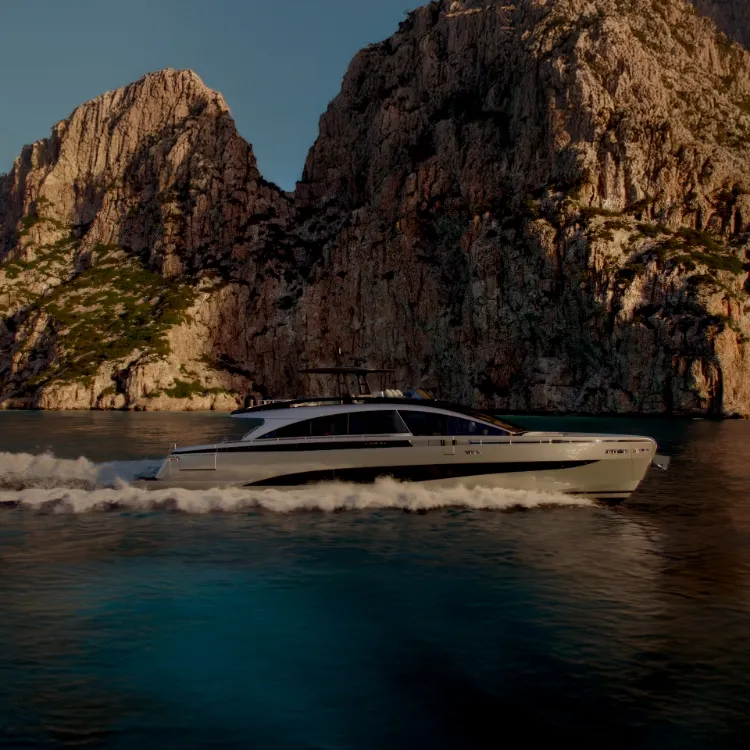
Photos courtesy of Pershing Yachts.
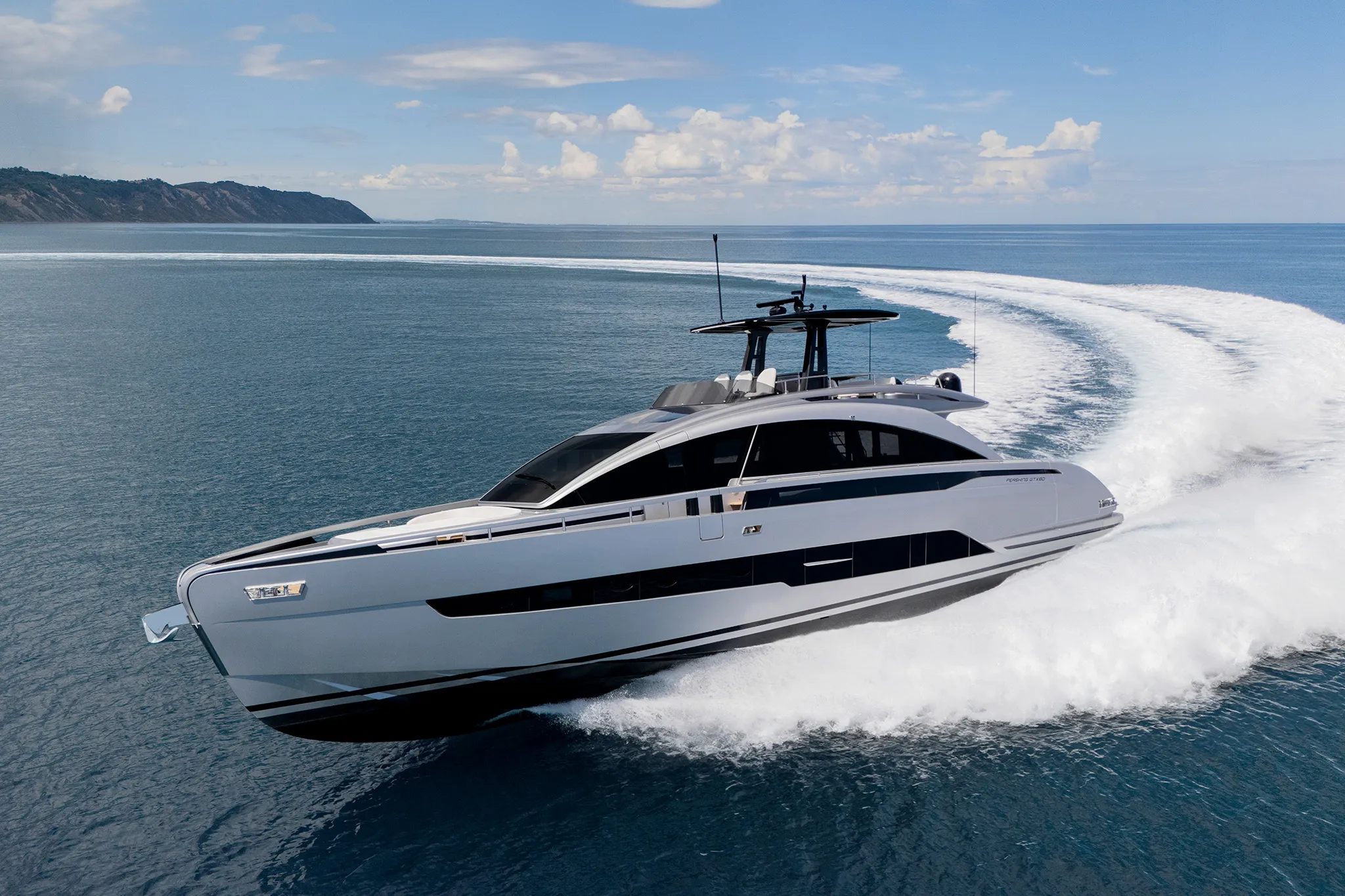
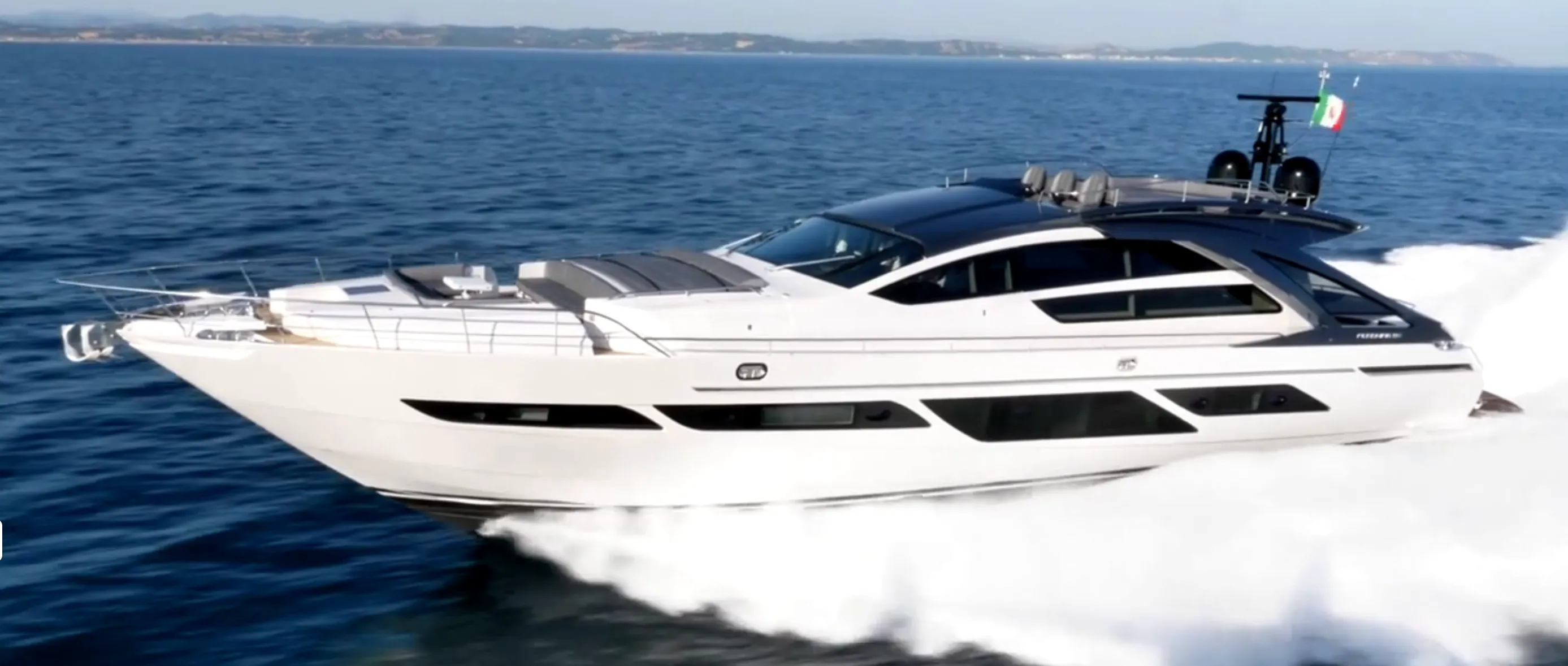
Twin MAN V12 2200 engines at 2,200 hp each, paired with two Castoldi TurboDrive 600 HCT waterjets — a departure from the surface drives that define Pershing's X Generation.
The 2,200 hp rating is the one on Pershing's technical sheet and in both launch announcements; an older "V12 2000" reference still appears in the model page's body copy. Have the engine model and rating written into the build specification of the hull you are offered.
Pershing quotes a 35-knot top speed and a 30-knot cruise, from twin MAN V12 2200 engines at 2,200 hp each driving Castoldi TurboDrive 600 HCT waterjets.
One caveat matters: Pershing labels these figures preliminary data. The first GTX90 hull only launched in July 2026, and the yard has not yet replaced the provisional numbers with delivered ones. We would sea-trial the boat rather than buy on the brochure figure.
Yes — the first GTX90 launched at Fano, Italy in July 2026, and Pershing unveiled the project at boot Düsseldorf in June 2026. It is the newest model in the GTX range.
Because it is this new, Pershing's own technical sheet is still marked preliminary and publishes only length, engine and cabin count. Draft, displacement, fuel and water capacity have not been released, which is why those rows are absent from our specification table rather than estimated.
The GTX90 has four guest cabins with four en-suite heads, plus two double crew cabins with their own bathrooms. Pershing says it accommodates up to eight guests.
The layout puts the full-beam master amidships and the VIP in the bow, with the two remaining guest cabins fitted out one with a double bed and one with twin singles. The crew cabins connect directly to the main galley.