
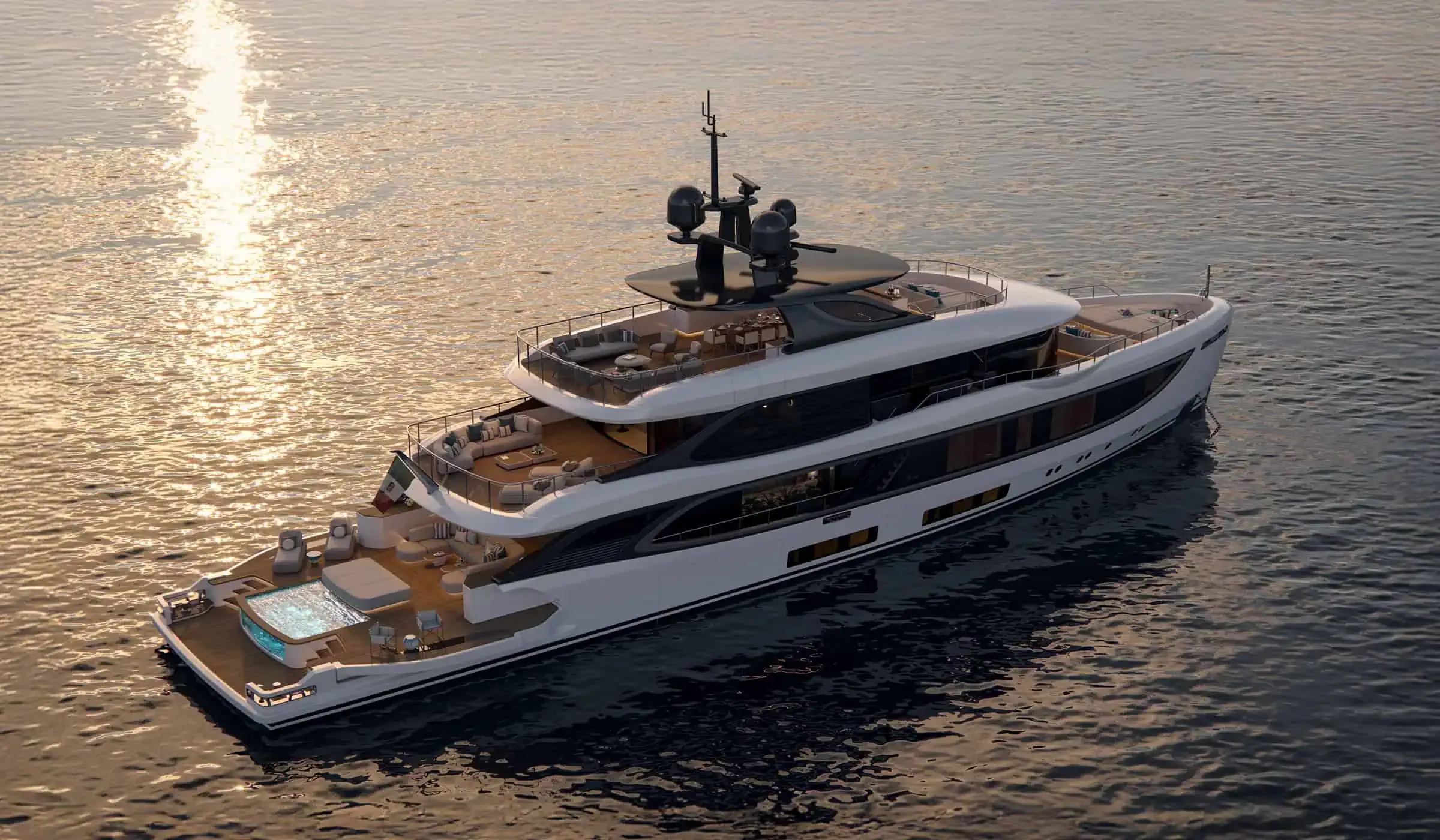
Benetti Oasis 42M139' 5"
View Specs & Review285 feet at one end of the island, and no anchoring at all at the other
Yachting in St Lucia
A Minted Location · St Lucia, The Windwards
If you are looking at St Lucia as a base rather than a stop, the number that decides it is 13 ft (3.9 m) — the maximum draft IGY publishes for Rodney Bay Marina. Everything else about the market is generous. That one figure is the gate.
Rodney Bay publishes its whole specification, and it is a big marina by any reading of it. Its own page states "253 Total Berths" and "32 Megayacht Berths", "Max Length: 285' (86.8m)", "Max Beam: 60' (18.3m)" and "Max Draft: 13' (3.9m)". Thirty-two megayacht berths is not a token big-boat pier at the end of a dock — it is a fleet's worth, and it exists because this is where the Atlantic crossing lands. SLASPA, the government's own ports authority, publishes that the marina hosts the transatlantic rally arrival annually in December.
Because boats arrive here having just crossed an ocean, the shore side is built for it. A "High-Speed Fuel Dock", power from 30 amp up to "480v 100 amp 3P", provisioning, laundry, waste disposal, and — the part that matters at 03:00 on a landfall — the Immigration Department on site at the marina.
And forty miles south, the same island runs the opposite rule. In the Soufriere Marine Management Area, which takes in the Pitons, the authority's own words are "Anchoring is not allowed in the SMMA, thus moorings have been provided for visiting yachts." There are five yacht mooring areas and "approximately 60 mooring systems", and using one requires a Coral Conservation Permit priced in three length classes. At the Pitons the depth is irrelevant — it is thousands of feet deep right up to the rock. The rule is what decides where you lie, not the sounder.
So treat St Lucia as two markets on one island: a deep, well-served, well-lit landfall in the north, and a permit-governed marine park in the south. Plan the first around your draft and the second around the ranger.
Where to keep a yacht in St Lucia
IGY's Rodney Bay Marina is the market's benchmark, and it publishes the whole specification.
| Berths | "253 Total Berths" · "32 Megayacht Berths" |
| Maximum length | "Max Length: 285' (86.8m)" |
| Maximum beam | "Max Beam: 60' (18.3m)" |
| Maximum draft | "Max Draft: 13' (3.9m)" |
| Power | "30 amp, 50 amp" · "100 amp SP, 100 amp 3P" · "480v 100 amp 3P" · "YPI Hardwire" |
| Fuel | "High-Speed Fuel Dock" |
| VHF | Channel 16 |
| Office | Mon–Fri 08:00–17:00 · Sat–Sun 08:00–16:00 |
| Clearance | Immigration Department on site at the marina |
| Rates | On request — hail VHF 16 or call the office |
| Also | Provisioning · laundry · waste disposal · transport · WiFi · private showers |
Sixty feet of beam is the quiet headline — it takes any production catamaran built and most trimarans. Thirteen feet of draft is the constraint that will actually stop someone: a 130-foot displacement motor yacht drawing fourteen does not fit a berth rated 285 feet. Check the draft before the length, every time.
The operator publishes a warning worth taking literally: "Advanced reservations are strongly recommended at Rodney Bay Marina. We cannot guarantee available berthing for guests arriving without a confirmed reservation." In a marina that receives an ocean-crossing fleet every December, that is not boilerplate.
Marigot Bay is the deeper berth and the storm answer. Marigot Bay Yacht Haven's own site publishes "yachts up to 90m (295 feet) in length" with a "draft of up to 5m (16 feet)" — deeper than Rodney Bay by three feet — plus "In-Slip Fueling at Duty Free Prices", VHF Channel 12, and power as "3 Phase, 410V, 50 Hz, 2 x 125 / 200 Amp Single Phase 110/220V 50/60 Hz and 30, 50 or 100 Amp". Office Mon–Fri 09:00–17:00, Sat–Sun 08:00–17:00. The Saint Lucia Tourism Authority gives the bay as "40 berths and full marina services". Rates at both marinas are on request.
Marigot also publishes a number that matters more than it looks: a mooring's working load. "20 mooring buoys in the inner part of Marigot Bay. Each buoy can sustain a maximum weight capacity of 70 tons." That is the figure that tells you whether the buoy is rated for your boat rather than for the one next to it.
One marina, three published names. SLASPA calls it "privately owned and operated by Discovery at Marigot Bay", the Tourism Authority calls it "Capella Marina at Marigot Bay", and the operator's own domain is Marigot Bay Yacht Haven — worth knowing before you conclude you have three options.
Marigot is a narrow-mouthed hurricane hole, and SLASPA's own description is why boats run for it: "always very tranquil and is a very safe haven for yachts escaping from turbulent seas during storms." Confirm the entrance depth and width with the office on VHF 12 before you commit to the mouth.
Soufriere, Port Castries and Vieux Fort are arranged rather than specified. SLASPA states that Soufriere "can accommodate alongside most yachts and catamarans"; berth length, depth and availability at all three are settled with the authority by telephone, so call before you plan a berth at any of them.
Marinas
| Name | Where | Max yacht | Slips | Fuel |
|---|---|---|---|---|
| IGY Rodney Bay MarinaThe island's transatlantic landfall, and the marina that publishes its whole specification: "253 Total Berths", "32 Megayacht Berths", "Max Length: 285' (86.8m)", "Max Beam: 60' (18.3m)" and "Max Draft: 13' (3.9m)". Power from "30 amp, 50 amp" through "100 amp SP, 100 amp 3P" to "480v 100 amp 3P", plus YPI Hardwire. Provisioning, laundry, waste disposal, transport, WiFi, private showers, and the Immigration Department on site. The operator warns in writing: "Advanced reservations are strongly recommended... We cannot guarantee available berthing for guests arriving without a confirmed reservation." Sixty feet of beam takes any production catamaran built; thirteen feet of draft is the figure that will actually stop someone — check draft before length. Rates and approach depth on request: hail VHF 16 or call the office. | Rodney Bay lagoon, north-west coast | 285 ft | 253 | "High-Speed Fuel Dock" |
| Marigot Bay Yacht HavenThe deeper berth and the island's storm answer. Publishes "yachts up to 90m (295 feet) in length" with a "draft of up to 5m (16 feet)" — three feet deeper than Rodney Bay — and power as "3 Phase, 410V, 50 Hz, 2 x 125 / 200 Amp Single Phase 110/220V 50/60 Hz and 30, 50 or 100 Amp". It also publishes a mooring's working load, which few operators do: "20 mooring buoys in the inner part of Marigot Bay. Each buoy can sustain a maximum weight capacity of 70 tons" — the number that tells you whether a buoy suits your boat. The Saint Lucia Tourism Authority gives the bay as "40 berths and full marina services". SLASPA calls it "always very tranquil and... a very safe haven for yachts escaping from turbulent seas during storms" — it is a narrow-mouthed hurricane hole, so confirm the entrance depth and width with the office on VHF 12 before you commit to the mouth. One marina, three published names: "Discovery at Marigot Bay" (SLASPA), "Capella Marina at Marigot Bay" (Tourism Authority) and Marigot Bay Yacht Haven (its own domain). | Marigot Bay, mid-way down the west coast | 295 ft | — | "In-Slip Fueling at Duty Free Prices" |
| Soufriere, Port Castries and Vieux FortSoufriere is a port of entry on every official list, and SLASPA states that it "can accommodate alongside most yachts and catamarans" and has "the capability of berthing at anchorage, medium sized cruise ships". Berth length, depth and availability at Soufriere and at the two principal seaports, Port Castries and Port Vieux Fort, are settled with the authority by telephone rather than read off a page — call before you plan a berth at any of the three. | The west and south coasts | — | — | — |
Figures are as each facility publishes them on its own site; blank cells mean the facility doesn't state a number. Confirm slip availability and current rates directly — or ask us to make the calls.
Cruising from St Lucia
St Lucia's cruising rules are well published, and the ports of entry are worth reading twice before you sail.
Three official pages, three lists.
| Published by | The list |
|---|---|
| SLASPA — yachting page | "three world-class marinas in Rodney Bay, Marigot Bay and Soufriere, all of which are official points of entry to the country" |
| SLASPA — port overview | "the island's two principal seaports, Castries and Vieux Fort" plus "the smaller points of entry: Soufriere, Marigot and Rodney Bay Marina" |
| Saint Lucia Tourism Authority | Rodney Bay Marina, Capella Marina at Marigot Bay, Soufrière and Castries |
Plan on the intersection: Rodney Bay, Marigot Bay and Soufriere are ports of entry on every list. If you intend to clear at Castries or Vieux Fort in a private yacht, telephone first and confirm.
The clearance rules themselves are firm and simply stated. The Tourism Authority publishes that "Customs clearance must be obtained within 24 hours of arrival, and no one should leave the yacht before clearance is granted." Visitors may stay up to three months; extensions are requested in person at the Immigration Office in Castries at EC$100 per 21-day period.
| Clearance clocks and costs | |
|---|---|
| Customs hours | 08:00–12:00 / 13:00–16:30 Mon–Thu · 08:00–18:00 Fri · 08:00–16:30 Sat, Sun & holidays |
| Overtime | EC$10 Saturdays and weekday overtime · EC$15 Sundays and public holidays · minimum charge 3 hours |
| Mooring permit | EC$25 — "A permit is required to moor at locations that are not designated ports of entry. Permits are issued by the Customs Office upon request." |
| Commercial yacht licence | EC$200 to 40 ft · EC$300 41–70 ft · EC$400 over 70 ft (occasional and annual alike) |
There is no cruising permit in the Bahamian or BVI sense. What you pay in St Lucia is the EC$25 mooring permit, the marine park's Coral Conservation Permit and — for boats working commercially — the yacht licence above. Nothing is charged per foot or per person.
Pre-arrival filing is through SailClear — not eSeaClear — the system CCLEC, the Caribbean Customs Law Enforcement Council, "developed ... in 2013", and Saint Lucia is a listed member territory. CCLEC publishes that "the notification process through SailClear can be done any time prior to arrival" — no minimum window — and, importantly, that it does not replace the visit: "On arrival, the yacht captain is still required to present himself to authorities at the port of entry bearing essential documents such as passports and vessel registration information." File it, and still walk to the office.
Then there is the marine park, which is the real cruising story on this island.
The Soufriere Marine Management Area was, in the Department of Fisheries' own words, "officially declared in 1995" and "declared a Local Fisheries Management Area (LFMA) in 2001 under the Fisheries Act No. 10 of 1984." It is zoned into five categories — Marine Reserves, Fishing Priority Areas, Multiple Use Areas, Yacht Mooring Areas and Recreational Areas — and ⚠️ the yachting rule is stated flatly:
"Anchoring is not allowed in the SMMA, thus moorings have been provided for visiting yachts. However, anchoring is allowed as an alternative in a small area north of Anse Chastanet, and the northern part of the Hummingbird beach, provided commercial fishing activities are not disturbed."
Five yacht mooring areas are published by name — Between Anse Chastanet & Anse Mamin, Rachette Point, Soufriere Jetty, Malgretoute Beach and the Beausejour Area — across "approximately 60 mooring systems", with 20-plus moorings "north of the Petit Piton at Malgretoute" and more "between the Pitons". The Association states that "about 4000 yachts visit the waters of the SMMA annually."
Using a mooring requires a Coral Conservation Permit, and the permit is the whole cost of the Pitons:
| Class | Length | Published fee |
|---|---|---|
| Class 1 | ≤ 70 ft | US$20.00 / EC$54.00 per night · US$120.00 / EC$320.00 per week |
| Class 2 | 70–120 ft | US$100.00 / EC$267.00 per night |
| Class 3 | 120 ft + | US$200.00 / EC$534.00 per night |
| Crewed charter | annual | US$500.00 / EC$1,335.00 per year |
Park entrance is "EC$3.00 or US$1.00 per person" daily; a daily dive permit is "EC13.50 or US5.00" and an annual "$40.50 or US15.00".
⚠️ The permit is bought in cash, from a ranger, per night. "These permits can only be purchased from the uniformed SMMA Rangers" — who, the Association adds, must be able to identify themselves on request. There is no online payment, and at US$100 to US$200 a night above 70 ft that is real money to have aboard. The Association's own table does not convert at a single rate — EC$3.00/US$1.00 is 3.00, EC$54/US$20 is 2.70, EC$267/US$100 is 2.67 — so ask which currency the ranger wants before you count it out.
The no-take boundaries are published by the Department of Fisheries in plain geography, and they are worth reading before you put a hook down anywhere on this coast. "All marine reserves are no take areas." Within the SMMA they run: reefs from Anse Chastanet Bay, including Turtle Reef, to the westernmost point of Trou au Diable Beach; reefs from just west of Rachette Point to and including Bat Cave; reefs from the southern end of Malgretoute Beach to the northern end of Jalousie Beach — that is, the reefs around Petit Piton; and reefs from the northern extent of Gros Piton to the westernmost point of Gros Piton.
The protection stacks, too. The Pitons Management Area, which includes part of the SMMA, was "declared as an Environmental Protection Area (EPA) under the Physical Development Plan Act of 2001" and became a World Heritage Site in 2004. Further north, the Canaries/Anse la Raye Marine Management Area was declared in 1998 and contains the Marigot Bay Mangrove marine reserve — declared as long ago as 1986 — so the hurricane hole itself sits beside protected water. And Rodney Bay Artificial Reefs have been a declared marine reserve since 1986 as well. Confirm current boundaries with the Department of Fisheries before you rely on them.
On the yard: St Lucia publishes a haul-out. IGY states "a full-service boatyard equipped with a 75t travelift and dry storage operated by our highly skilled technical team." Seventy-five tonnes is the whole published specification — no maximum LOA, no haul-out bay width, no beam — and for a catamaran the width between the slings is the number that decides it. Telephone the yard on +1 758-458-7200 with your beam before you plan a haul-out around it.
- The Soufriere Marine Management Area — moorings only — Soufriere and the Pitons, south-west coastThe strongest published rule on the island, and the reason depth is irrelevant at the Pitons. The Association's own words: "Anchoring is not allowed in the SMMA, thus moorings have been provided for visiting yachts. However, anchoring is allowed as an alternative in a small area north of Anse Chastanet, and the northern part of the Hummingbird beach, provided commercial fishing activities are not disturbed." Five yacht mooring areas are named — Between Anse Chastanet & Anse Mamin, Rachette Point, Soufriere Jetty, Malgretoute Beach and the Beausejour Area — across "approximately 60 mooring systems", with 20-plus "north of the Petit Piton at Malgretoute" and more "between the Pitons". "About 4000 yachts visit the waters of the SMMA annually." Park entrance is "EC$3.00 or US$1.00 per person" daily. The permit is bought in cash: "These permits can only be purchased from the uniformed SMMA Rangers", who must identify themselves on request. The published fee table does not convert at one rate — EC$3.00/US$1.00 is 3.00, EC$54/US$20 is 2.70, EC$267/US$100 is 2.67 — so ask which currency is wanted. VHF 16 · +1 758 459-5500.
- St Lucia's marine reserves — the no-take boundaries — Soufriere, Marigot, Anse la Raye and Rodney BayFrom the Department of Fisheries' own Marine Protected Areas publication. The SMMA was "officially declared in 1995" and "declared a Local Fisheries Management Area (LFMA) in 2001 under the Fisheries Act No. 10 of 1984". Its marine reserves run: reefs from Anse Chastanet Bay including Turtle Reef to the westernmost point of Trou au Diable Beach; reefs from just west of Rachette Point to and including Bat Cave; reefs from the southern end of Malgretoute Beach to the northern end of Jalousie Beach (the reefs around Petit Piton); and reefs from the northern extent of Gros Piton to the westernmost point of Gros Piton. The Pitons Management Area, which includes part of the SMMA, was "declared as an Environmental Protection Area (EPA) under the Physical Development Plan Act of 2001" and became a World Heritage Site in 2004. Further north the Canaries/Anse la Raye Marine Management Area was declared in 1998 and includes the Marigot Bay Mangrove reserve, declared 1986 — the hurricane hole sits beside protected water. Rodney Bay Artificial Reefs have been a declared reserve since 1986. Confirm current boundaries with the Department of Fisheries before you rely on them.
- Clearing into St Lucia — Saint Lucian watersThree official pages publish three lists of the ports of entry. SLASPA's yachting page: "three world-class marinas in Rodney Bay, Marigot Bay and Soufriere, all of which are official points of entry to the country." SLASPA's port overview adds "the island's two principal seaports, Castries and Vieux Fort". The Saint Lucia Tourism Authority lists Rodney Bay, Marigot Bay, Soufrière and Castries. Plan on the intersection — Rodney Bay, Marigot Bay and Soufriere appear on every list; telephone first to confirm Castries or Vieux Fort. Rules: "Customs clearance must be obtained within 24 hours of arrival, and no one should leave the yacht before clearance is granted." Customs 08:00–12:00 / 13:00–16:30 Mon–Thu, 08:00–18:00 Fri, 08:00–16:30 Sat/Sun/holidays — note the lunchtime closure. Overtime EC$10 Saturdays and weekday overtime, EC$15 Sundays and holidays, minimum three hours. A mooring permit outside designated ports of entry is EC$25 from the Customs Office. Commercial yacht licence EC$200 to 40 ft, EC$300 41–70 ft, EC$400 over 70 ft. There is no per-foot or per-person cruising permit. Pre-arrival filing is SailClear — not eSeaClear — which CCLEC "developed... in 2013" and which may be filed "any time prior to arrival", but "the yacht captain is still required to present himself to authorities at the port of entry".
Service, refit & supplies
Shipyards & refit
| Name | Where | Max yacht | Dockage |
|---|---|---|---|
| Rodney Bay Marina BoatyardThe island's haul-out, in IGY's own words: "a full-service boatyard equipped with a 75t travelift and dry storage operated by our highly skilled technical team." Seventy-five tonnes is the whole published specification — no maximum LOA, no haul-out bay width and no beam — so for a multihull the width between the slings is the number that decides it. Telephone +1 758-458-7200 with your beam before planning a haul-out here. | Rodney Bay lagoon | — | — |
On the St Lucia calendar
St Lucia runs year-round, and the clocks that matter are the marina's, the customs office's and the ranger's.
- Rodney Bay Marina office: Mon–Fri 08:00–17:00, Sat–Sun 08:00–16:00. Short days by regional standards — a dusk arrival means a morning check-in.
- The Shops at Rodney Bay Marina: "Open 7 Days A Week 8am - 10pm Monday - Sunday." Dinner is available five hours after the marina office shuts.
- Marigot Bay Yacht Haven office: Mon–Fri 09:00–17:00, Sat–Sun 08:00–17:00. Unusually, it opens earlier at weekends than on weekdays.
- Customs: 08:00–12:00 and 13:00–16:30 Mon–Thu, 08:00–18:00 Fri, 08:00–16:30 Sat, Sun and holidays. Note the lunchtime closure — it catches people.
- Customs overtime: EC$10 on Saturdays and for weekday overtime, EC$15 on Sundays and public holidays, minimum three hours. An out-of-hours clearance is a three-hour charge whether you need three hours or twenty minutes.
- Clearance is due within 24 hours of arrival, and nobody but the captain leaves the boat until it is granted.
- SailClear may be filed "any time prior to arrival" — no minimum window published — but it does not replace presenting yourself at the port of entry.
- The transatlantic arrival season is December. SLASPA, the government ports authority, publishes that Rodney Bay Marina hosts the annual transatlantic rally arrival in December. Confirm the dates with the organiser, and book far ahead — the operator warns in writing that it cannot guarantee berthing without a confirmed reservation.
- SMMA mooring fees are charged per night, per length class, and collected in person — US$20 to 70 ft, US$100 from 70 to 120 ft, US$200 above 120 ft, plus US$1.00 per person daily park entrance. Cash, from a uniformed ranger.
Race and regatta dates are set by the organising clubs — confirm them directly with the organiser. The hours above are the ones that actually change a trip.
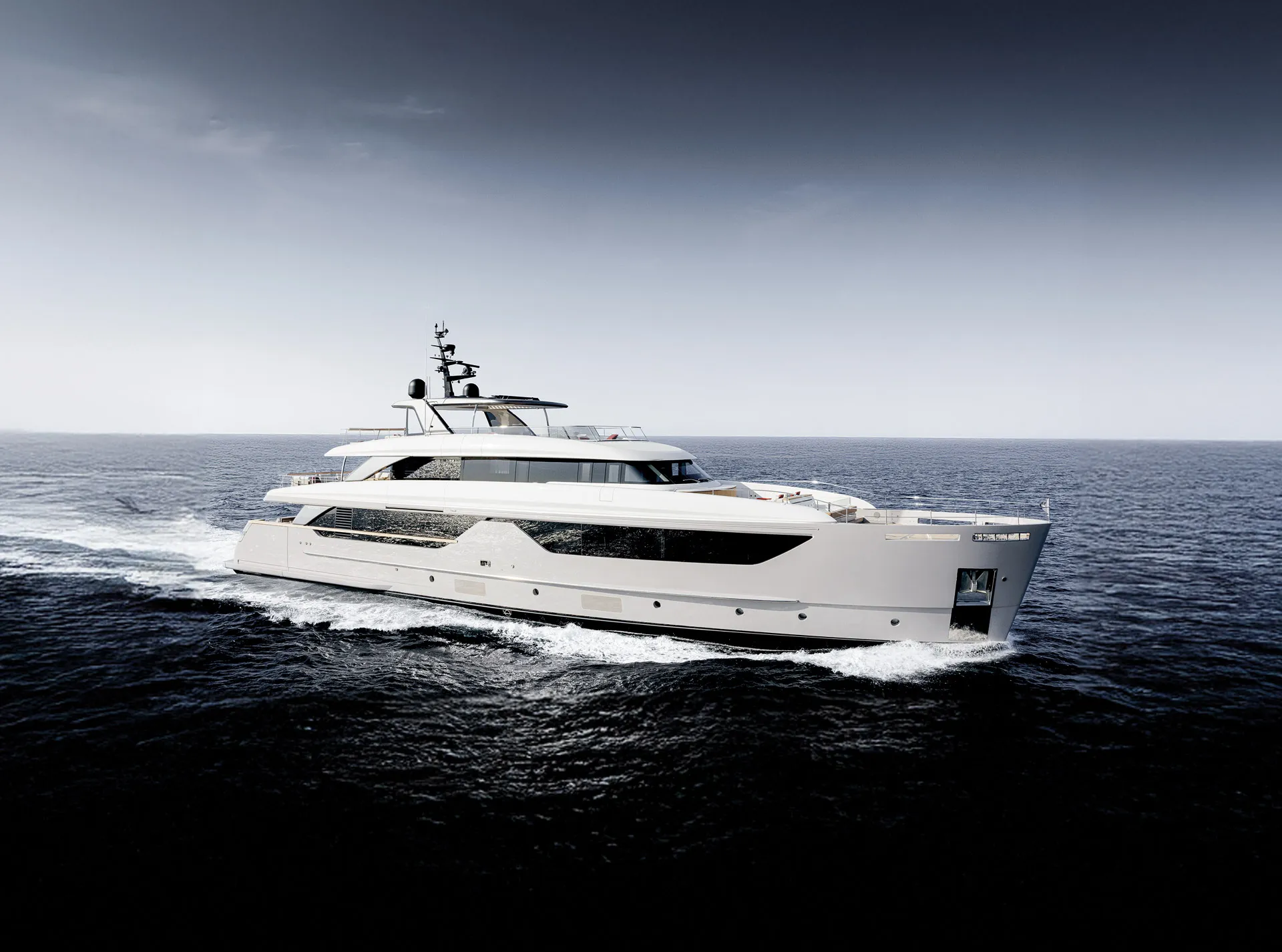
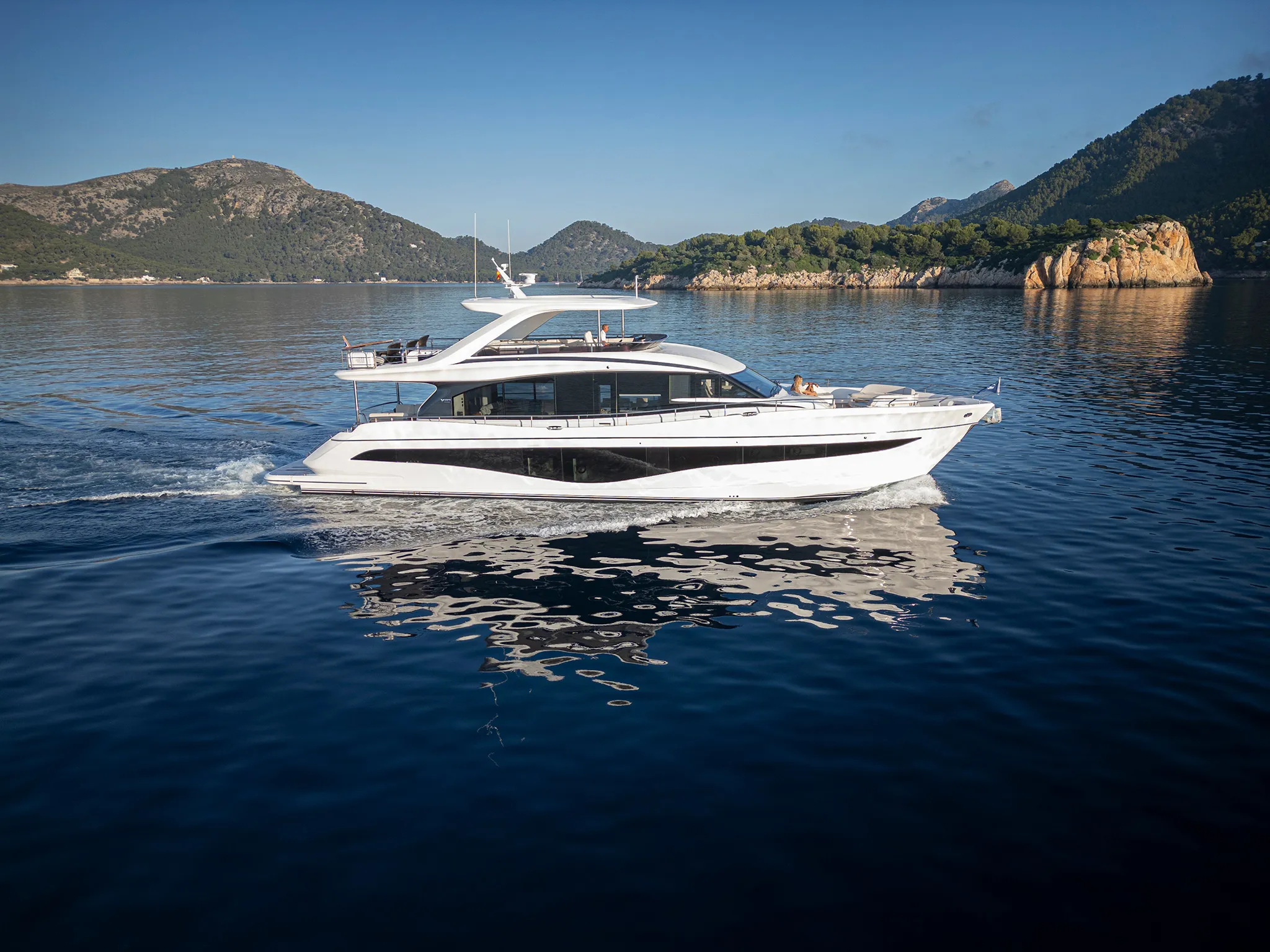
Yachts we'd shortlist for St Lucia
Reviewed the same way as everything on this site — specifications verified against the builder's own numbers.
Frequently Asked Questions
What are the ports of entry in Saint Lucia?
Rodney Bay Marina, Marigot Bay and Soufriere appear on every official list, and those three are the safe plan. Beyond them the lists differ: SLASPA's yachting page names exactly "three world-class marinas in Rodney Bay, Marigot Bay and Soufriere, all of which are official points of entry", its own port overview adds "the island's two principal seaports, Castries and Vieux Fort", and the Saint Lucia Tourism Authority lists Rodney Bay, Marigot Bay, Soufrière and Castries. If you intend to clear at Castries or Vieux Fort in a private yacht, confirm by telephone first. Clearance is due within 24 hours of arrival and nobody but the captain leaves the boat until it is granted.
Does St Lucia charge a cruising permit?
Not in the Bahamian or BVI sense — nothing is charged per foot or per person. What is published is narrower and cheaper: a EC$25 mooring permit from the Customs Office for mooring outside designated ports of entry; the SMMA's Coral Conservation Permit at Soufriere, from US$20 a night; and, for boats working commercially, a yacht licence at EC$200 to 40 feet, EC$300 from 41 to 70 feet and EC$400 over 70 feet. Customs overtime is EC$10 on Saturdays and weekday overtime and EC$15 on Sundays and holidays, minimum three hours. Budget the moorings and the clearance hours rather than a permit.
Can you anchor at the Pitons in St Lucia?
No — not at the Pitons themselves. The Soufriere Marine Management Association, which manages the area for the Government of St Lucia, publishes the rule flatly: "Anchoring is not allowed in the SMMA, thus moorings have been provided for visiting yachts." There are two named exceptions, both well north of the Pitons: "a small area north of Anse Chastanet, and the northern part of the Hummingbird beach, provided commercial fishing activities are not disturbed." Five yacht mooring areas cover roughly 60 mooring systems, including 20-plus north of Petit Piton at Malgretoute and more between the Pitons. Depth is irrelevant here — the water is far too deep to anchor in anyway, and it is the rule rather than the sounder that decides where you lie.
Can you haul out a yacht in St Lucia?
Yes. IGY publishes "a full-service boatyard equipped with a 75t travelift and dry storage" at Rodney Bay Marina. Seventy-five tonnes is the whole published specification, though: no maximum LOA, no haul-out bay width and no beam, and for a multihull owner the width between the slings is the number that decides whether the yard can take the boat at all. Telephone the yard on +1 758-458-7200 with your beam and displacement before planning around it.
What is the largest yacht that can berth in St Lucia?
Marigot Bay Yacht Haven publishes the longer figure — "yachts up to 90m (295 feet) in length" with a "draft of up to 5m (16 feet)" — while IGY's Rodney Bay Marina publishes "Max Length: 285' (86.8m)", "Max Beam: 60' (18.3m)" and "Max Draft: 13' (3.9m)" across 253 total berths and 32 megayacht berths. Rodney Bay is the larger inventory by far and the only one publishing a beam limit, and sixty feet of beam accommodates any production catamaran built. The constraint that actually stops people is draft, not length: a heavy 130-footer drawing fourteen feet does not fit a berth rated to 285 feet at Rodney Bay, though it would at Marigot. Check draft first, length second.
How much is a mooring in the Soufriere Marine Management Area?
The SMMA publishes a Coral Conservation Permit in three length classes: US$20.00 (EC$54.00) per night for boats to 70 feet, with a week at US$120.00; US$100.00 (EC$267.00) per night from 70 to 120 feet; and US$200.00 (EC$534.00) per night over 120 feet. A crewed charter annual permit is US$500.00. Park entrance is EC$3.00 or US$1.00 per person per day, a daily dive permit EC$13.50 or US$5.00. Two practical points: the permits "can only be purchased from the uniformed SMMA Rangers", so carry cash and expect them to identify themselves; and the Association's own table does not convert at a single rate — EC$3.00 to US$1.00 is 3.00, while EC$267 to US$100 is 2.67 — so ask which currency is wanted.