
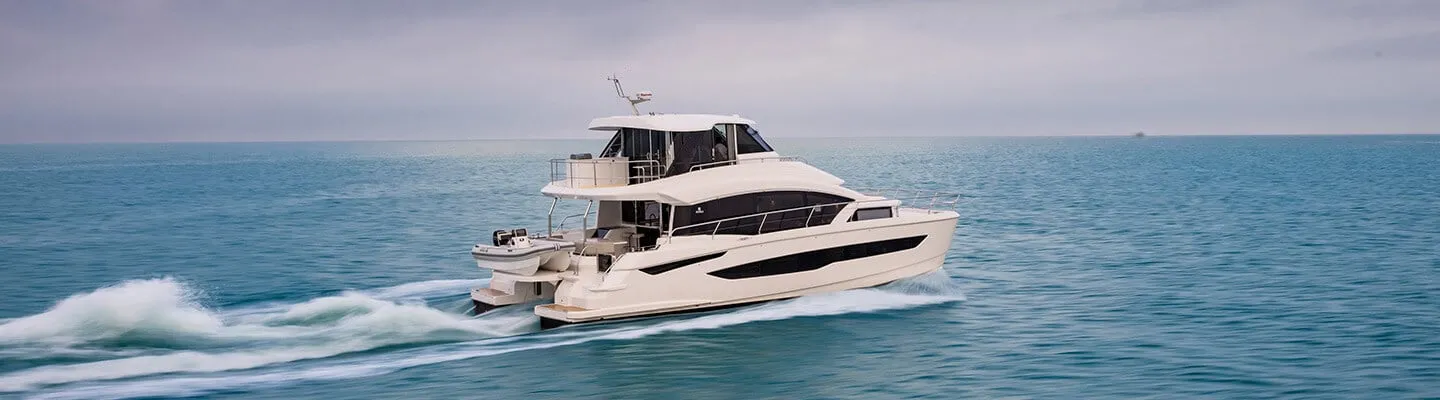
Aquila 54 Yacht 54' 2"
View Specs & ReviewSeven nights per bay, thirty nights a year — the park sets the terms
Yachting in St John
A Minted Location · St John, U.S. Virgin Islands
St John is one of the most beautiful anchorages in the American Caribbean, and the one where a federal agency, not a marina, decides how long you can stay.
Most of the island is Virgin Islands National Park, and the National Park Service publishes the rule that shapes everything else about owning a boat here: "Overnight stays are limited to 7 nights per bay and no more than 30 nights per year." That is not a marina policy or a local by-law. It is the park's published limit, and it applies to anchoring on exactly the same terms as it applies to the moorings.
Thirty nights a year is the number to plan around. You cannot base a boat in this park. You can visit it beautifully, repeatedly, and cheaply — the overnight mooring fee is $26.00 a night, or $13.00 with a Senior or Access pass — but the park is a destination, never a home berth. That is a feature, not a restriction: it is why the bays still look the way they do.
⚠️ And St John is legally foreign. CBP treats St Thomas, St John and St Croix as foreign ports under United States customs law, notwithstanding that the USVI is US territory. Arriving from Puerto Rico you must report; going back you must report again, with fines typically starting at $5,000.
So treat St John as what it is: the destination you berth elsewhere and visit — from St Thomas, twenty minutes west, or from Tortola across the passage.
Where to keep a yacht in St John
St John's berthing is the National Park Service mooring system rather than a marina, and the NPS publishes it plainly.
| Overnight mooring | $26.00 per night |
| With a Senior or Access pass | $13.00 per night |
| Payment | "Credit or debit card is the preferred method of payment for all fees" · Recreation.gov app by QR code |
| Stay limit | "7 nights per bay and no more than 30 nights per year" |
| Anchoring | Same fee structure as the moorings |
Fee stations are published by name: Cruz Bay Finger Pier, Caneel Bay, Francis Bay, Leinster Bay, Saltpond Bay and Great Lameshur Bay. The NPS requires that "Overnight mooring fees must be paid prior to spending the night" — before, not after.
⚠️ Anchoring is charged like mooring. That surprises people who assume the hook is free because it usually is. On St John the NPS applies the same fee structure to anchoring, so the twenty-six dollars is a park fee rather than a mooring rental.
A rate increase has been proposed — $40 for vessels up to 60 feet and $60 above, charged 24 hours a day rather than overnight only. The published fee is still $26.00 / $13.00, overnight, so check the park's own fees page before the season.
For a slip rather than a mooring, look off-island. The published inventory is at St Thomas — Yacht Haven Grande, 46 megayacht berths to 656 feet, twenty minutes west — or across the passage at Tortola.
Marinas
| Name | Where | Max yacht | Slips | Fuel |
|---|---|---|---|---|
| St Thomas and Tortola — where the berths areSt John's berthing is the park's mooring field rather than slips, so a boat that needs a dock plans around the neighbours. The published inventory is at St Thomas — Yacht Haven Grande, 46 megayacht berths to 656 ft — twenty minutes west, or across the passage on Tortola. | Cruz Bay and Coral Bay | — | — | — |
Figures are as each facility publishes them on its own site; blank cells mean the facility doesn't state a number. Confirm slip availability and current rates directly — or ask us to make the calls.
Cruising from St John
Two sets of rules govern a boat on St John, and neither is a marina's.
First, the park. The National Park Service's published limits are the real constraint on how you use the island:
- "Overnight stays are limited to 7 nights per bay and no more than 30 nights per year."
- Overnight fees must be paid before the night, not after.
- Anchoring is charged on the same basis as mooring.
- Fee stations at Cruz Bay Finger Pier, Caneel Bay, Francis Bay, Leinster Bay, Saltpond Bay and Great Lameshur Bay.
- Payment by card, or the Recreation.gov app by scanning the QR code at any station.
Seven nights per bay is the sharper of the two limits in practice. Thirty nights a year sounds generous until you notice you cannot spend them all in the one bay you like. The rule is designed to rotate boats through the park, and it works — which is why the bays are still worth the trip.
Second, the customs line. CBP treats St Thomas, St John and St Croix as foreign ports under United States customs law, despite the USVI being US territory:
- Report on arrival in the USVI, including from Puerto Rico.
- Report again on returning to Puerto Rico. Reporting is required in both locations.
- Fines for failure to report typically begin at $5,000.
- CBP ROAM satisfies the face-to-face requirement except for anyone needing an I-94, a cruising licence, or who owes duties — they must report in person.
Going east into the British Virgin Islands is a real international border, and one with an unusual fee basis: the BVI charges a cruising permit per person per day — $6 home-based, $16 foreign-based — rather than per vessel. From Coral Bay the BVI is a very short hop, so this is a live consideration on St John in a way it is not further west.
The park's mooring positions are the practical guide to the bays. These are open, mostly deep bays on a rocky, well-charted coast, and the named fee stations mark the ones set up for visiting boats.
- Virgin Islands National Park moorings — Across St JohnThe island's berthing story, and it is federal rather than commercial. The rule that shapes ownership here: "Overnight stays are limited to 7 nights per bay and no more than 30 nights per year." Anchoring is charged on the same basis as mooring — the fee is a park fee, not a mooring rental. Payment by card or the Recreation.gov app by QR code at any station. A rate increase has been proposed — to $40 under 60 ft, $60 above, charged 24/7 — but the published fee is still $26.00 / $13.00, overnight. Check the park's fees page before the season.
- The six named fee stations — Cruz Bay, Caneel, Francis, Leinster, Saltpond, Great LameshurThe NPS publishes its fee stations by name: Cruz Bay Finger Pier, Caneel Bay, Francis Bay, Leinster Bay, Saltpond Bay and Great Lameshur Bay. That list doubles as the park's guide to the bays set up for visiting boats — the serviced anchorages, and the reason to make the trip.
- The CBP reporting line — the USVI is legally foreign — Between Puerto Rico and the US Virgin IslandsCBP treats St Thomas, St John and St Croix as foreign ports under United States customs law despite the USVI being US territory. Report on arrival, and report again on returning to Puerto Rico; fines for failure to report typically begin at $5,000. ROAM satisfies the face-to-face requirement except for anyone needing an I-94, a cruising licence, or owing duties. From Coral Bay the British Virgin Islands are a very short hop, and that is a second, genuinely international border with a per-person-per-day permit.
On the St John calendar
St John runs year-round, and the calendar that matters is the park's rather than a season's.
- Thirty nights per year, seven nights per bay. The number that shapes everything else here, published by the National Park Service. It resets annually, and it makes basing a boat here impossible by design.
- Overnight mooring: $26.00 a night, $13.00 with a Senior or Access pass. Payable before the night.
- Anchoring is charged on the same basis as mooring.
- A rate increase has been proposed — $40 under 60 ft, $60 above, charged 24/7 rather than overnight only. The published fee is still $26.00 / $13.00, overnight — check the park's own fees page before the season.
- CBP reporting is per movement, not per season: every arrival in the USVI and every return to Puerto Rico. ROAM does not cover an I-94, a cruising licence or duties owed.
- The BVI cruising permit is per person per day — $6 home-based, $16 foreign-based — which from Coral Bay is a very short hop and a live decision.
Regatta and race dates are set by the organising clubs — confirm 2026–27 dates with the organiser directly. The park's fee and its stay limits are the rules that actually change a trip.
Yachts we'd shortlist for St John
Reviewed the same way as everything on this site — specifications verified against the builder's own numbers.
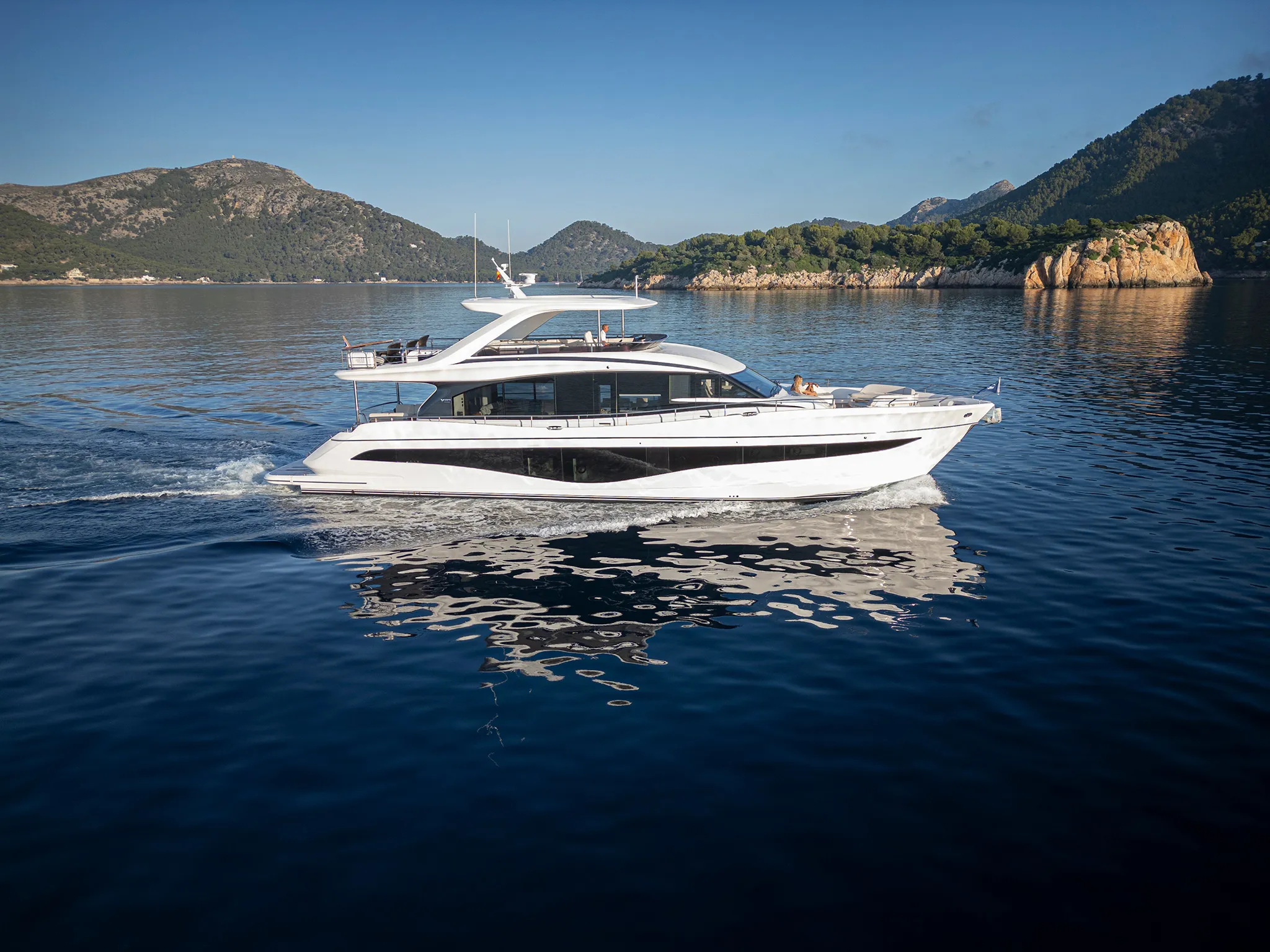
Princess Y8083'8"
View Specs & Review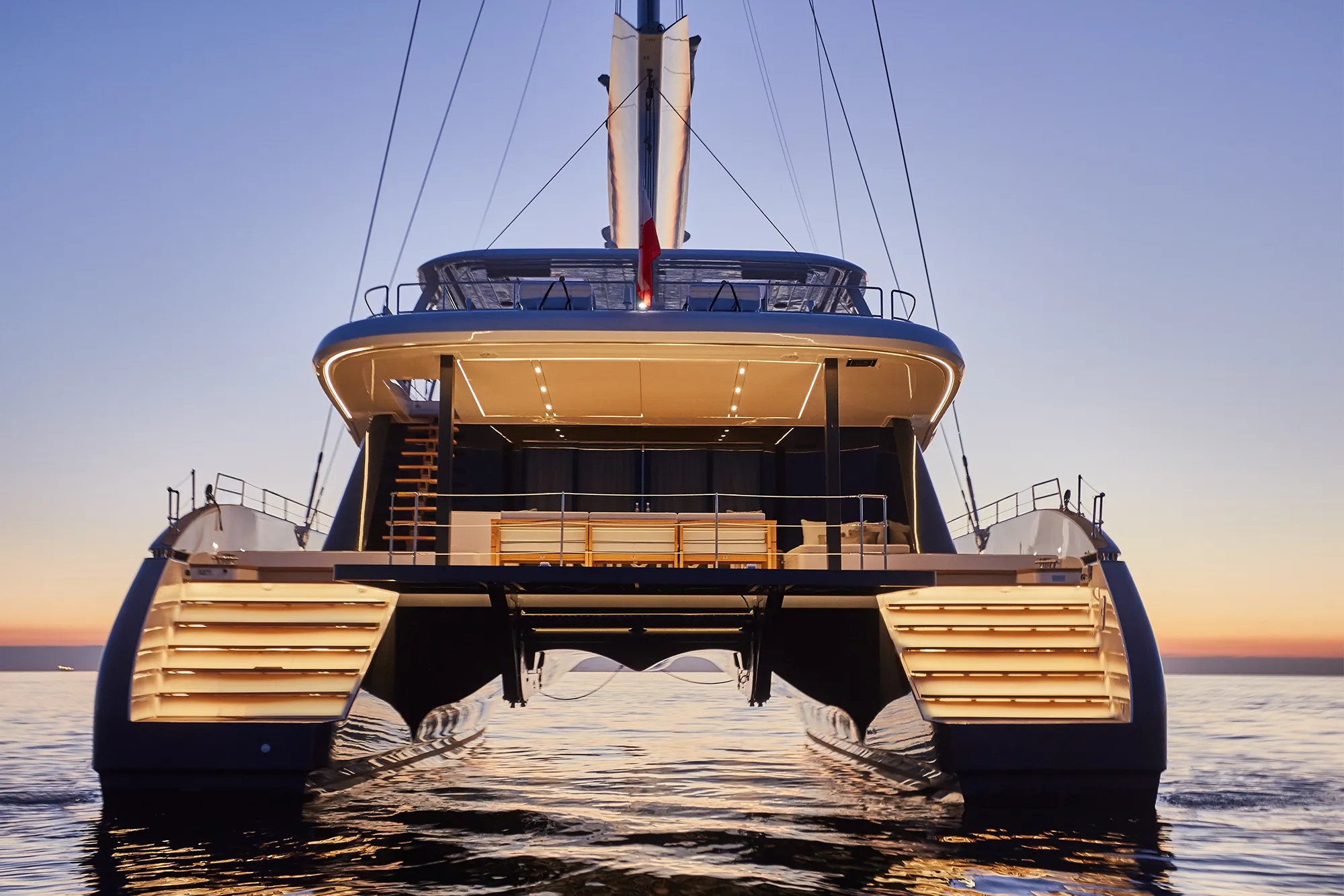
Sunreef 80 Sail NEXT ( Eco-Option )23.87 m (78 ft 4 in)
View Specs & ReviewFrequently Asked Questions
How long can you stay on a mooring in Virgin Islands National Park?
The National Park Service publishes the limit plainly: overnight stays are limited to 7 nights per bay and no more than 30 nights per year. Seven nights per bay is usually the sharper constraint in practice, because it stops you spending your annual allowance in the one bay you like. The rule applies to anchoring on the same basis as to the moorings, and it is why you cannot base a boat in this park — St John is a destination you visit from a berth elsewhere.
Is there a marina on St John?
Not in the sense of a slip. St John's berthing story is the National Park Service mooring system — $26.00 a night, paid before the night, under the 7-nights-per-bay and 30-nights-per-year limit. If you need a berth rather than a mooring, the published inventory is at St Thomas — Yacht Haven Grande, with 46 megayacht berths to 656 feet, twenty minutes west — or across the passage on Tortola.
Do you pay to anchor in Virgin Islands National Park?
Yes. This surprises people who assume anchoring is free because it usually is elsewhere. The National Park Service applies the same fee structure to anchoring as it does to its moorings, so the $26.00 a night is a park fee rather than a mooring rental — and the 7-nights-per-bay, 30-nights-per-year limit applies to anchored vessels too.
Do you need to clear customs sailing to St John?
Yes, arriving from Puerto Rico or from the British Virgin Islands. CBP treats St Thomas, St John and St Croix as foreign ports under United States customs law even though the USVI is US territory, so a vessel must report on arrival and report again on returning to Puerto Rico. CBP states fines for failure to report typically begin at $5,000, and the ROAM app satisfies the face-to-face requirement except for anyone needing an I-94, a cruising licence, or who owes duties. From Coral Bay the BVI is a very short hop and a genuinely international border, with a cruising permit charged per person per day.
How much is a mooring ball in St John?
The National Park Service publishes $26.00 per night, or $13.00 per night for holders of a Senior or Access pass. Fees must be paid before spending the night, and anchoring is charged on the same basis as mooring. Payment is by card at one of six named stations — Cruz Bay Finger Pier, Caneel Bay, Francis Bay, Leinster Bay, Saltpond Bay and Great Lameshur Bay — or through the Recreation.gov app by scanning the QR code at any station. A rate increase has been proposed; the published fee is still $26.00 / $13.00, so check the park's fees page before the season.