
August 21, 2026
The Sanlorenzo SL120A: Asymmetry at Flagship Scale
The largest asymmetric Sanlorenzo yet: 121'1", twin MTU 16V2000 M96Ls for a published 27 knots, and a full-beam owner's suite where the seco…
Read the articleExpert Review, Technical Specifications & Market Analysis
| Feature | Specifications |
|---|---|
| Overall Length | 121' 1" (36.9 m) |
| Beam | 24' 11" (7.6 m) |
| Engines | 2 × MTU 16V2000 M96L, 2,637 HP each |
| Fuel Capacity | 5,257 US gal (19,900 L) |
| Water Capacity | 1,110 US gal (4,200 L) |
| Cabins / Heads | 10 guests / 6 crew |
| Max Speed | 27 knots |
Source: Spec & Photos courtesy of Sanlorenzo. Specs verified by Tony Smith, USCG 100 Ton Master, on August 20, 2026.
Part of the Sanlorenzo SL series — see how owners step up through the lineup.

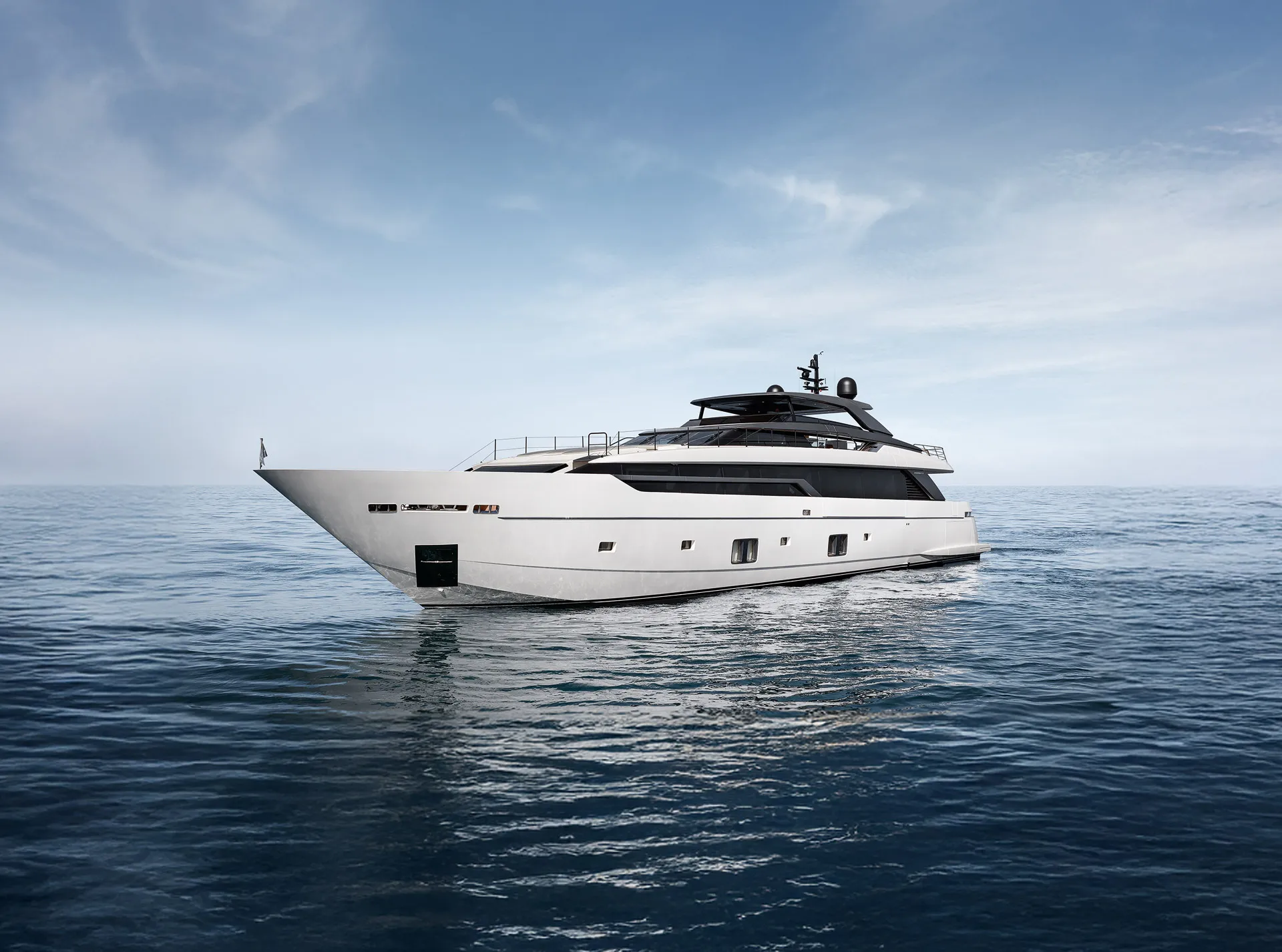
The SL120A is the asymmetric idea at the top of the SL line, and at 121 feet it is the version where the idea pays best. Sanlorenzo has been building these since the SL86A, and the argument has not changed: take out one side deck, put that width inside the boat, and the main deck stops being a corridor with rooms off it. What is different here is scale. There is more beam to redistribute on a 36.9-metre hull, which is why the owner's suite is full-beam and on the main deck instead of forward and below, and why the sightline from the saloon on the raised flank ends at the water rather than at a stanchion. If you have owned a symmetric 120 and spent three years wondering where the volume went, this is the answer to the question.
Now the number I would put in front of anyone shopping the top of this range. The SL120A runs twin MTU 16V2000 M96Ls at 2,637 horsepower a side for a published 27 knots — the same engine package, and the same published top speed, as the SL110A on a hull eleven feet two inches shorter. You are not buying pace when you step up. You are buying 7,800 more litres of fuel, a sixth crew berth, and the volume. That is a perfectly good reason to step up. It is just not the reason people assume, and it should change how you price the difference.
Two things to settle early. Sanlorenzo heads this model's engine block “Hybrid Engines” and lists two conventional MTU diesels beneath it — before the word hybrid does any work in your thinking, get what that heading covers spelled out in a build specification with numbers attached. And on a 121-footer with six crew, gross tonnage is not trivia — it is a measure of enclosed volume, not weight, and it sets survey, certification and manning for the life of the boat. Get the as-built tonnage certificate before anything else. Then take fuel burn off a sea trial at the speed you will actually hold, divide 19,900 litres by it, keep a real reserve, and the range number becomes yours instead of somebody's.
Video courtesy of Sanlorenzo.
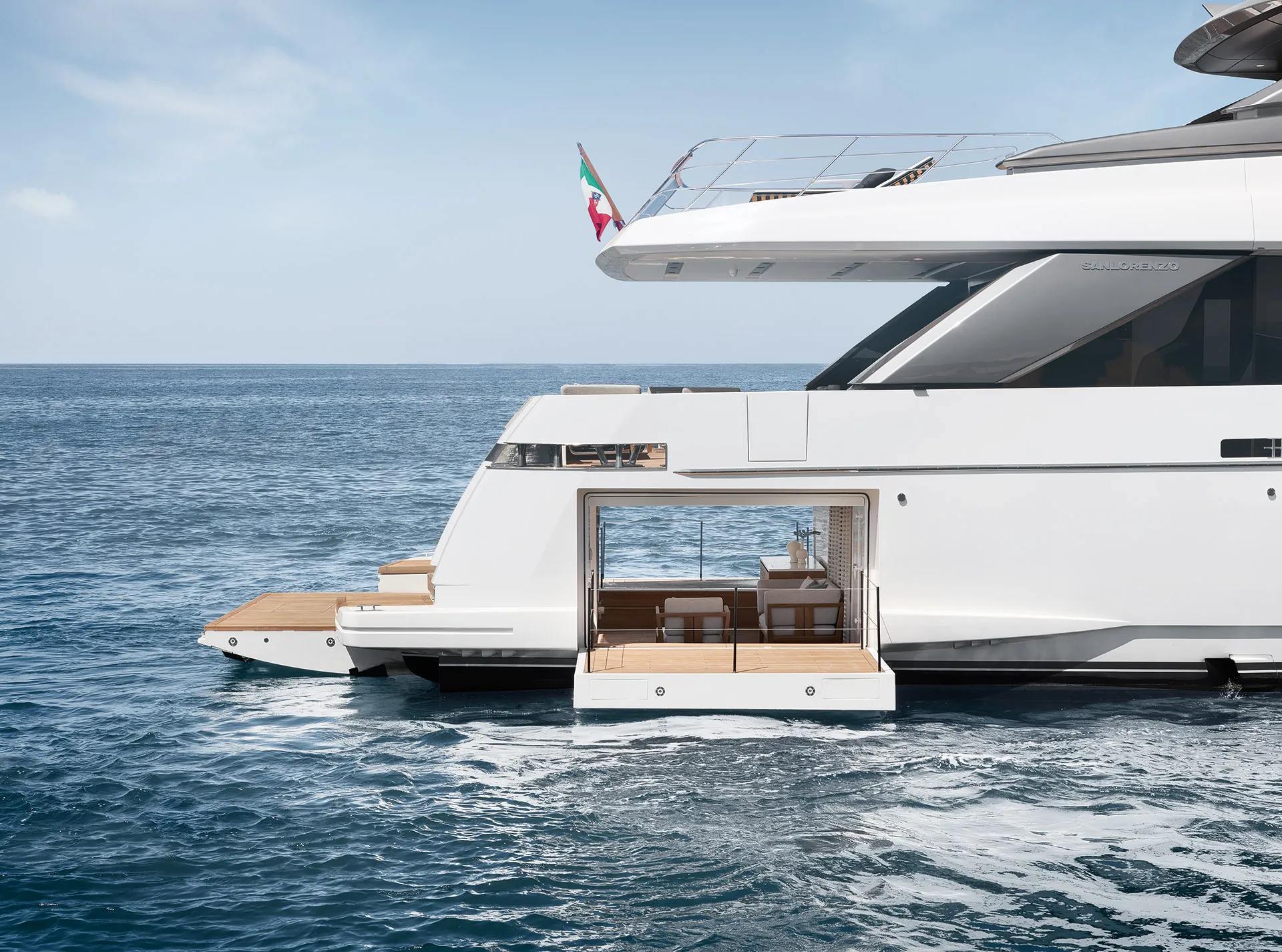
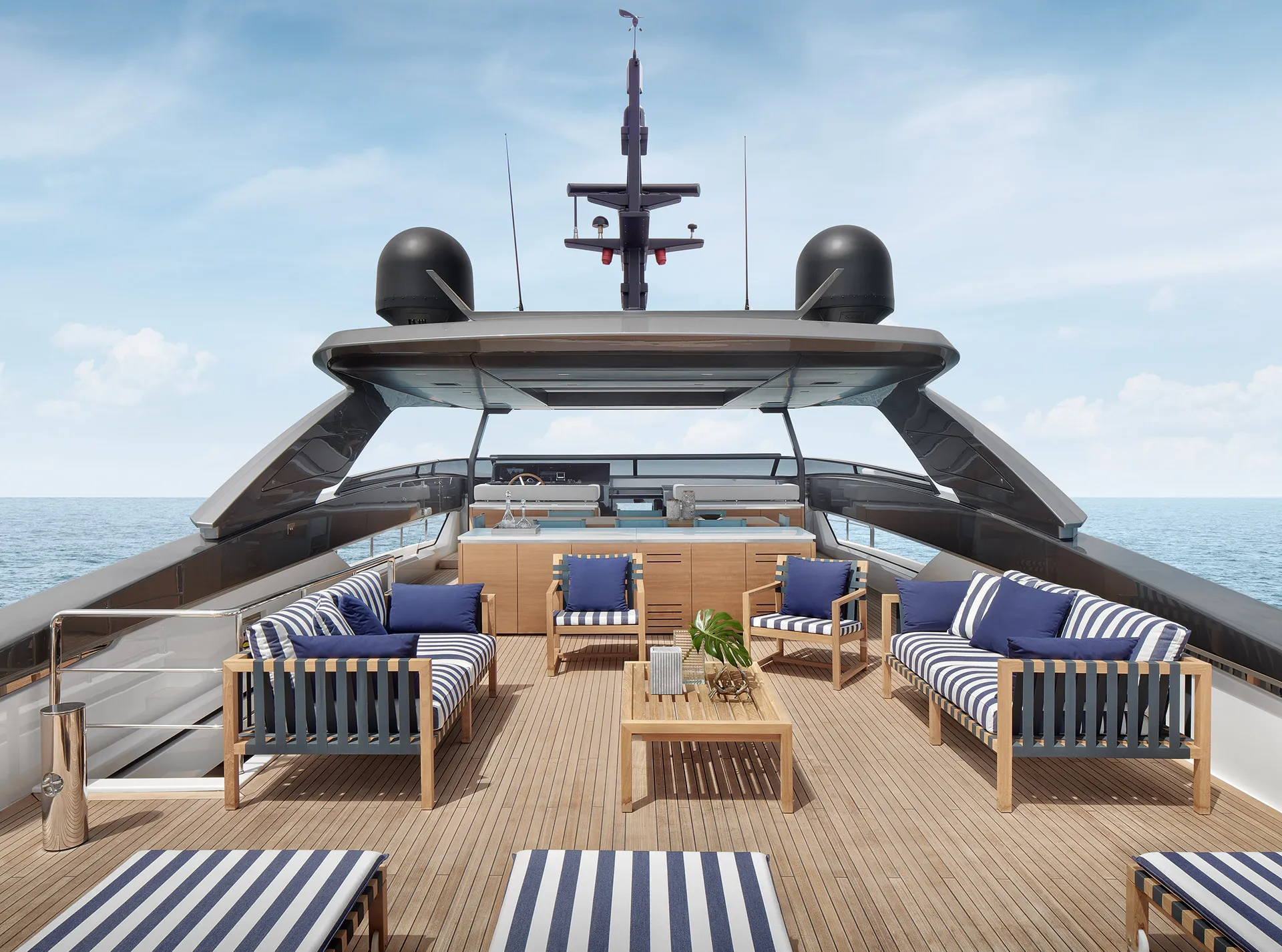
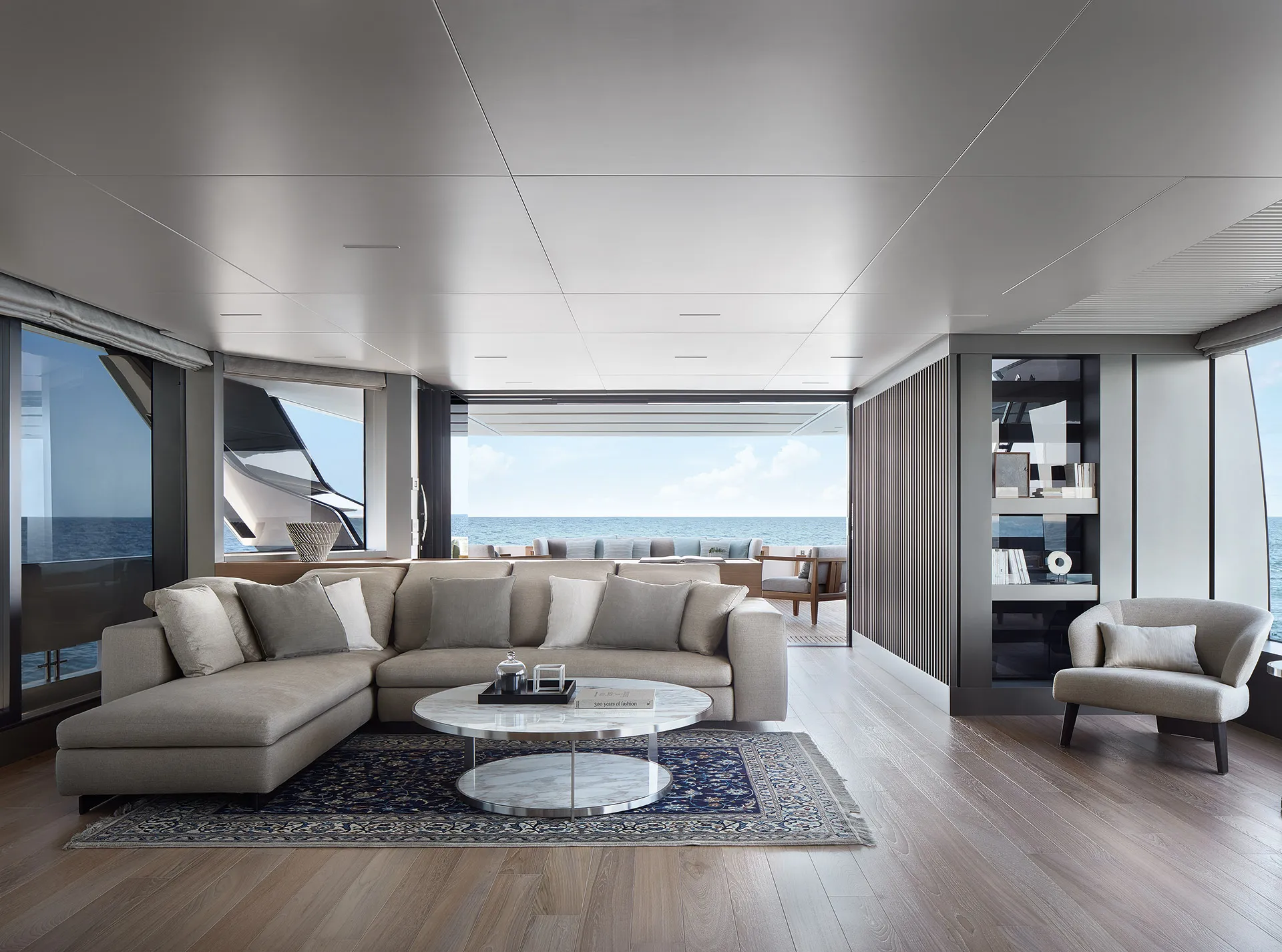
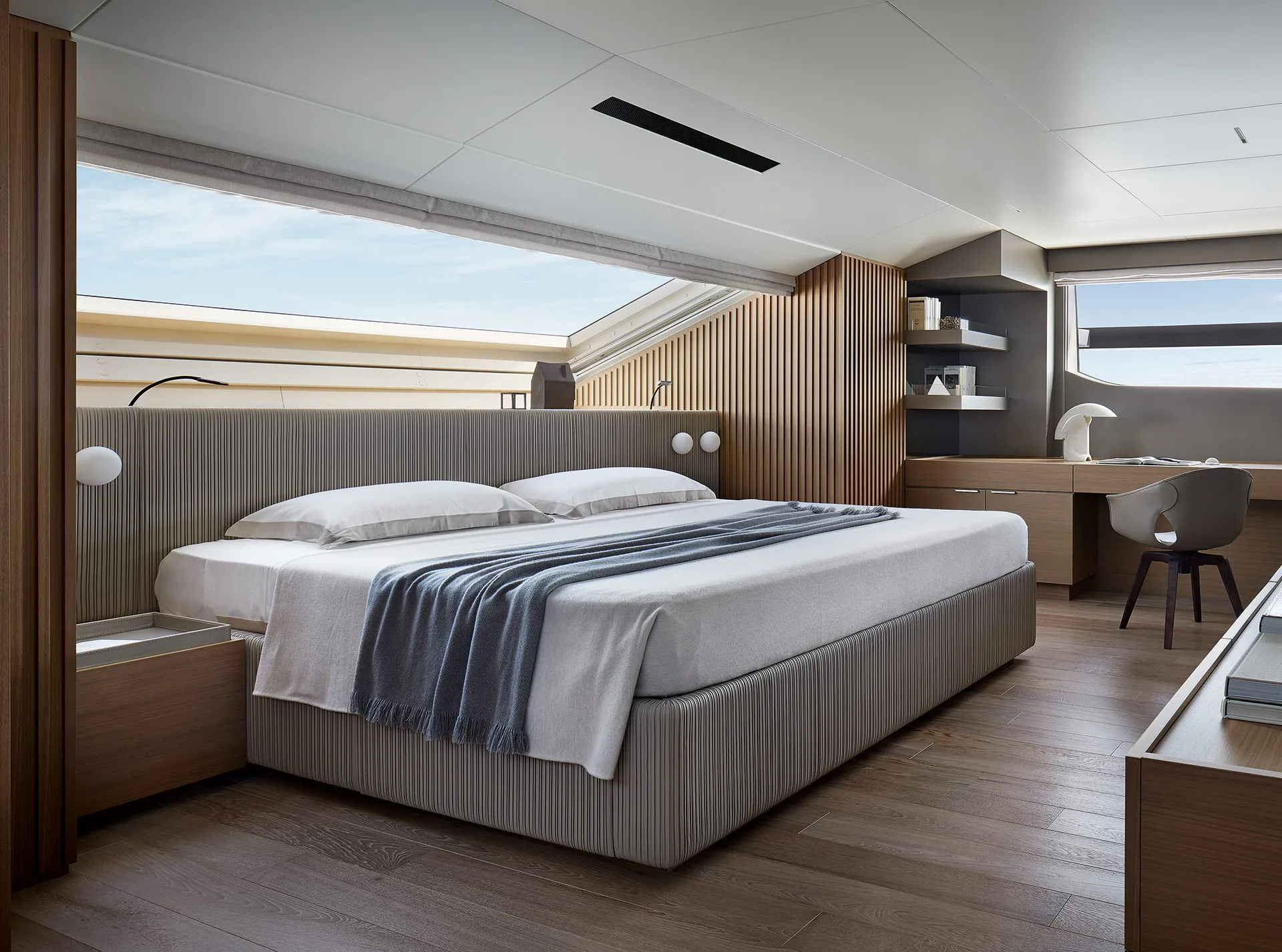
Photos courtesy of Sanlorenzo.
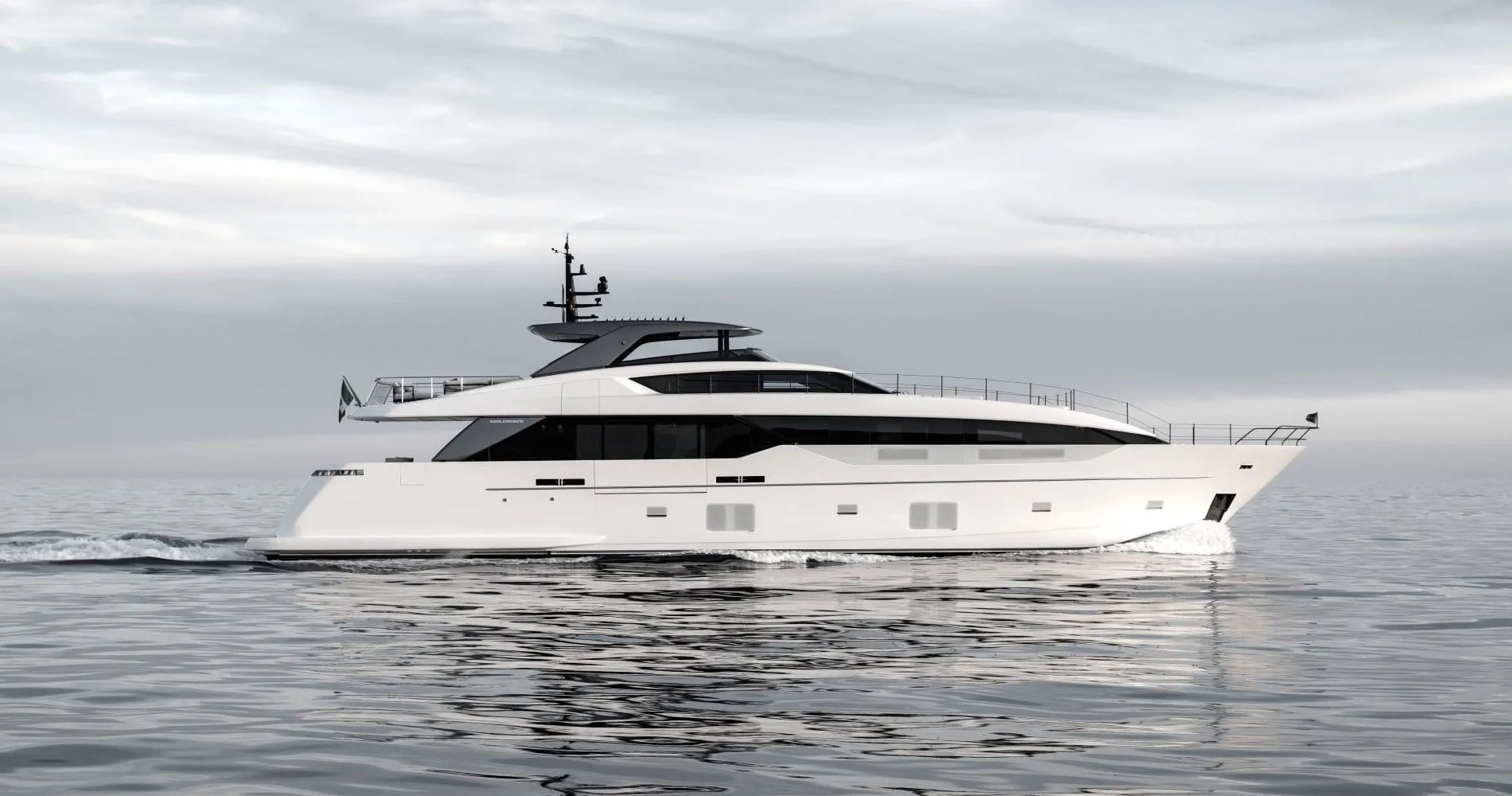
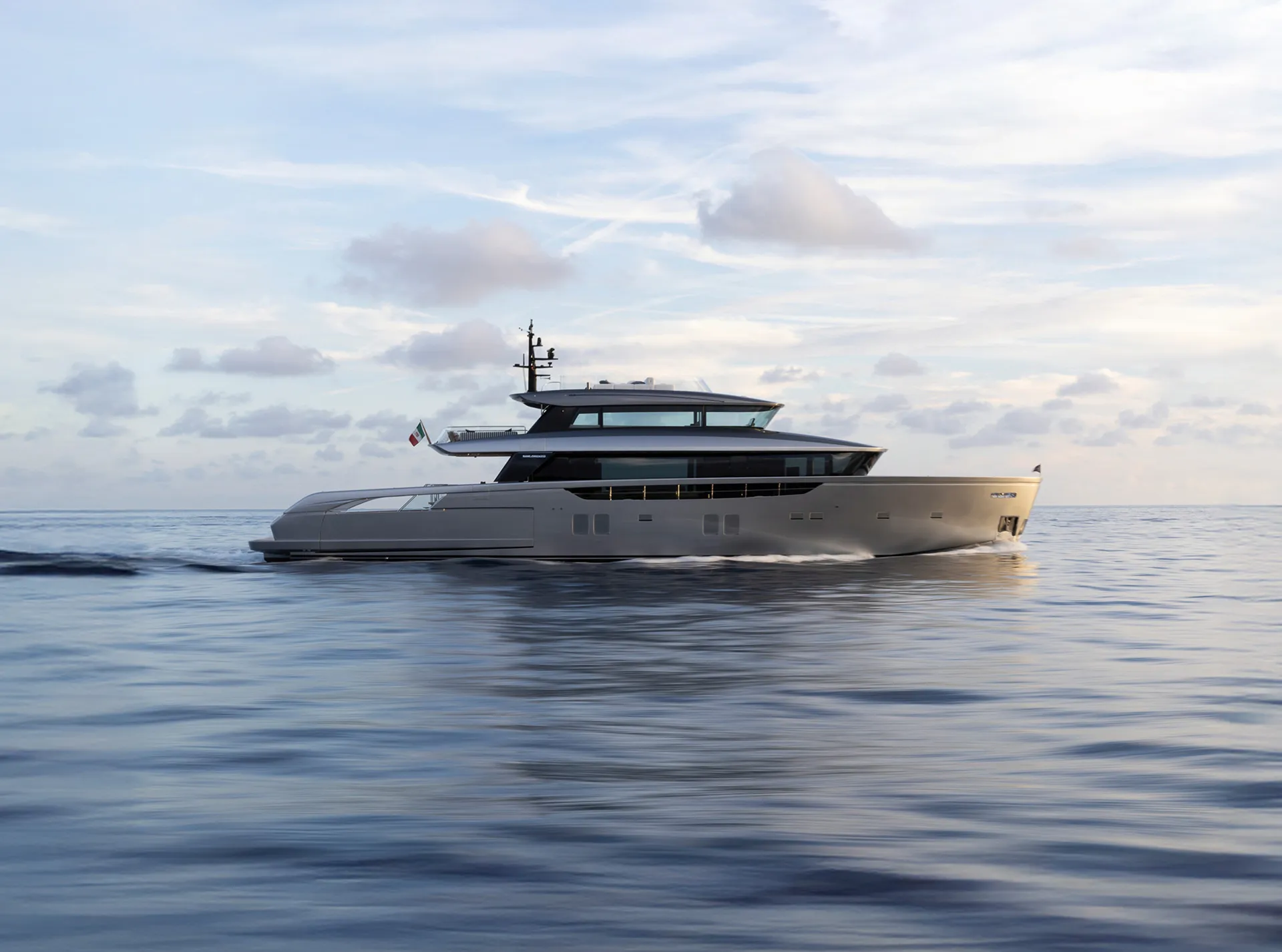
Twenty-seven knots, on twin MTU 16V2000 M96L engines at 2,637 hp each — the single package Sanlorenzo lists for the SL120A, with 27 knots its maximum.
Twenty-seven knots at 36.9 metres (121 feet 1 inch) puts the SL120A firmly among planing yachts rather than the yard's displacement steel hulls, which is the point of the SL line. Fuel is 19,900 litres (5,257 US gallons) and fresh water 4,200 litres (1,110 US gallons).
As published, no — the SL120A is a conventionally powered planing yacht with a maximum of 27 knots. Sanlorenzo heads the model's engine block "Hybrid Engines", and beneath that heading sit twin MTU 16V2000 M96L diesels at 2,637 hp each.
Sanlorenzo does build a genuine diesel-electric system elsewhere in its fleet — the 58Steel runs twin E-Pods at 850 kW each, with stated hotel-mode figures. If hybrid capability matters to your purchase, get the propulsion specification for the hull you are buying in writing before assuming anything beyond the two MTUs.
Length, engine choice and crew. The SL120A is 36.9 metres (121 feet 1 inch) with twin MTU 16V2000 M96Ls at 2,637 hp, 27 knots, ten guests and six crew. The SL110A is 33.5 metres (109 feet 11 inches), also reaching 27 knots on the M96L, with ten guests and five crew — and it offers a choice of MTU packages where the SL120A publishes one.
Same guest count, same top speed. What the extra 3.4 metres buys is volume, a sixth crew berth, and the full-beam owner's suite Sanlorenzo puts on the SL120A's main deck. If the boat is for ten guests and you already like the SL110A's pace, this is a space decision. If a main-deck owner's suite is what you want, only one of the two has it.
On the main deck, and full-beam. That is the payoff of the asymmetric layout Sanlorenzo has built the SL line around: carrying one side deck instead of two frees the width of the hull at main-deck level for the owner rather than for a walkway.
At 36.9 metres (121 feet 1 inch) on a 7.6-metre (24 feet 11 inches) beam, that full width is a genuinely different room from a below-decks master. Sanlorenzo describes sliding glass, lowered bulwarks and sculpted volumes opening the interior to the sea, with neutral tones and walnut finishes inside. Guest and crew numbers are ten and six; the yard publishes those rather than cabin counts, so the rest of the arrangement belongs to each hull's build specification.