
August 21, 2026
The Sanlorenzo 52Steel NEO: The Garage Moved to the Bow
The 52Steel NEO is not a restyle of the 52Steel that preceded it. Sanlorenzo moved the tender and toy garage forward to the bow, which hands…
Read the articleExpert Review, Technical Specifications & Market Analysis
| Feature | Specifications |
|---|---|
| Overall Length | 169' 3" (51.6 m) |
| Beam | 29' 6" (9 m) |
| Displacement | Under 500 GT (gross tonnage — Sanlorenzo publishes no displacement figure) |
| Engines | 2 × MAN D2862-LE489, 1,066 kW (1,430 HP) each |
| Fuel Capacity | 14,529 US gallons (55,000 L) |
| Cabins / Heads | Up to 12 guests / 9 crew |
| Max Speed | 16 knots |
Source: Spec & Photos courtesy of Sanlorenzo. Specs verified by Tony Smith, USCG 100 Ton Master, on August 20, 2026.
Part of the Sanlorenzo Steel series — see how owners step up through the lineup.

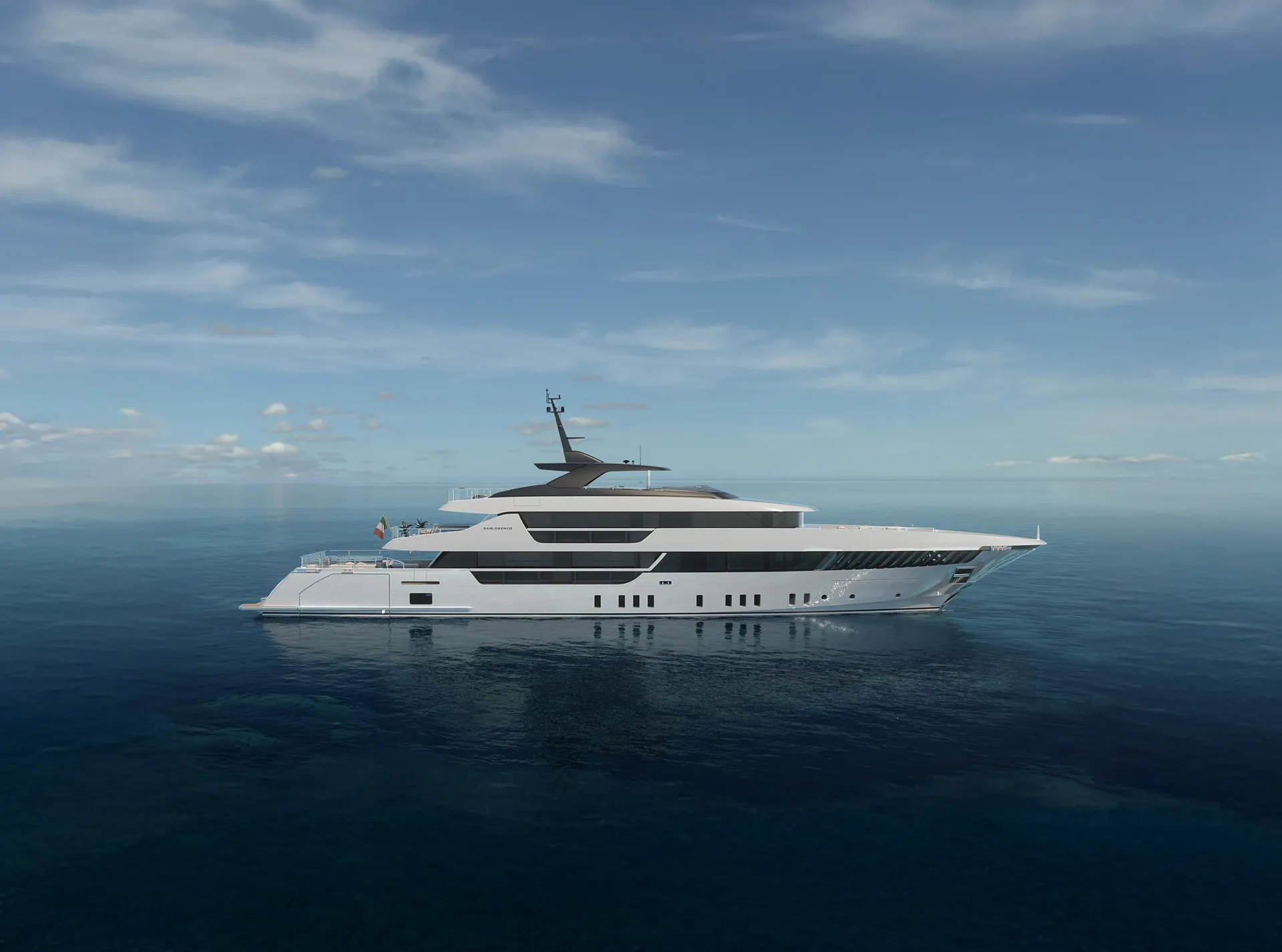
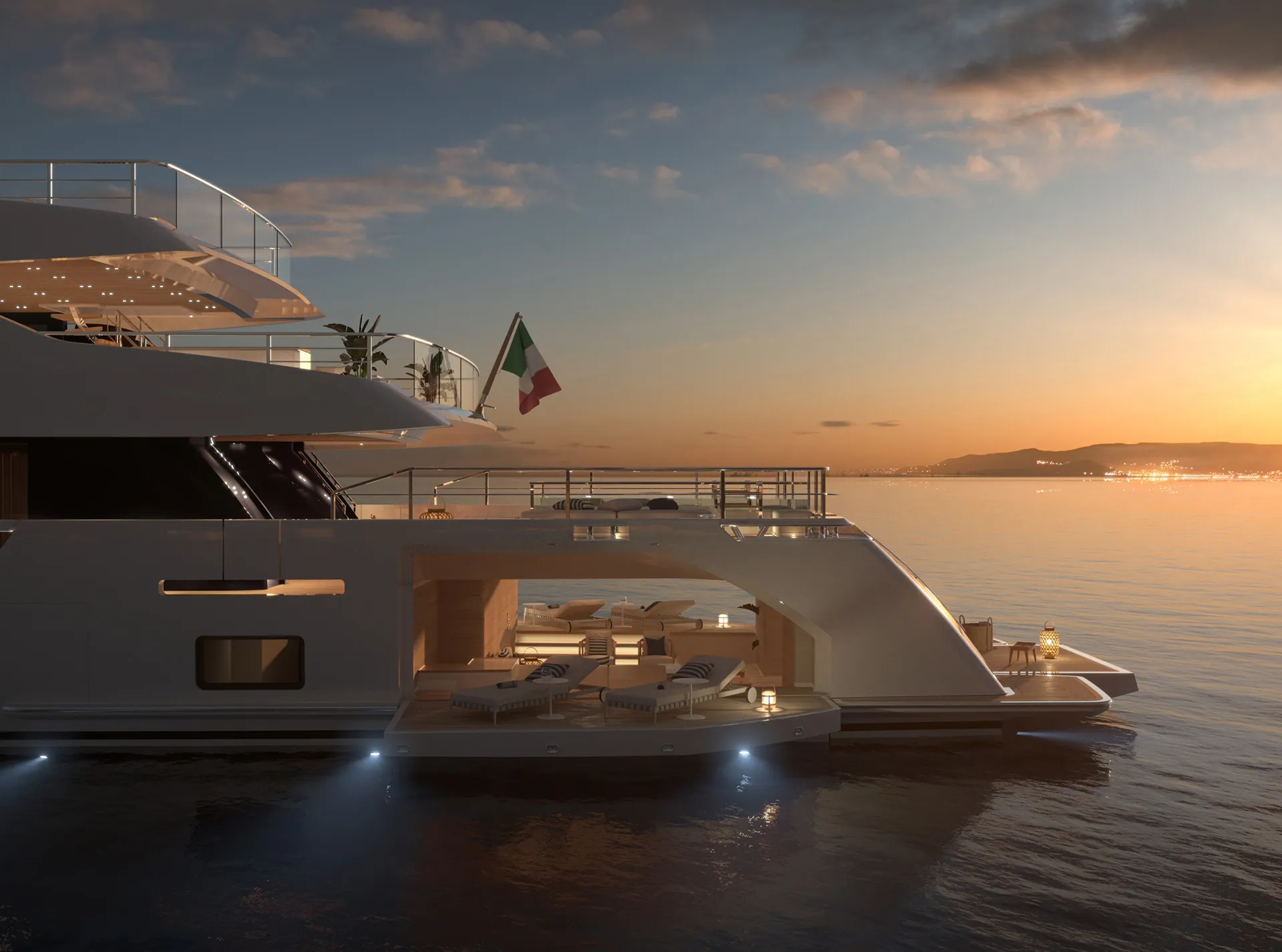
The 52Steel NEO is one of the more interesting things Sanlorenzo has done recently, and the reason is a single architectural decision rather than a styling pass. The tender and toy garage moved forward to the bow. That frees the entire aft end of a 51.6-metre hull for beach club and wellness space instead of machinery and working deck. On a yacht of this size, spent mostly at anchor, that is the part of the boat people actually live in — and most builders hand it to the equipment. This one does not.
The numbers behind it: 169 feet 3 inches, under 500 gross tons, twin MAN D2862-LE489s at 1,066 kW — 1,430 horsepower — each, a published 16 knots, 55,000 litres of fuel, up to twelve guests and nine crew. Note that Sanlorenzo publishes the tonnage as a threshold rather than a figure. That tells you the sub-500 target drove the design, which is a deliberate and defensible choice, but it also means you need the certified number for your specific hull rather than the marketing one.
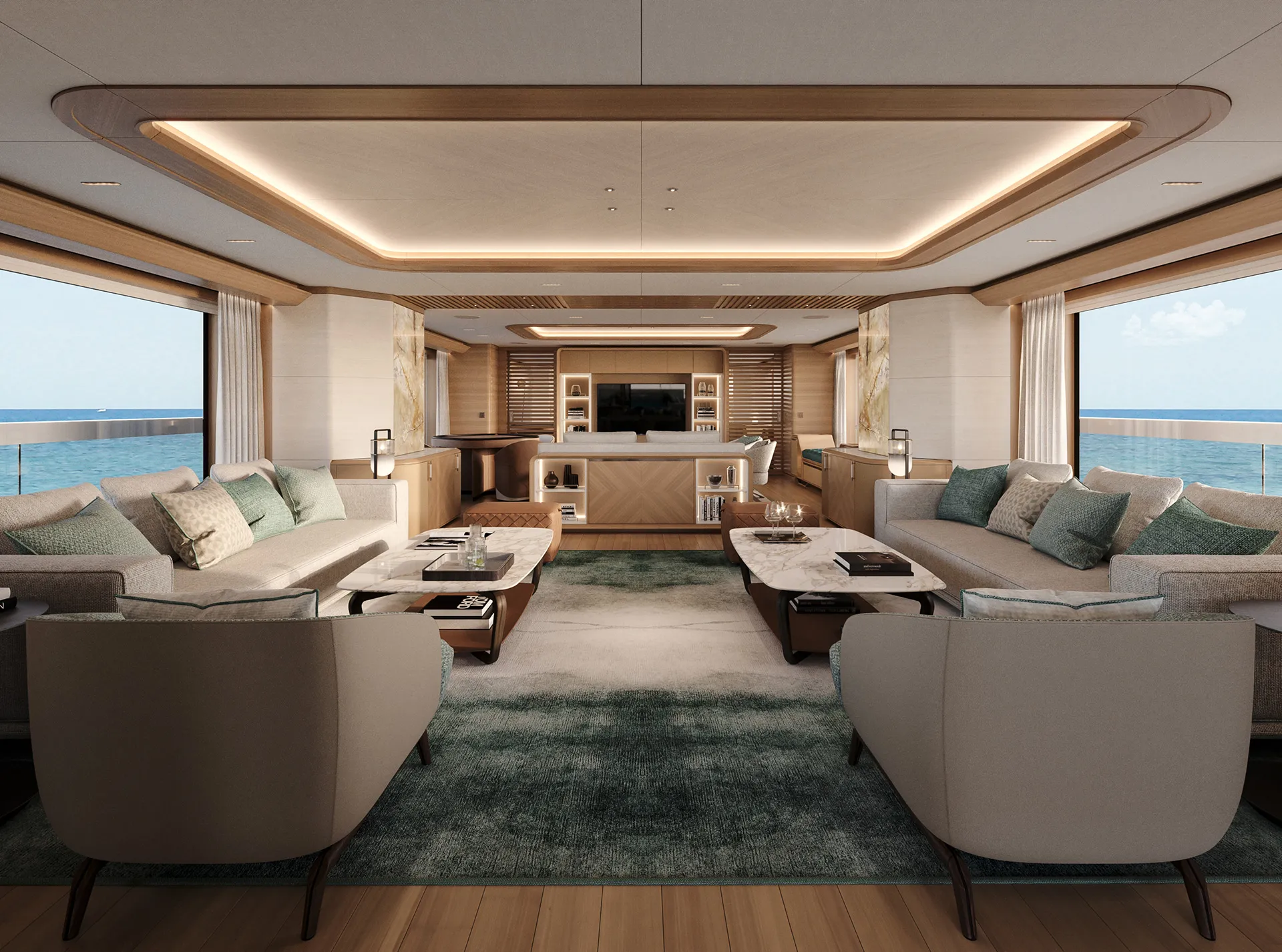
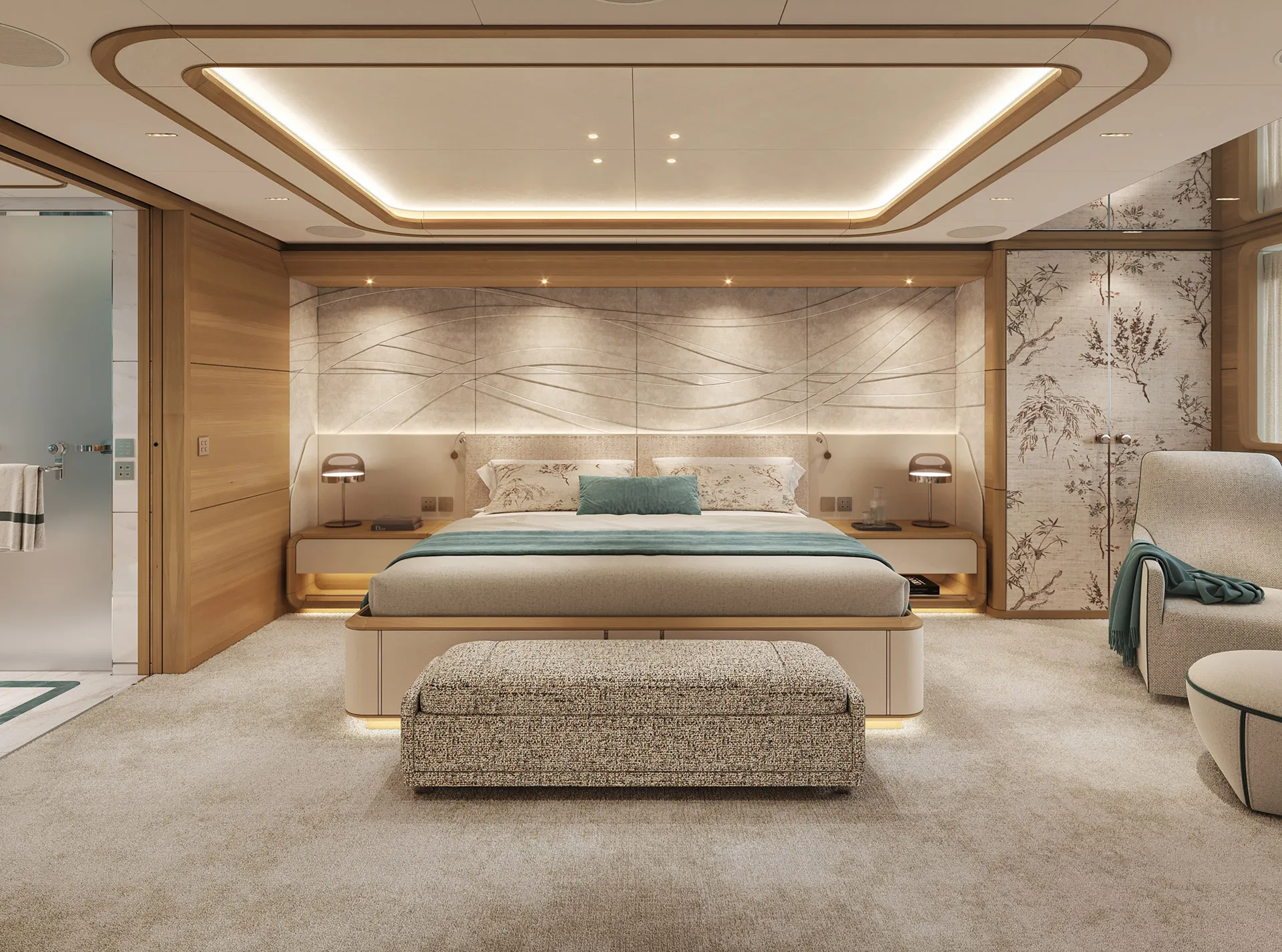
Now the warning, and it is the most useful thing on this page. The current 52Steel is the NEO, and the 52Steel that came before it is a different boat with a different length overall and an entirely different engine package. The two get quoted interchangeably constantly, including in material that looks authoritative, and Sanlorenzo's own 52Steel film predates the NEO and shows the earlier hull. So establish which generation any document describes before you take a number off it. At 169 feet, take draft, fresh water capacity and weights from the build specification and cruise data from the sea trial, and treat any interior you are shown as one owner's arrangement rather than the standard boat — layouts on this model are configured per hull.
Video courtesy of Sanlorenzo.
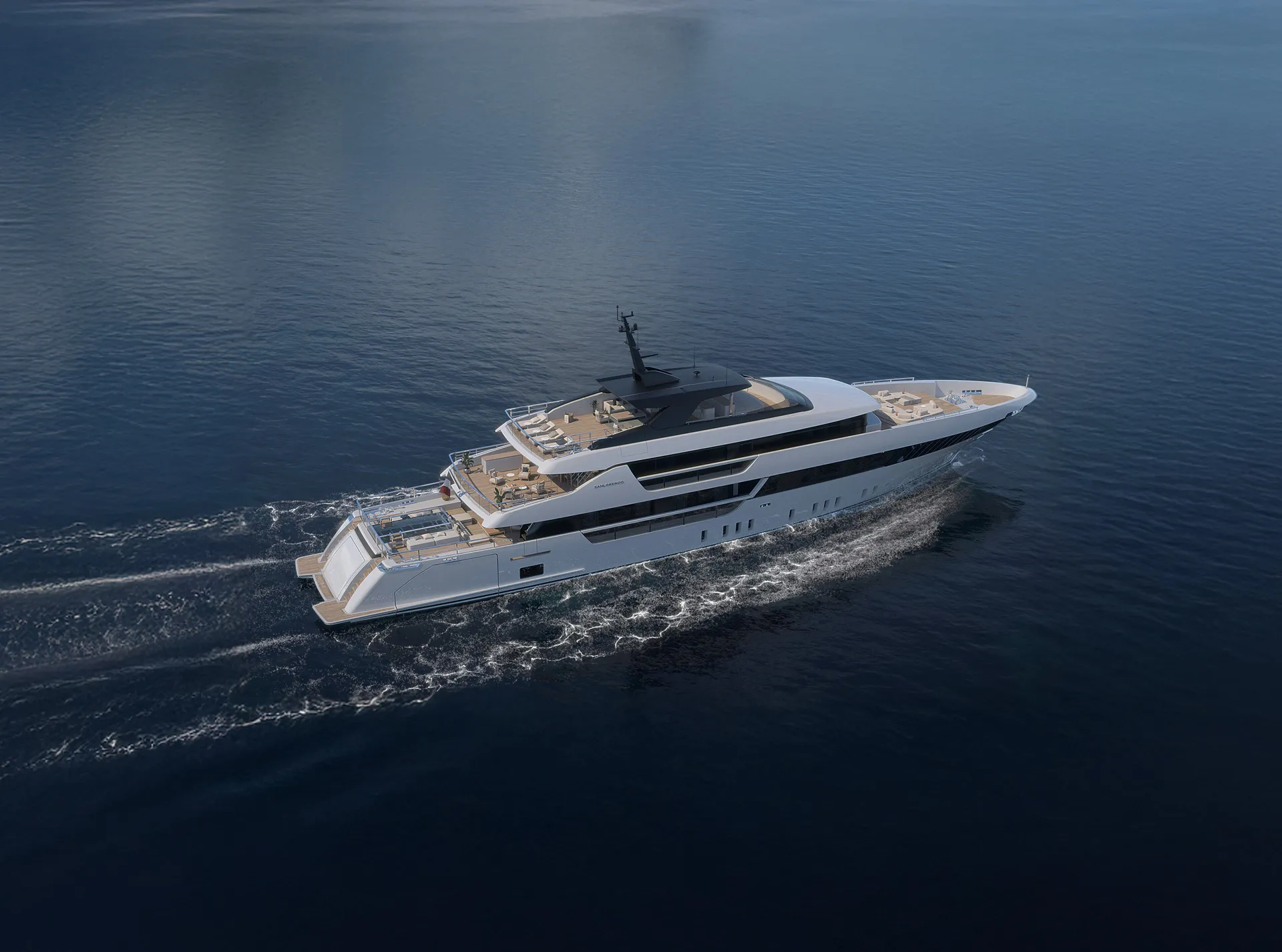
Photos courtesy of Sanlorenzo.
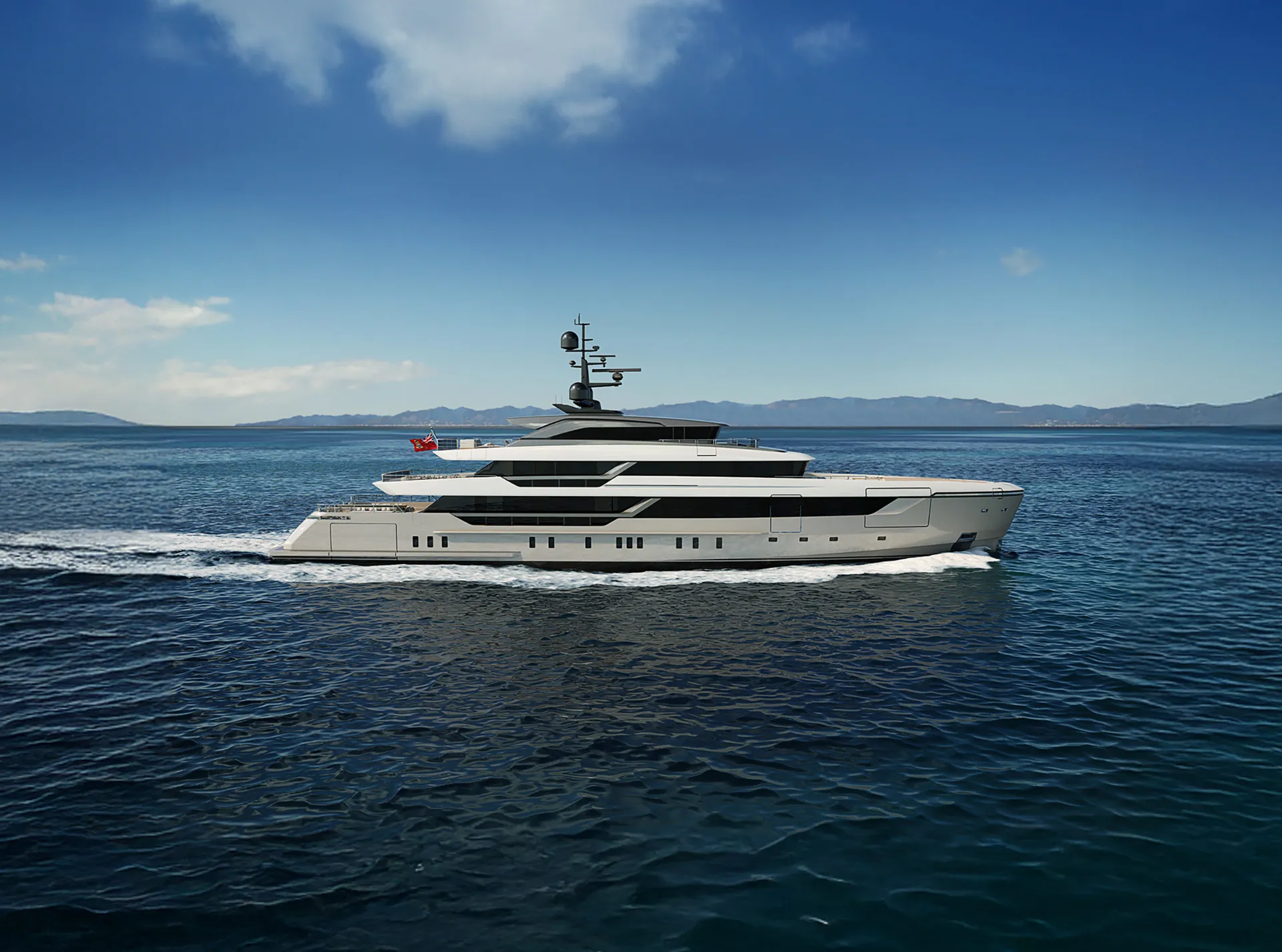
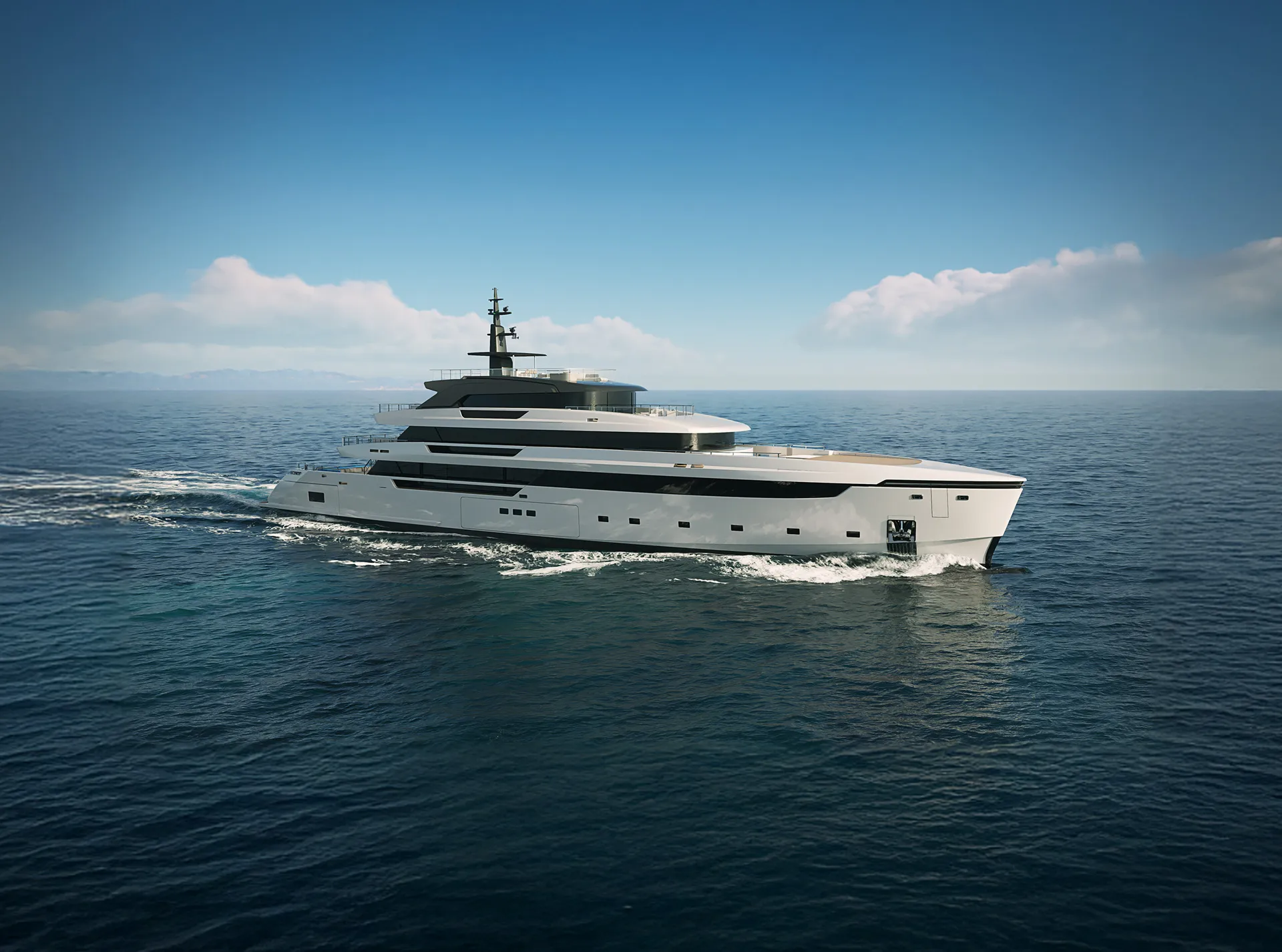
Forward, at the bow. Moving the tender and toy garage to the front of the yacht is the central move of the NEO generation, and it is what frees the entire aft end to become beach club and wellness space instead of a launching area.
That is a real change from the previous 52Steel, which handled tenders aft. If you are comparing a NEO against an earlier hull, this is the difference that reorganises everything else — where guests gather at anchor, where crew work, and what the stern looks like when the boat is open. Sanlorenzo publishes up to twelve guests and nine crew for the NEO, and lists guest and crew numbers rather than cabin counts, so the stateroom arrangement is per hull.
51.6 metres (169 feet 3 inches) length overall, 9 metres (29 feet 6 inches) beam, under 500 GT, twin MAN D2862-LE489s at 1,066 kW each, a 16-knot maximum, 55,000 litres (14,529 US gallons) of fuel, and up to twelve guests with nine crew. Gross tonnage is enclosed volume, not weight.
Draft and observed fuel burn arrive with a specific hull, in its build specification and its sea trial report — the two documents to ask for before comparing this boat against anything else.
Sixteen knots, the published maximum, on twin MAN D2862-LE489s rated 1,066 kW (1,430 hp) each. Fuel is 55,000 litres (14,529 US gallons).
Those figures belong to the current boat, the 52Steel NEO, at 51.6 metres (169 feet 3 inches) on a 9-metre (29 feet 6 inches) beam and under 500 GT. The previous 52Steel was a different yacht — 52.00 metres on Caterpillar 3512C power — so any speed or engine figure quoted for a 52Steel is only useful once you know which generation it belongs to. Sanlorenzo's own 52Steel address now resolves to the NEO.
The 500 GT line is the honest dividing point. The 52Steel is 51.6 metres (169 feet 3 inches) and kept under 500 GT, with up to twelve guests and nine crew. The 64Steel is 64 metres (210 feet) and 1,300 GT with twelve guests and thirteen crew — close to three times the enclosed volume for the same guest count.
That extra volume goes into crew accommodation, machinery and a private owner's deck rather than into more berths. Both are 16-knot steel displacement yachts. So the question is whether you want the operating profile that sits below 500 GT, or a full five-deck flagship with the crew complement to run it. If the guest list is the same either way, the 52Steel is the leaner boat.