
November 26, 2026
Beneteau First 60: Who Needs the Flagship Performance Sailboat
The largest First ever built is a serious sailing boat at 62'2". Here is who it suits, and what it asks of the owner and crew who take it on…
Read the articleExpert Review, Technical Specifications & Market Analysis
| Feature | Specifications |
|---|---|
| Overall Length | 62'2" (18.95 m) |
| Beam | To Confirm |
| Draft | 8'8" - 9'5" (2.63 - 2.88 m) |
| Displacement | 49,105 lbs (22,280 kg) |
| Engines | Max. 150 HP |
| Fuel Capacity | 132 gal (500 L) |
| Water Capacity | 227 gal (860 L) |
| Cabins / Heads | 3 cabins / 3 heads |
Source: Spec & Photos courtesy of Beneteau. Specs verified by Tony Smith, USCG 100 Ton Master, on November 26, 2026.
You want a big boat that still rewards proper sail trim, with room below for owner and guests on long passages. The First 60 takes Beneteau's racer-cruiser line to 62'2".
Part of the Beneteau First series — see how owners step up through the lineup.

"This is the First for the sailor who wants to race on Saturday and still take a party of friends somewhere worth going."
I've walked Beneteau's factories and watched how they run their quality control and handle their resins, and I've spent a lot of time around their boats at the shows in Cannes and Fort Lauderdale. They are a pleasure to work with, power or sail, and as with most Beneteaus you get a lot of boat for the money. What gets my attention on the First 60 is the team. Biscontini Yacht Design drew the hull and Lorenzo Argento did the styling inside and out, the same names Beneteau put on the Oceanis Yacht 60, and here they gave the boat a deck built for people who actually trim.
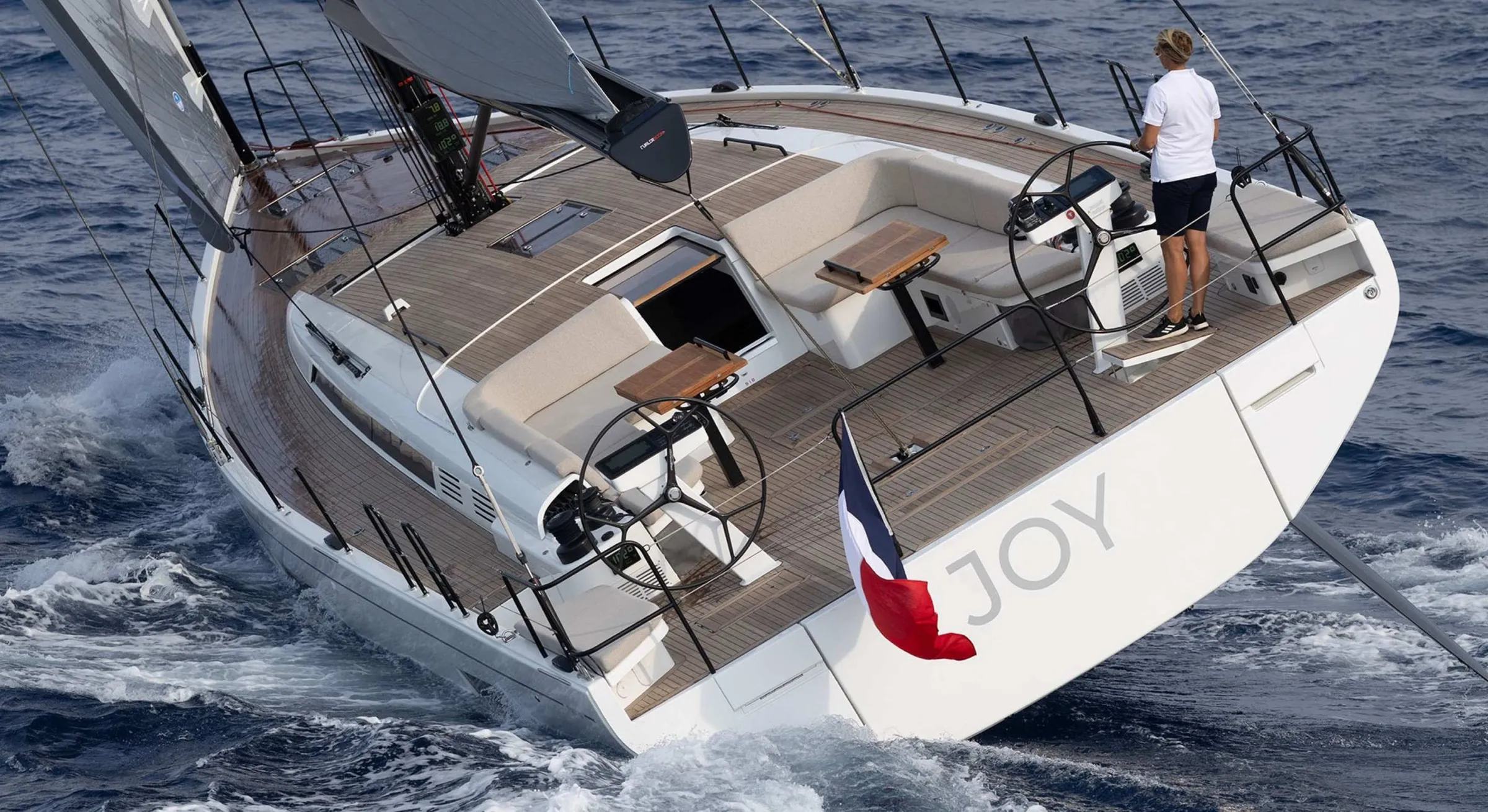
The Winch Island is the detail I'd show a buyer first. Running rigging all comes back to a station you can walk around, the mainsheet has its own captive winch, and the Park Avenue boom takes some of the fight out of the main. On a boat of 49,105 lbs dry, that is the difference between a rig you use and a rig you leave furled.
My caution is simple. This is a lot of boat, so be honest about who will crew it, and check your marina and your bridges before you fall in love. If that all works, Beneteau's service network and global support team are a big part of why I'm comfortable recommending one at this size.
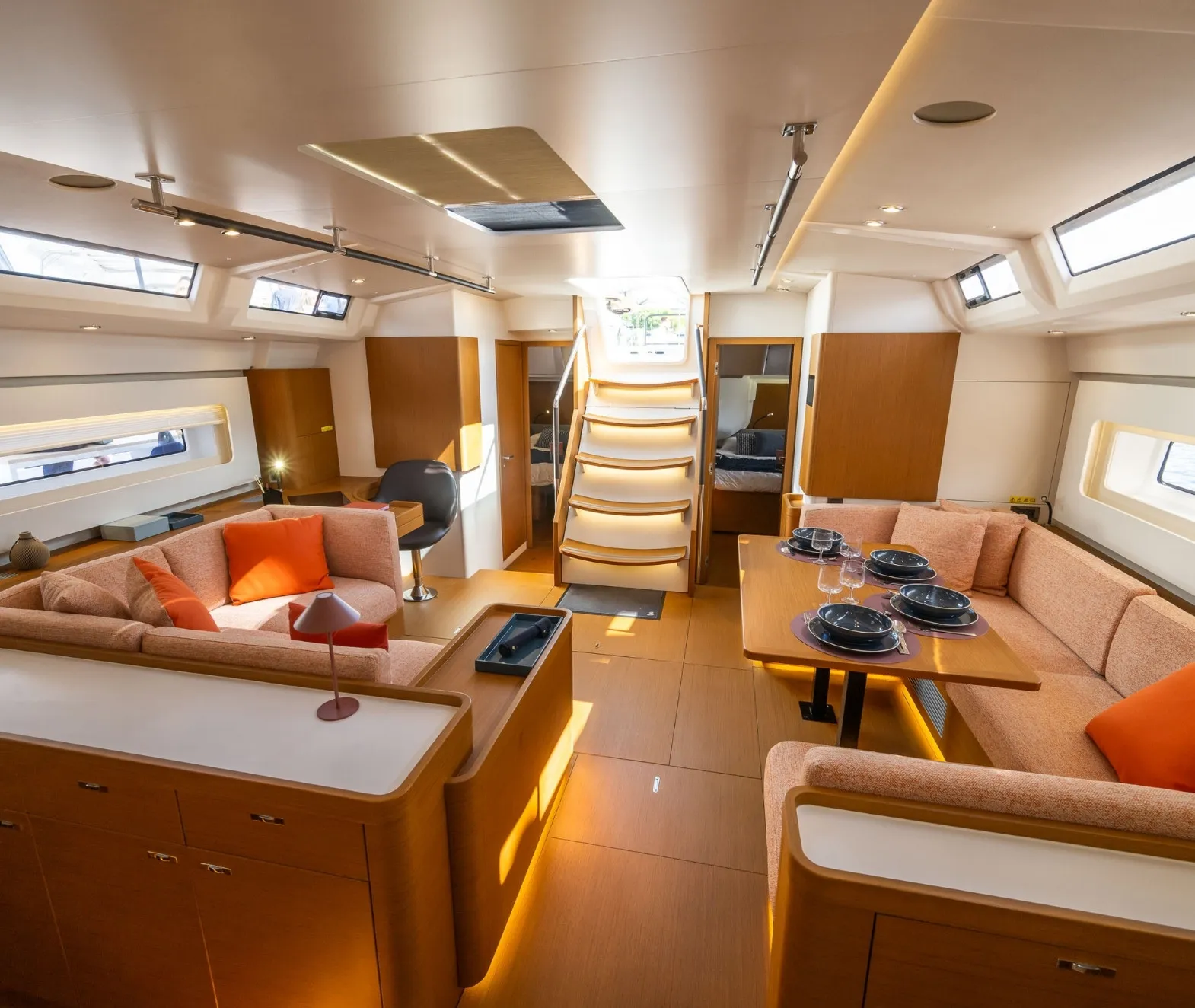
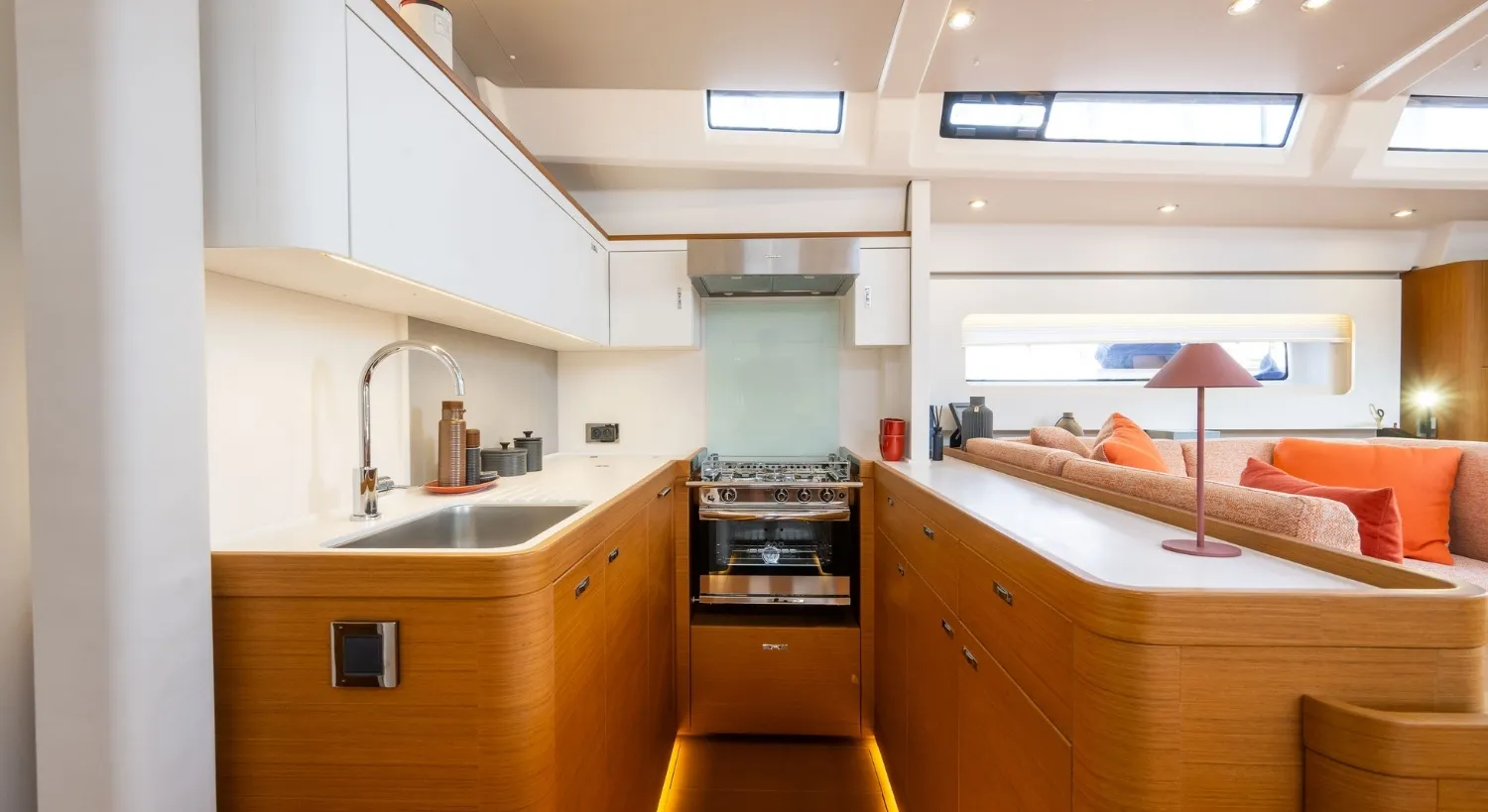
Photos courtesy of Beneteau.
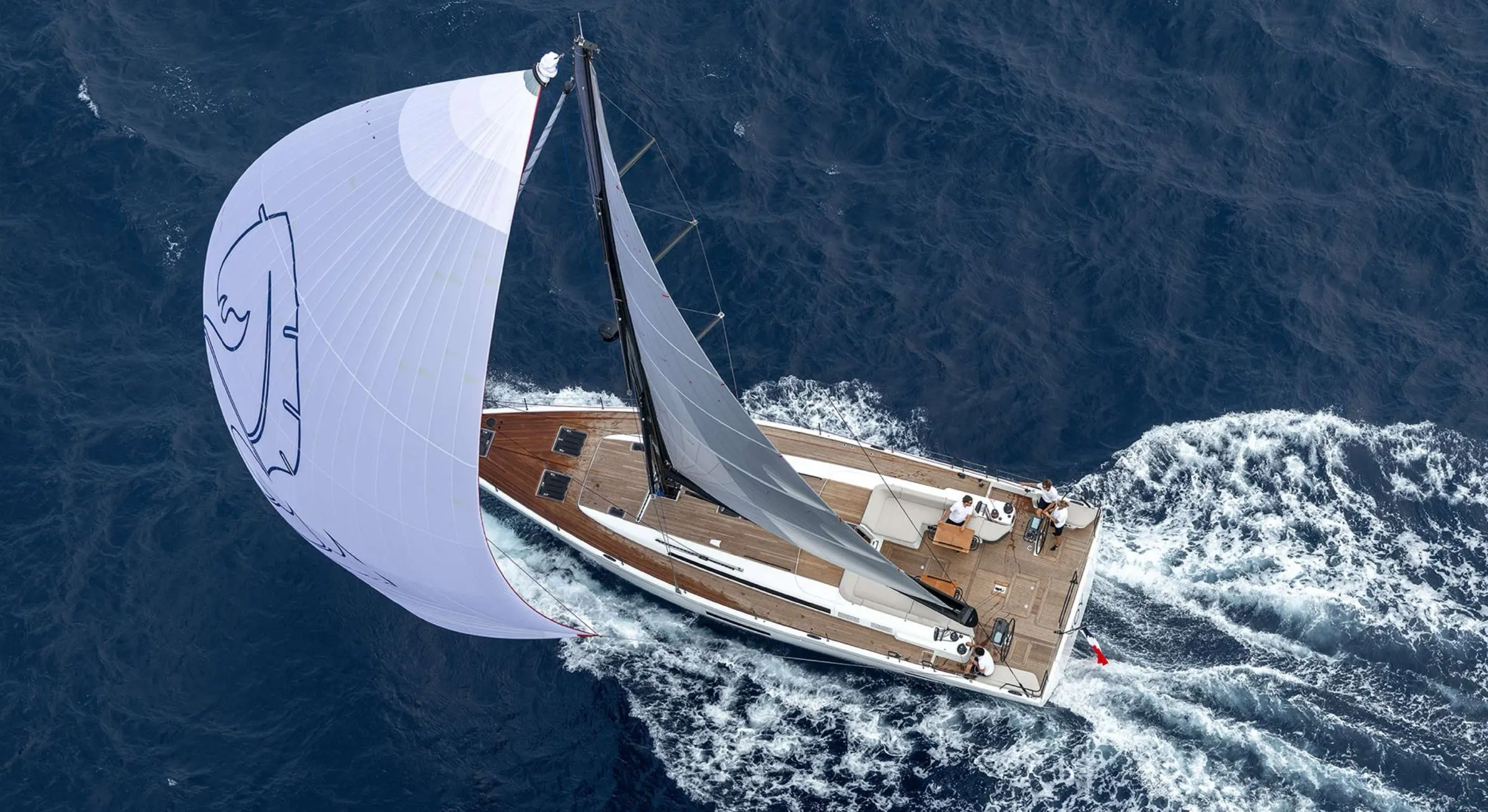
Some sailors outgrow a mid-size racer-cruiser and want more length, more room and more sail, without losing a boat that feels alive on the helm. For them Beneteau built the First 60, which the yard calls the largest First ever built.
The First range carries 40 years of heritage and is aimed at sailors who enjoy club racing as much as cruising. At 62'2" (18.95 m) this boat sits at the top of a line that starts at 14'1". Naval architecture is by Biscontini Yacht Design; Lorenzo Argento handled both the exterior and the interior.
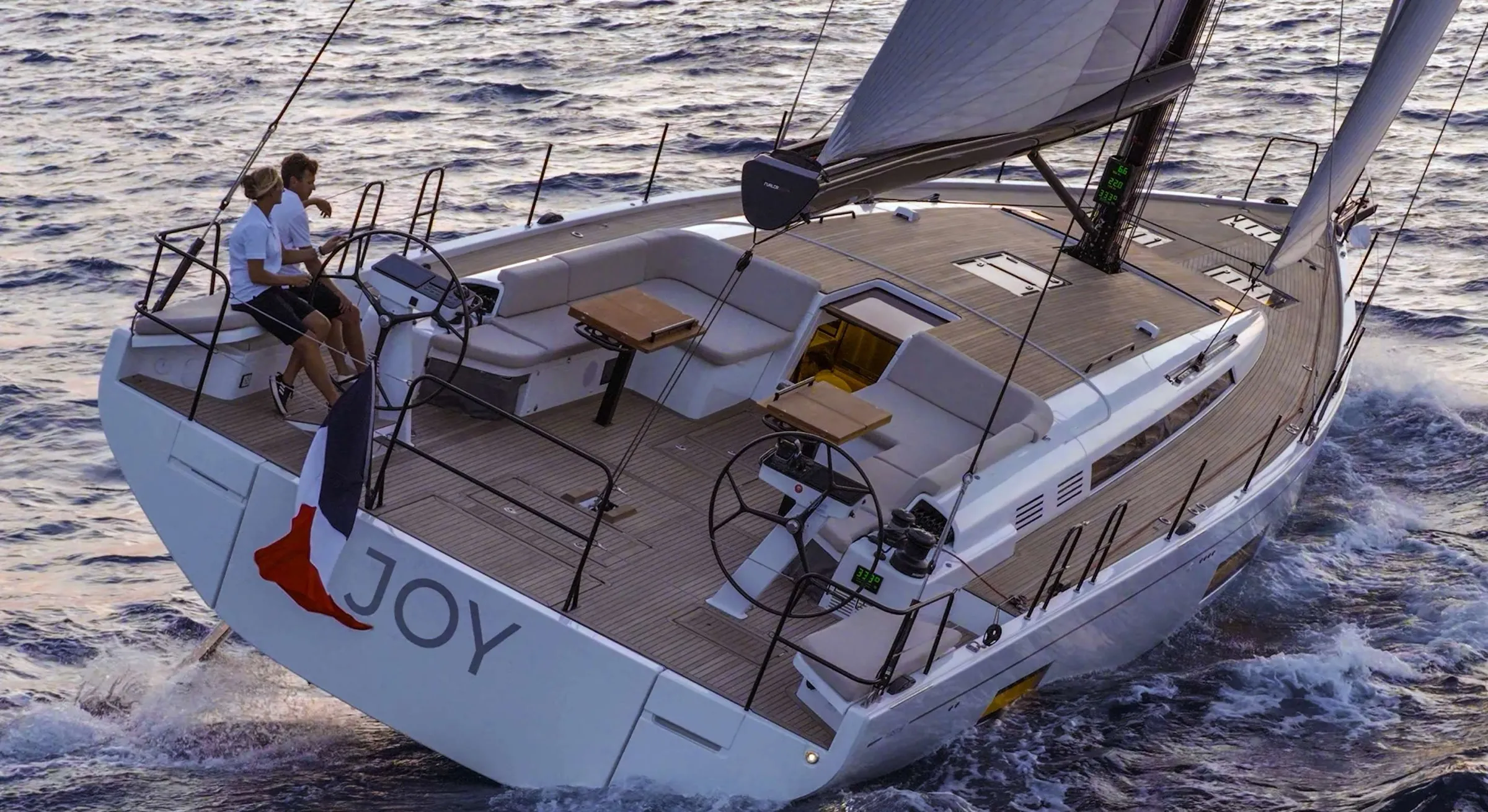
On deck, Beneteau says she is the only yacht in her size range with purpose-built cockpit zones for relaxation, dining and sailing. The point of separating them is plain enough: the people working the boat and the people enjoying it are not sitting on top of each other.
If you buy a First for how it sails, the deck layout matters more here than any single figure. A walk-around Winch Island centralizes all running rigging, the mainsheet gets a captive winch, and the helm ergonomics are adaptive. A Park Avenue boom simplifies hoisting and lowering the mainsail, which on a rig this size is a real help to a short-handed crew at the end of a day.
For motoring and longer trips, Beneteau gives a maximum engine power of 150 HP, with 132 gal (500 L) of fuel and 227 gal (860 L) of fresh water. Dry weight comes to 49,105 lbs (22,280 kg), and the CE certification is A10/B14/C14.
Two figures decide where you can keep and take her. The builder lists draft from a minimum of 8'8" (2.63 m) to a maximum of 9'5" (2.88 m), and bridge clearance at 93'2" (28.41 m). Check both against your home marina and the routes you plan before you settle on a keel.
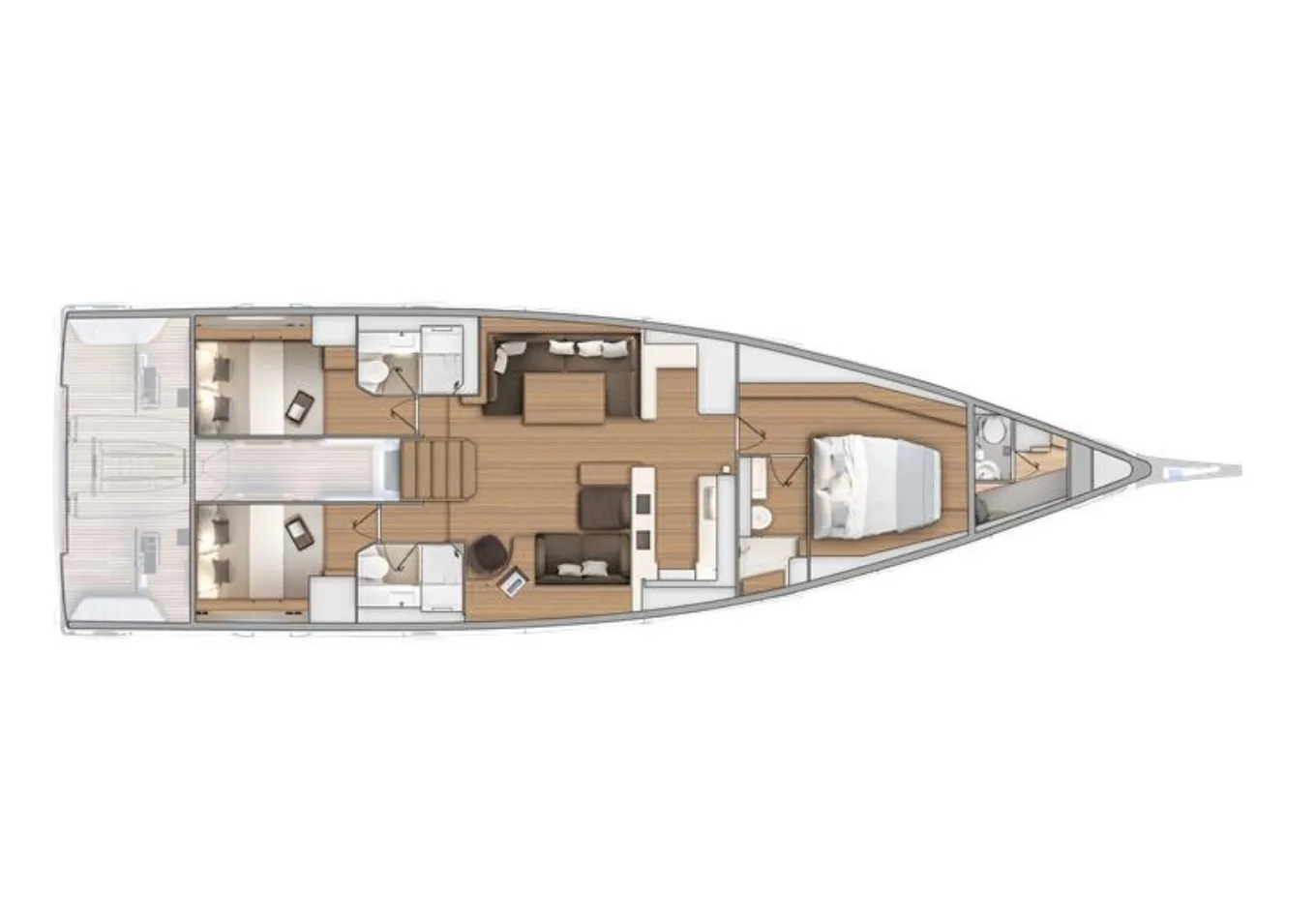
A week away with friends goes better when owner and guests each have a cabin and a head, and the First 60 is laid out with 3 cabins and 3 heads. The owner's cabin has a large walk-around, forward-facing bed.
In the saloon, the dining area faces what Beneteau calls the owner's corner, complete with a generous navigation table and sofa, so the person planning the next leg is not cut off from the table. The galley runs the full beam, with an elongated worktop and integrated storage.
Because Lorenzo Argento designed the interior as well as the exterior, the boat reads as a single piece from cockpit to cabin.
If you are choosing among Beneteau's largest sailboats, the First 60 tops the First line, above the First 53 at 56'2". The step up is mostly size and volume: 49,105 lbs dry against 34,380 lbs, a 150 HP engine maximum against 110 HP, and 132 gal of fuel against 106 gal.
The Oceanis Yacht 60 shares the 62'2" length, the 150 HP maximum and the 132 gal fuel tank, but it belongs to the Oceanis Yacht line, which Beneteau describes as the culmination of its Oceanis cruising philosophy. Beneteau also notes that the First 60 was nominated, with the Oceanis 52, for the 2026 British Yachting Awards.
Buy the First 60 if you race at club level, cruise the rest of the season, and have a capable crew for the days you push. It suits an experienced owner moving up from a smaller First who wants the line's character with more room for guests.
If your sailing is mostly relaxed cruising with family, the Oceanis Yacht 60 gives you the same length with a cruising brief. If you want the First feel in a smaller, lighter hull, look at the First 53.
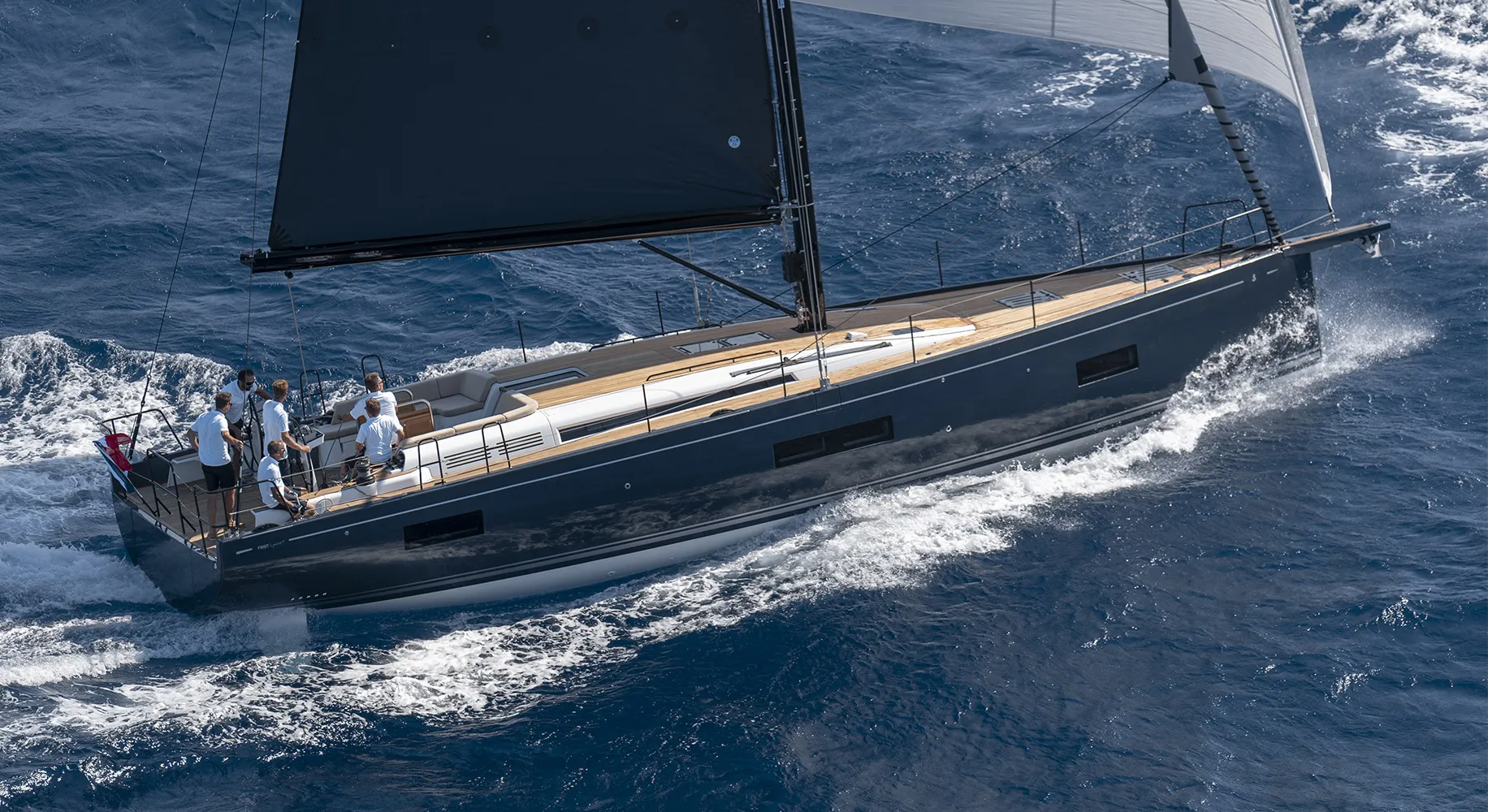
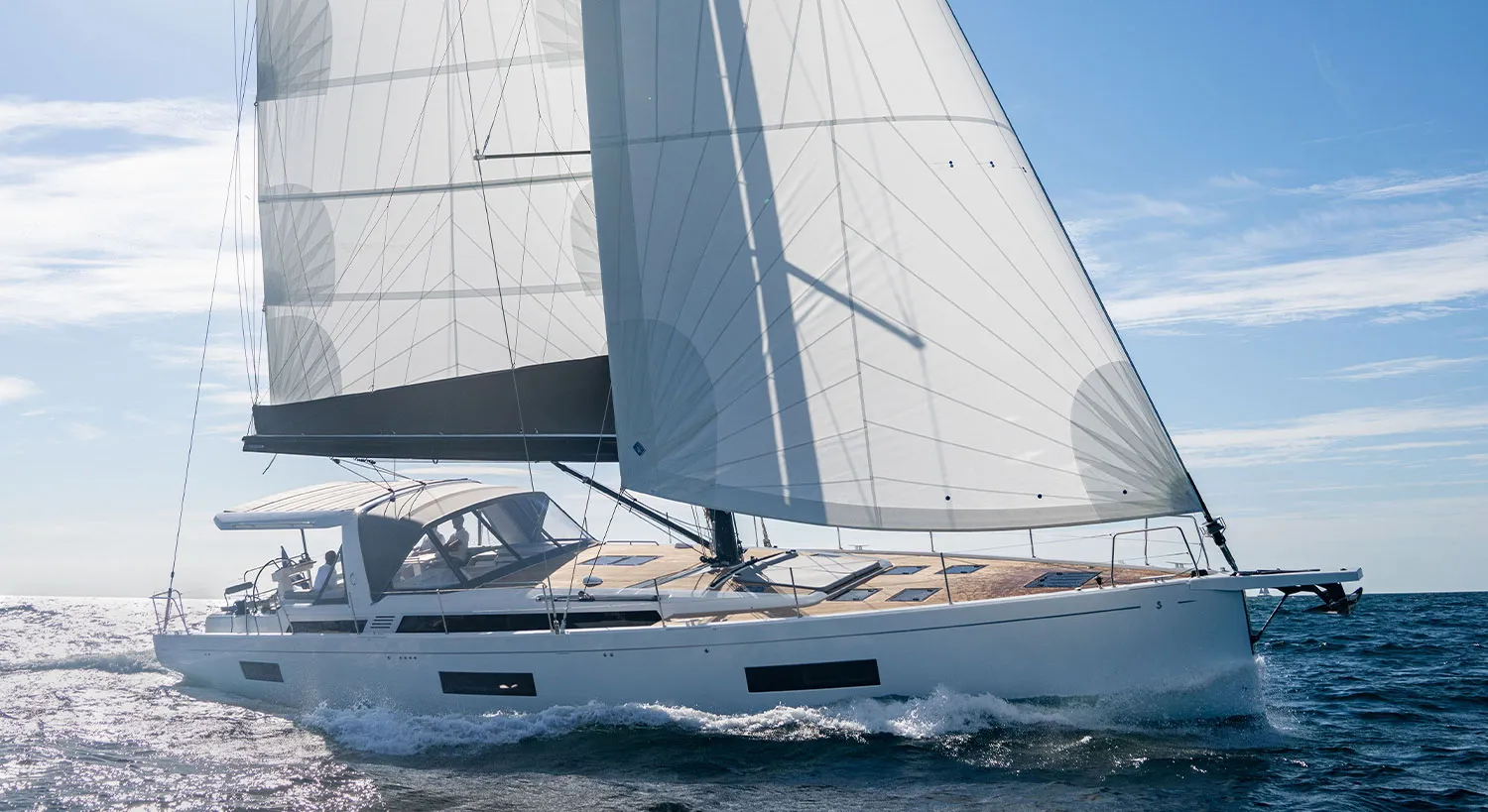
Both boats are 62'2" long with a 150 HP engine maximum and 132 gal of fuel. Choose the First 60 if racing and sail trim are the point of owning the boat; choose the Oceanis Yacht 60, from the line Beneteau calls the culmination of its Oceanis philosophy, if long comfortable cruising comes first.
The First 60 is laid out with 3 cabins and 3 heads for owner and guests. The owner's cabin has a large walk-around, forward-facing bed, and the saloon pairs a dining area with an owner's corner that includes a generous navigation table and sofa. The galley runs the full beam of the boat.
The naval architecture of the First 60 is by Biscontini Yacht Design, and Lorenzo Argento designed both the exterior and the interior. The same naval architect and designer are named on the Oceanis Yacht 60, although that boat belongs to a different Beneteau line with a cruising purpose.
The Beneteau First 60 measures 62'2" (18.95 m) overall and has a dry weight of 49,105 lbs (22,280 kg). Beneteau describes it as the largest First ever built, and it sits at the top of a First range that the builder says runs from 14'1" up to 62'2".
Beneteau gives the First 60 a maximum engine power of 150 HP. Fuel capacity is 132 gal (500 L) and fresh water capacity is 227 gal (860 L), figures sized for a yacht that sails most of its miles. The CE certification listed for the boat is A10/B14/C14.
The First 60 leads all of its running rigging to a walk-around Winch Island, adds a captive mainsheet winch and adaptive helm ergonomics, and uses a Park Avenue boom that simplifies hoisting and lowering the mainsail. The layout is meant to make a large rig manageable for a capable crew.
Beneteau lists the First 60's draft between a minimum of 8'8" (2.63 m) and a maximum of 9'5" (2.88 m), and its bridge clearance at 93'2" (28.41 m). Buyers should check both figures against their home marina and the bridges on their planned routes before choosing a keel.