

November 26, 2026
First 36 SE or First 36: Who Should Buy Beneteau's Racing Edition
The First 36 SE is the First 36 built for ORC racing: lighter, tiller steered, finished in carbon. Here is who should pay for that and who s…
Read the articleExpert Review, Technical Specifications & Market Analysis
| Feature | Specifications |
|---|---|
| Overall Length | 39'4" (11.98 m) |
| Beam | 12'6" (3.8 m) |
| Draft | 6'4" (1.95 m) |
| Displacement | 9,700 lbs (4,400 kg) |
| Engines | Max. 29 HP |
| Fuel Capacity | 18.5 gal (70 L) |
| Water Capacity | 53 gal (200 L) |
| Cabins / Heads | 3 Cabins |
Source: Spec & Photos courtesy of Beneteau. Specs verified by Tony Smith, USCG 100 Ton Master, on November 26, 2026.
For the sailor who wants to win on ORC handicap and still have three cabins below: the First 36 SE takes the planing First 36 lighter, onto a tiller and into race trim.
Part of the Beneteau First series — see how owners step up through the lineup.

"If you are going to race the boat every weekend, buy the version built to race."
I have walked Beneteau's factories and watched how they run quality control and lay up their resins, so construction is the part of this boat I pay attention to first. The SE is fully cored and vacuum-infused through the hull, deck, bulkheads and interior components. Add the carbon parts below and you have a boat Beneteau puts 400 kg under the standard First 36, and on a planing hull I would rather have less weight than more every time.
My honest read is that this is a narrow boat in the market sense, and that is fine. The buyer is a racing owner with a crew who wants a tiller in hand and an ORC certificate in the drawer, and who still wants three cabins for the delivery home. If your sailing is mostly two of you cruising with the odd club race, the standard First 36 is the better buy. Beneteau also gives you a serious service network and dealers around the world, which matters more than people think on a boat that will be pushed hard.
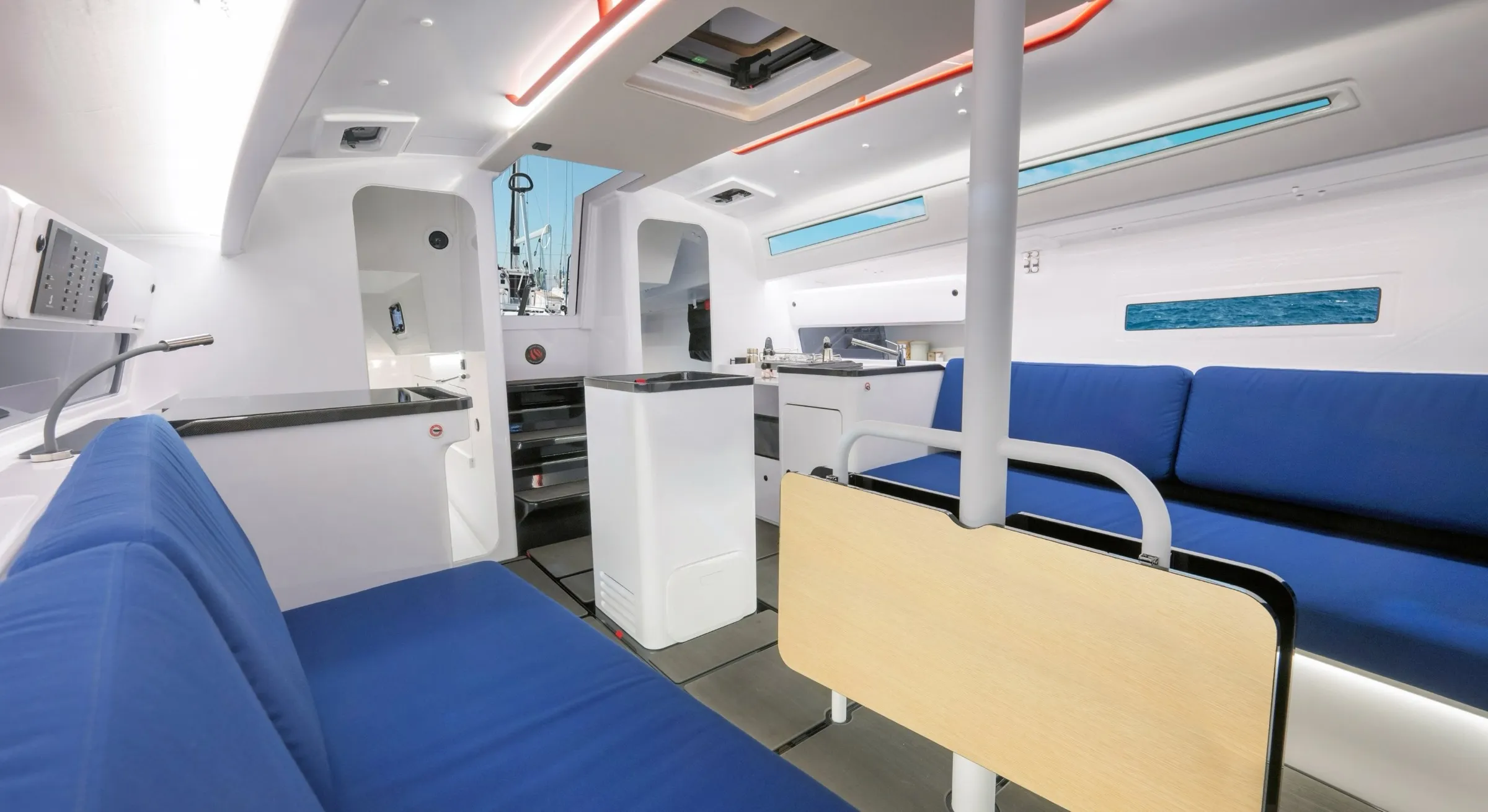
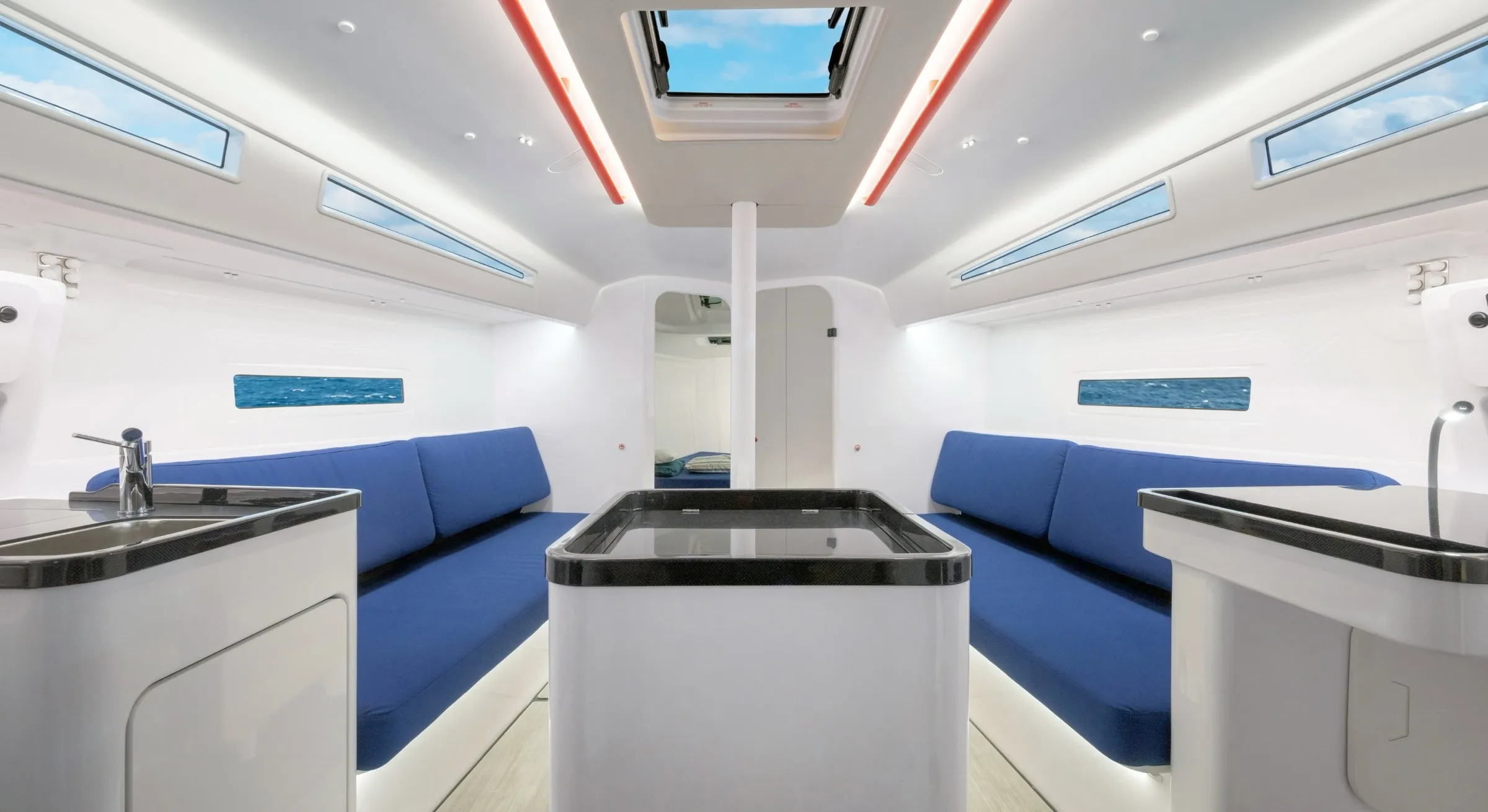
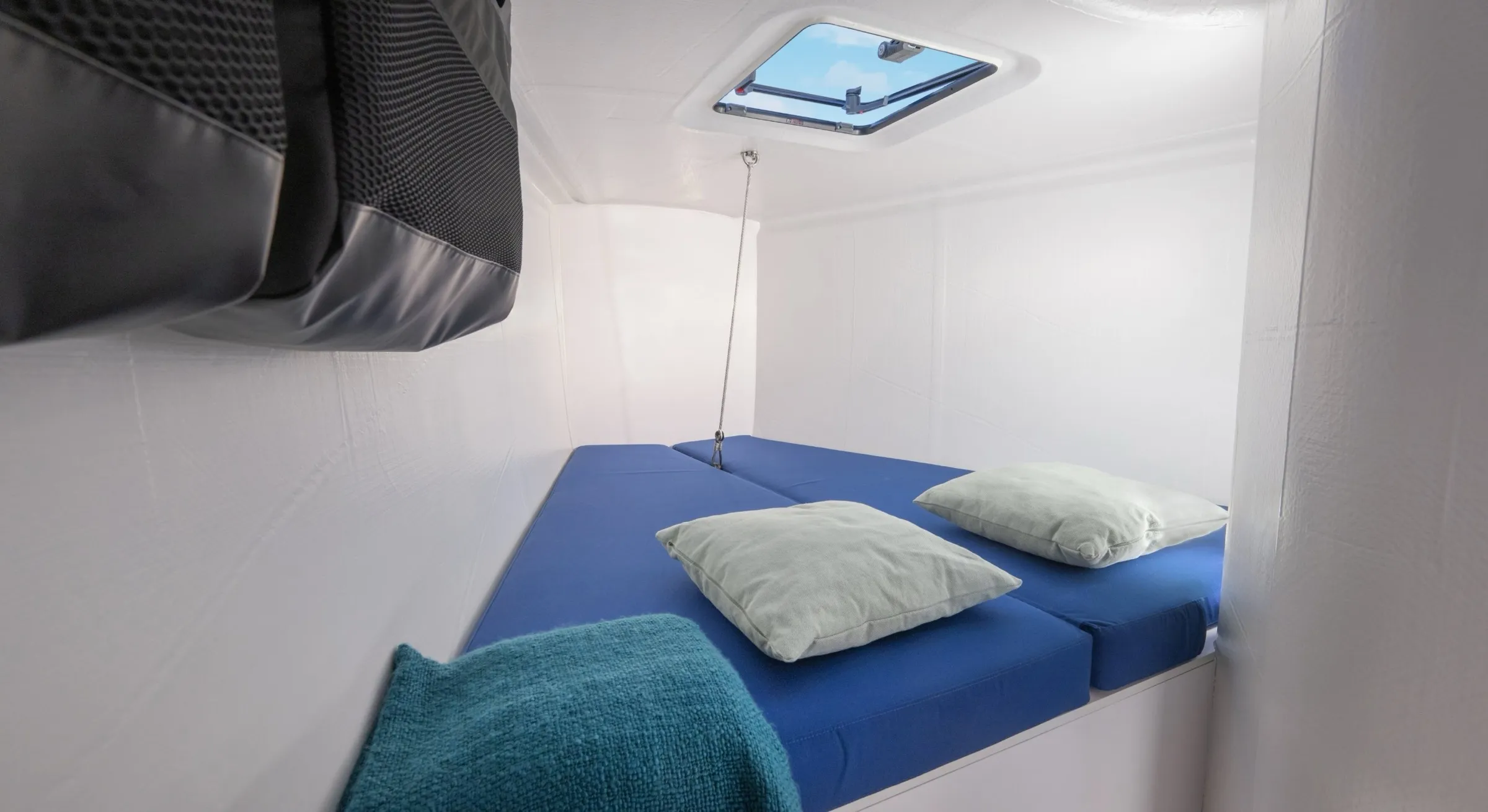
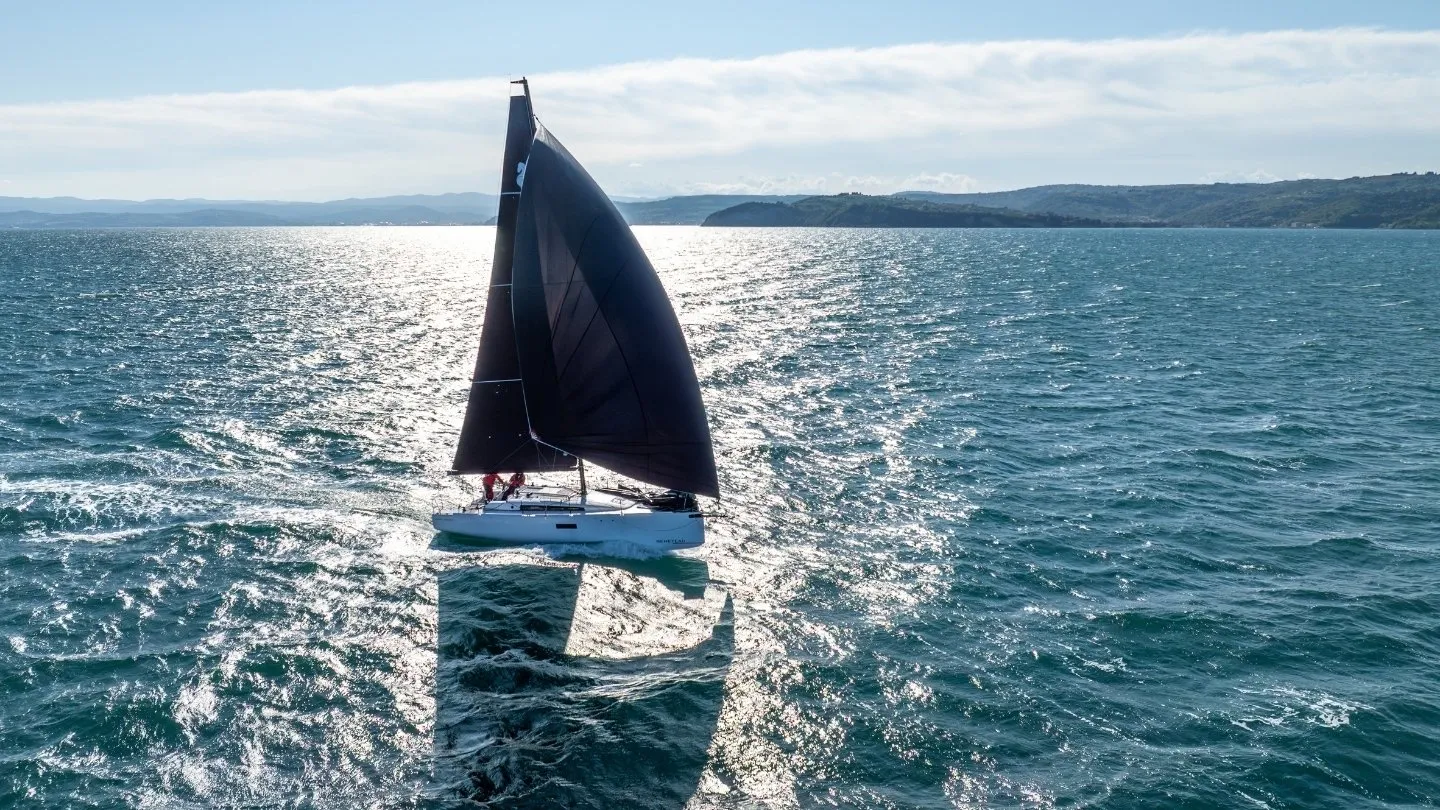
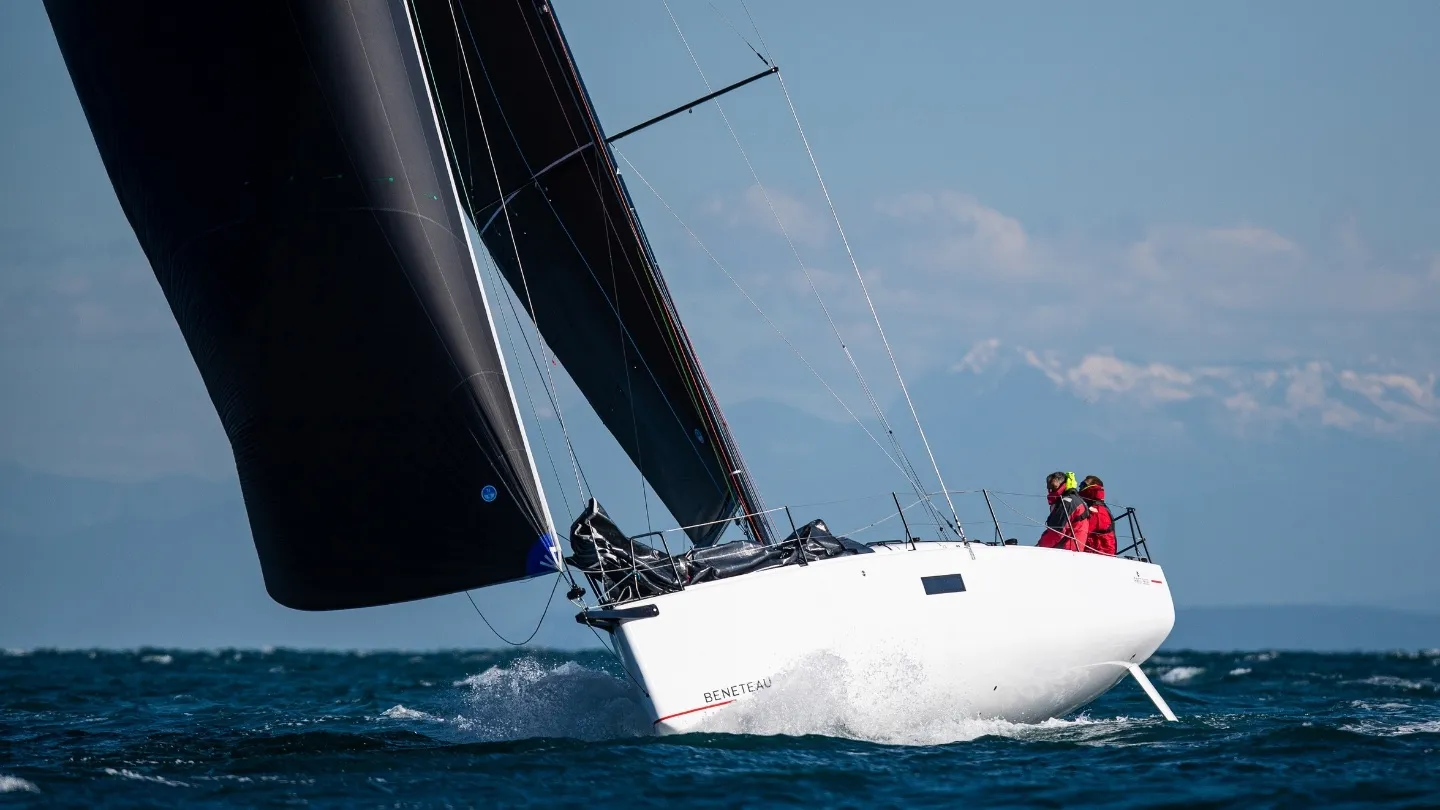
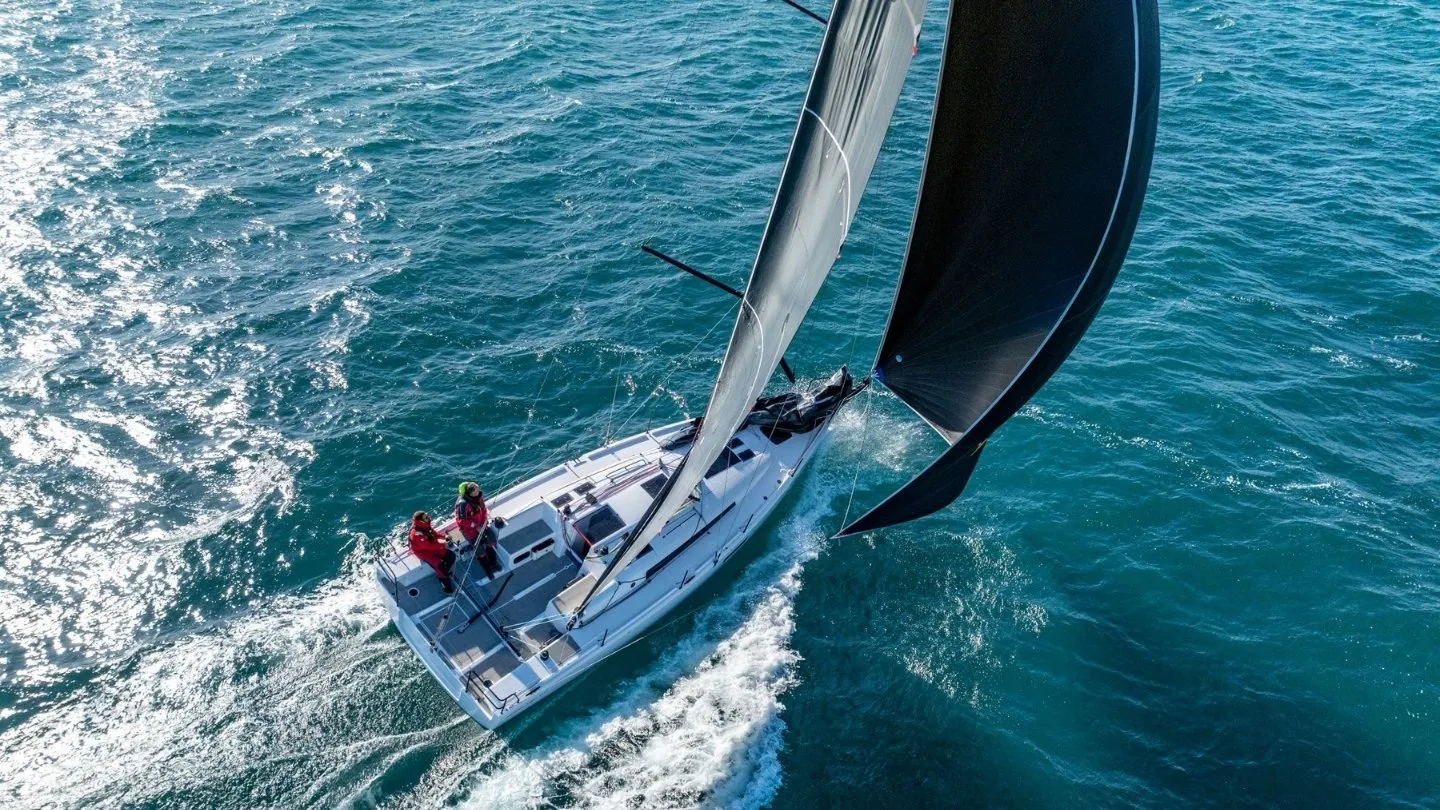
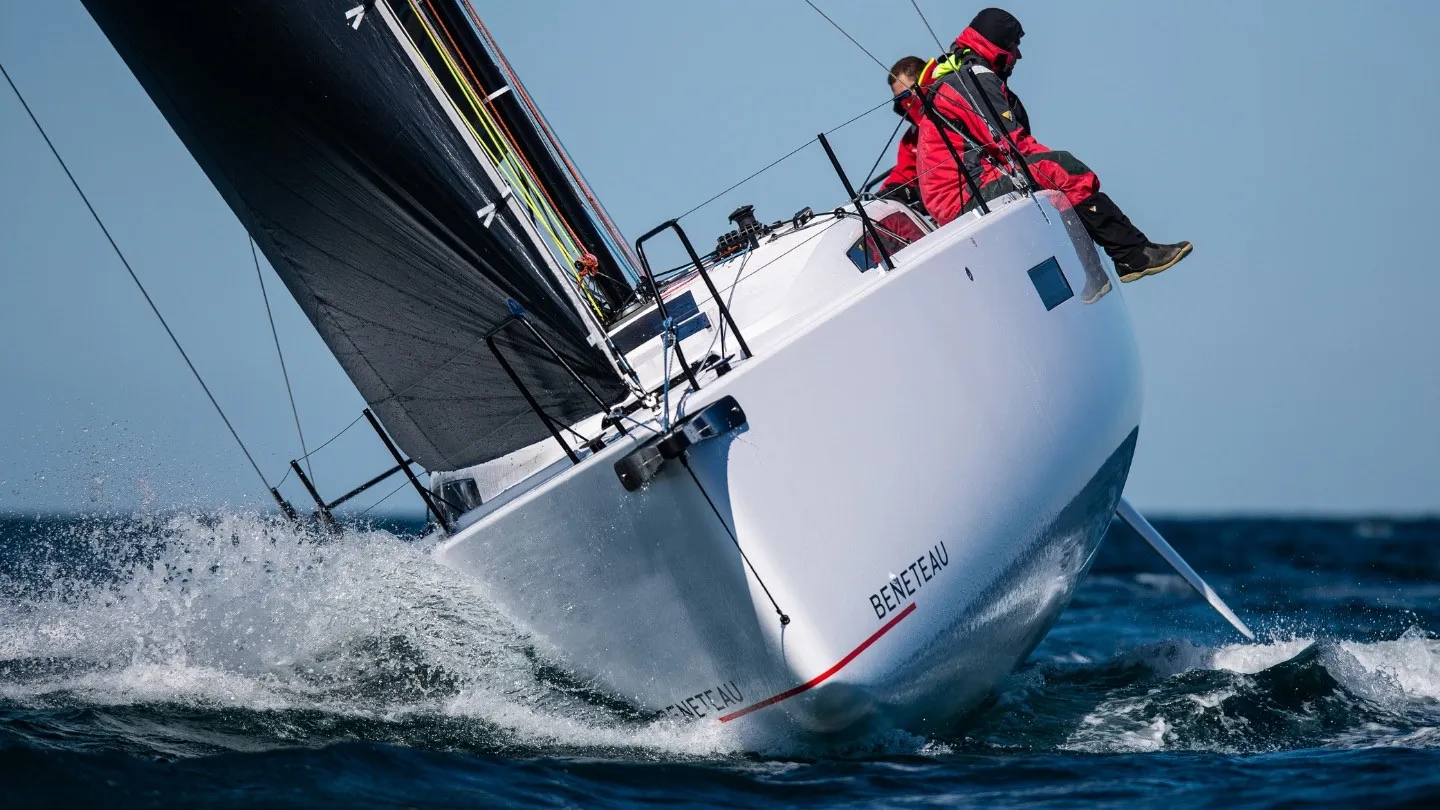
Photos courtesy of Beneteau.
Owners who race under ORC want a boat designed to that rule from the start, and most racer-cruisers are a compromise tilted toward cruising. Beneteau's answer is the First 36 SE, the newest member of its First SE (Seascape Edition) range. It takes the First 36, a planing racer-cruiser, and pushes it toward the racecourse: lighter, with less wetted surface, a tiller instead of wheels and a race-minded interior.
The design team carries over from the First 36. Samuel Manuard is the naval architect, Lorenzo Argento did the design, Pure Design & Engineering handled the structural engineering and Sito the interior. For the SE, Beneteau says Manuard worked with Maurizio Cossutti to maximize the boat's ORC racing potential.
Beneteau lists this boat in its First SE line, which it says builds on the racing heritage of the First, infused with Seascape DNA. On this site it sits with the First series until a second SE model is reviewed here.
Racing sailors measure a boat by what it carries and what it drags, and the SE works on both. It comes in at 9,700 lbs (4,400 kg) dry, 400 kg (881 pounds) lighter than the standard First 36, and Beneteau says the changes cut wetted surface by nearly 3 m2 (32.3 sq ft). The build is fully cored and vacuum-infused through the hull, deck, bulkheads and interior components. Beneteau describes the result as a planing racer optimized for competitive ORC racing.
At the helm you get a tiller in place of the First 36's wheels, and non-skid technical foam underfoot in the cockpit.
The engine is a light auxiliary: the builder gives a maximum engine power of 29 HP, with 18.5 gal (70 L) of fuel and 53 gal (200 L) of water. Beneteau lists a minimum draft of 6'4" (1.95 m) and a bridge clearance of 58'5" (17.8 m), worth checking against your home marina and any fixed bridges on the way to the start line.
A race boat that has to sleep its crew on a regatta weekend and carry the family on a delivery needs real berths, and the SE keeps the First 36's three-cabin layout, saloon and living areas. What changes is the finish. The companionway stairs are carbon, and so are the fiddles that replace the usual wood.
Stowage is built around a racing crew. Removable crew bags take the place of wooden lockers, so gear comes off the boat with the sailor, and lee cloth nets let the off watch sleep under sail.
On deck the cockpit is laid with non-skid technical foam, set up around a tiller for a crew working the boat hard.
Within Beneteau's First SE line, the 36 SE is the largest model: the builder's SE range runs from 14'1" to 39'4", alongside the First 14 SE, First 18 SE and First 24 SE. Beneteau presents those under the First SE heading; on this site the 36 SE is filed with the First series. Beneteau's First line takes in the First 14, First 24, First 30, First 36, First 36 Spirit, First 44, First 53 and First 60; of those, this site reviews the First 30, 36, 44, 53 and 60.
Its closest relative is the First 36, at 36'0" (10.97 m) overall and 10,580 lbs (4,800 kg) dry, which Beneteau optimized for short-handed sailing and fitted with wheels and a full-sized navigation table. The SE is the same idea taken toward the racecourse. A buyer who needs more boat steps up to the First 44, at 48'1" overall.
Buy the First 36 SE if you race under ORC with a regular crew, want a tiller and a boat built light from the laminate up, and still want three cabins for regatta weekends and deliveries.
If you sail mostly as a couple, cruise more than you race or want a wheel and a cabin finished in wood, the standard First 36 is the better fit. If you want more length and volume, look at the First 44.
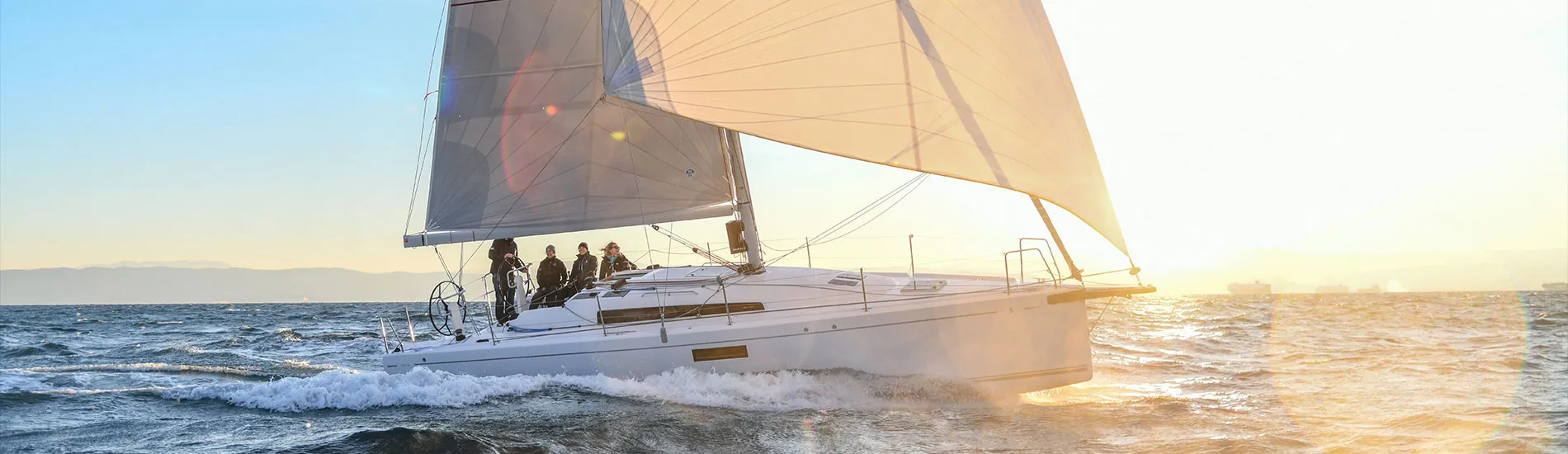
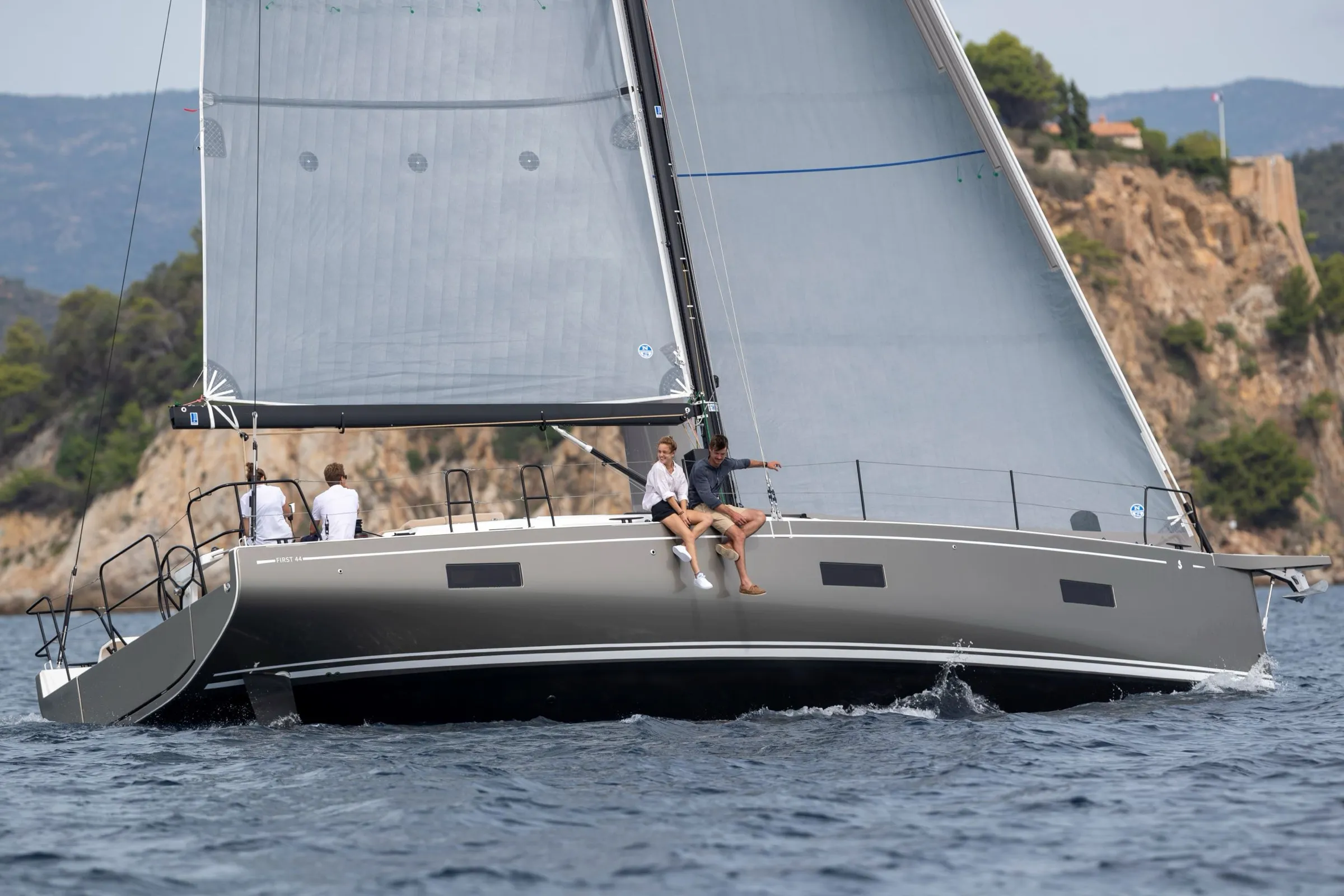
The First 36 SE is steered with a tiller. Beneteau replaced the First 36's steering wheels with a tiller on the SE and laid non-skid technical foam in the cockpit, setting the boat up for a crew that races it. Buyers who want a wheel should look at the standard First 36.
Beneteau gives a dry weight of 9,700 lbs (4,400 kg) for the First 36 SE. That is 400 kg (881 pounds) less than the standard First 36. The SE is fully cored and vacuum-infused through the hull, deck, bulkheads and interior components, and uses carbon companionway stairs and fiddles.
The First 36 SE is the racing edition of the First 36, engineered to maximize its ORC potential. It is 400 kg (881 pounds) lighter, with nearly 3 m2 less wetted surface, a fully cored vacuum-infused build and a tiller in place of the wheels. It keeps the three-cabin layout. Below, carbon stairs, carbon fiddles and crew bags replace wood.
The First 36 SE keeps the three-cabin layout of the First 36, along with its saloon and living areas. The finish is race-focused: removable crew bags take the place of wooden lockers, lee cloth nets let the crew sleep under sail, and the companionway stairs and fiddles are carbon.
Beneteau gives a maximum engine power of 29 HP for the First 36 SE, with a fuel capacity of 18.5 gal (70 L) and a water capacity of 53 gal (200 L). It is a light auxiliary on a boat designed to sail.
Samuel Manuard is the naval architect of the First 36 SE, and Beneteau says he worked with Maurizio Cossutti to maximize its ORC racing potential. Lorenzo Argento did the design, Pure Design & Engineering the structural engineering, and Sito the interior design.